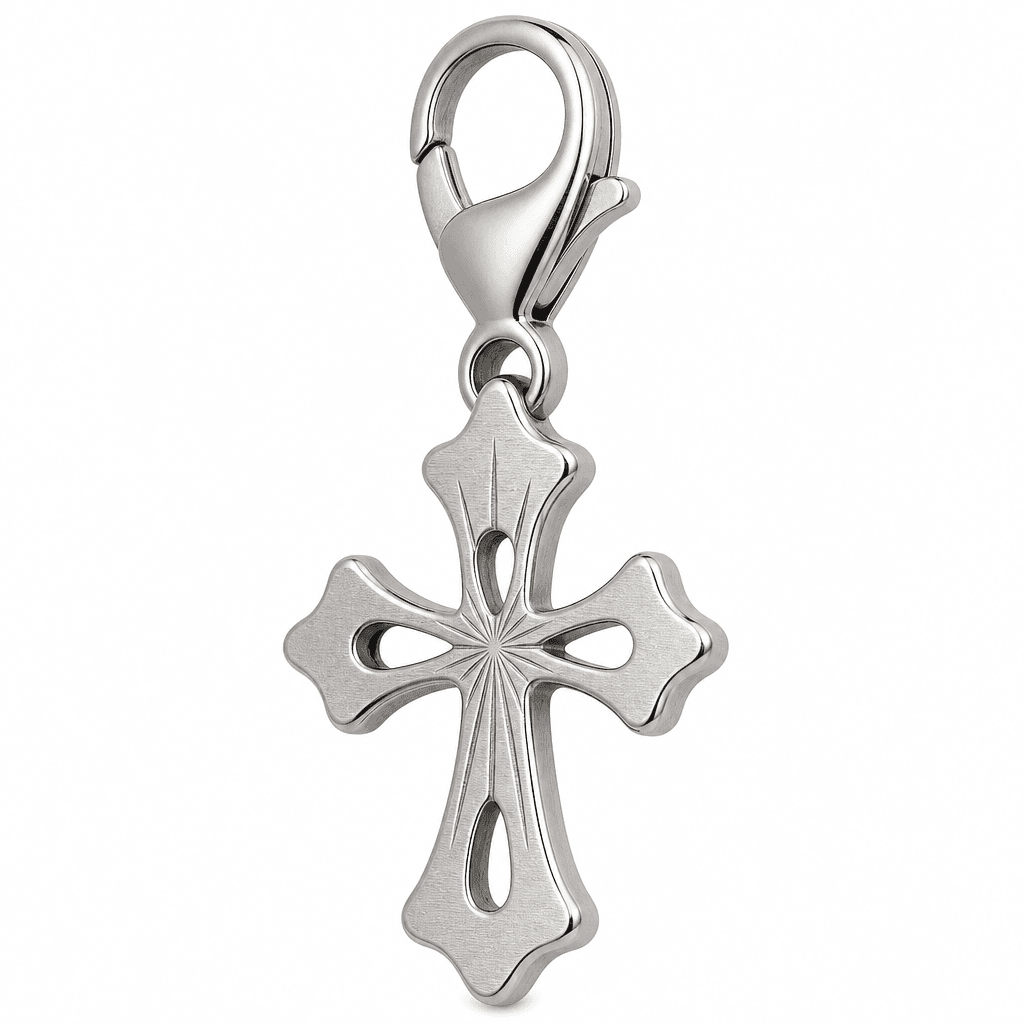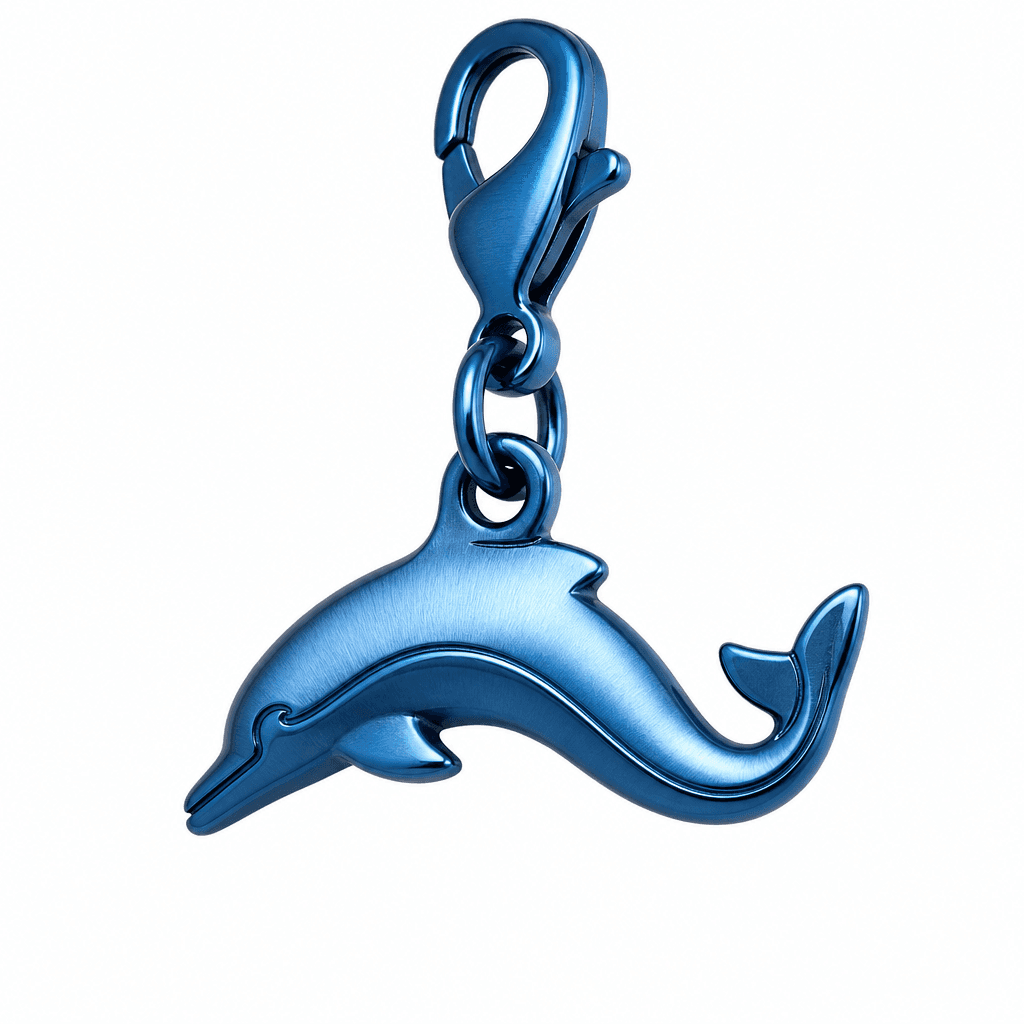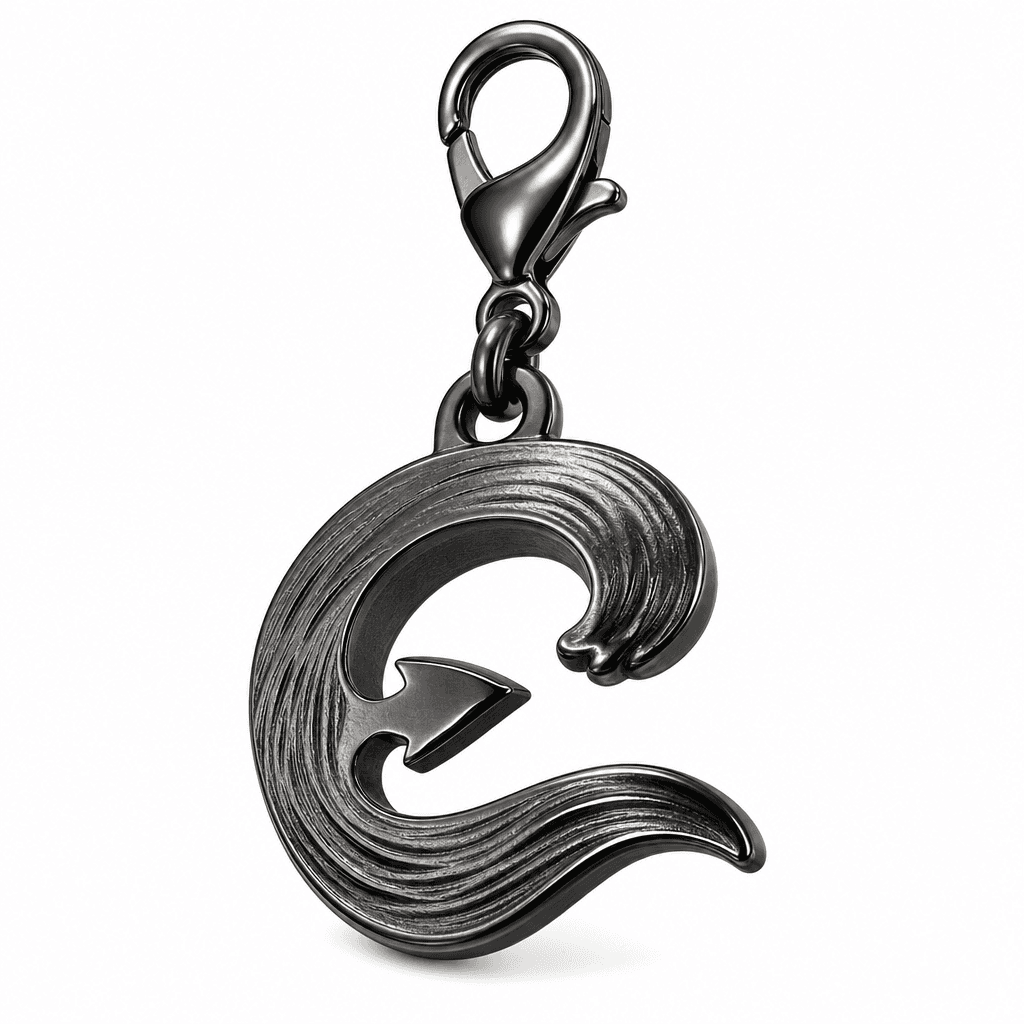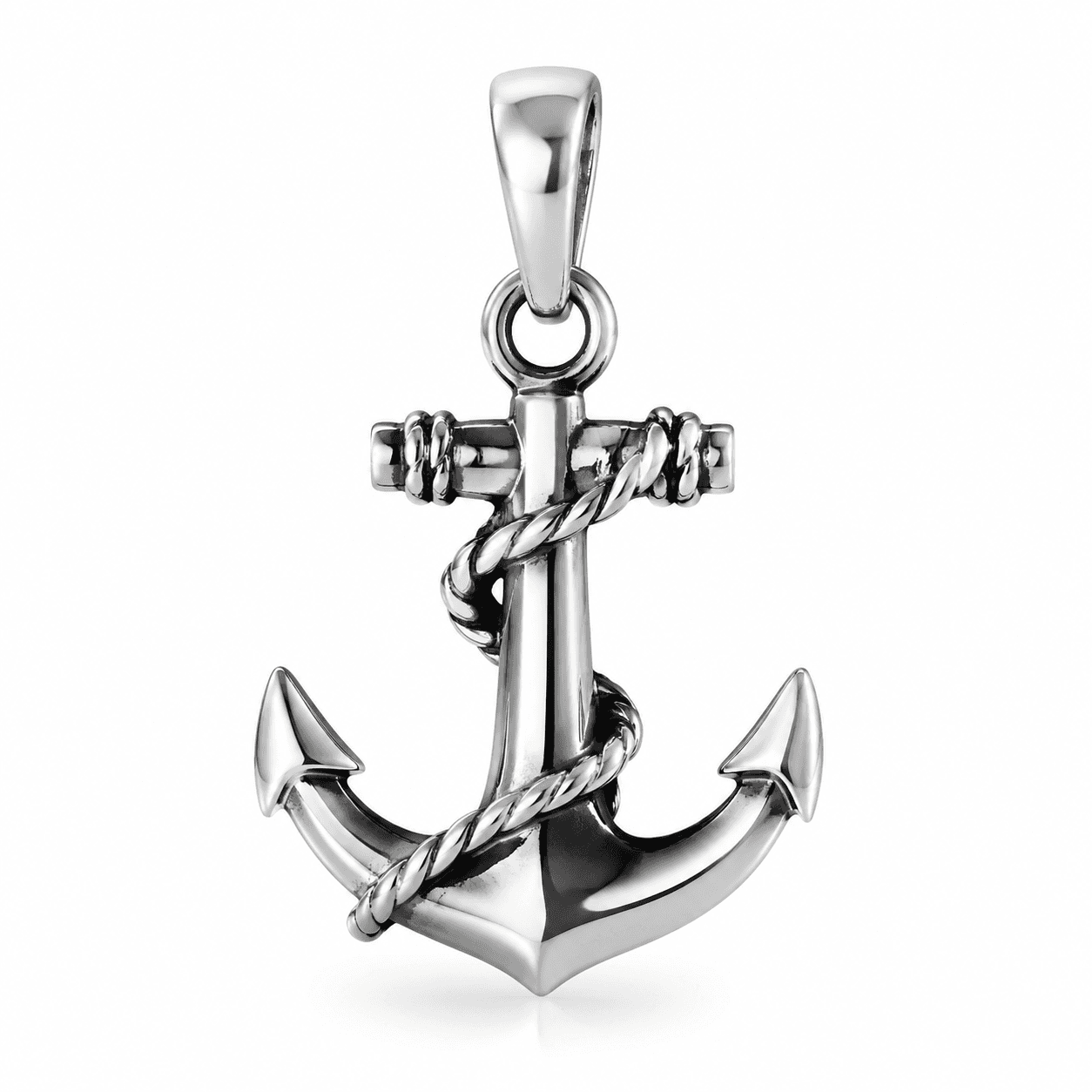
Wax casting vs die casting are two foundational methods for producing 316L stainless steel charms. This comparison is designed for jewelry designers who navigate customization, prototyping, and production planning within a factory-direct supply chain. As a leading 316L stainless steel charms manufacturer, Lancy Jewelry supports OEM/ODM development, logo engraving, PVD plating, enamel color filling, crystal inlay, and private-label packaging, with low MOQ options and robust sample development. The goal is to equip design teams with practical criteria to choose the process that best fits design complexity, cost targets, and time to market, without compromising plating consistency or boutique-ready finish quality. For prototyping and private-label programs, explore OEM service and sample development pathways to accelerate your project from concept to production.
In this evergreen guide, we break down process characteristics, tolerances, finishing options, and production considerations critical to 316L stainless steel charm design. We emphasize SGS-aligned factory capabilities, RoHS and REACH compliance, EN1811 corrosion testing, and Salt Spray durability to ensure quality across US, EU, UK, AU, CA, DE, FR, ES, RU markets. Our approach centers on practical decision-making for designers and sourcing managers who manage private-label partnerships, wholesale programs, and low-volume launches with consistent plating quality and flexible packaging options.
Throughout, you will find clear criteria, data-driven insights, and actionable next steps. Should you need deeper collaboration, our OEM/ODM services are designed to accommodate logo engraving, enamel color filling, crystal setting, and private-label packaging, all aligned with your target MOQs and sample development timelines. For fast paths to production, contact our team via the OEM service page or Request a Quote to start a structured discussion with Lancy Jewelry.
Wax casting vs die casting: a designer’s decision guide for 316L stainless steel charms
Section 1 introduces the core decision: wax casting (investment casting) versus die casting for 316L stainless steel charms. For jewelry designers, this choice affects detail reproduction, surface texture, and feasibility of private-label finishes. Wax casting is renowned for capturing fine detail, intricate cuts, and delicate filigree in 316L stainless steel. It uses a wax pattern that is invested in ceramic shell, burnt out, and replaced by molten steel. This method is well-suited for bespoke shapes, enamel color filling, and crystal inlay where complex geometry must survive the molding process. As a 316L stainless steel charms manufacturer, Lancy Jewelry regularly supports logo engraving and PVD plating on investment-cast cores, with private-label packaging and a low MOQ, making prototyping and small-batch runs practical for boutique brands and gift programs. For designers aiming at detailed motifs and high finish standards, wax casting remains a reliable path with predictable post-casting finishing.
Die casting, by contrast, uses high-pressure injection of molten metal into a steel mold. For 316L stainless steel charms, die casting can offer high production throughput and tighter weight control at scale, but tooling costs are higher and lead times extend during initial setup. It’s important to note that stainless steel die casting requires specialized equipment and process controls, which can influence unit costs for low MOQs. Designers considering private-label packaging, embroidery-free engravable logos, or two-tone finishes should weigh whether the volume justifies the tooling investment, or if a low-MOQ wax-casting approach paired with post-casting finishing like PVD plating and enamel filling better aligns with budget and timing. Lancy Jewelry’s capabilities include OEM/ODM development, sample development, and robust plating options to ensure uniform results across both processes.
In practice, the decision often hinges on design complexity, finish requirements, and schedule. For example, complex motifs with enamel and crystal inlays are often more efficiently realized via wax casting, while large-volume programs with consistent geometries may gravitate toward die casting for cost efficiency. Our factory supports RoHS and REACH compliance, EN1811 corrosion testing, and Salt Spray durability to guarantee stable performance across markets. If you are exploring private-label programs, you can start with the OEM service page and request a quote to discuss process options, MOQs, and sample timelines. Our team can align your design brief with the most suitable manufacturing route and provide early prototypes for evaluation.
Comparison table: Wax casting vs die casting for 316L stainless steel charms
Section 2 presents a structured, table-driven comparison to help jewelry designers quickly assess wax casting and die casting side by side. In the table, you will see process characteristics, typical cost implications, finish compatibility, tolerance ranges, lead times, and private-label capabilities. This format supports a practical decision helper for 316L stainless steel charms that will be used as jewelry charms, key ring charms, or bag charms in boutique programs. The table is followed by brief notes on how Lancy Jewelry supports OEM/ODM, custom logo engraving, PVD plating, enamel filling, and private-label packaging, with low MOQ options to accelerate sample development and small-batch orders. For designers seeking a reliable partner, Lancy acts as a B2B accessory supplier with a dedicated charm factory capable of handling sample development and bulk charm orders while maintaining consistent plating quality and packaging standards.
Table: Wax Casting vs Die Casting for 316L Stainless Steel Charms
| Aspect | Wax Casting (Investment Casting) | Die Casting |
|---|---|---|
| Process | Wax pattern dipped in ceramic shell, melted out, molten steel poured in. | Molten metal injected into a steel mold under high pressure. |
| Detail & Filigree | Excellent for fine lines and complex geometry; high fidelity with post-casting cleanup. | Good for simple to moderately complex shapes; fine features may require design adjustments. |
| Surface Finish | Rougher baseline finish; post-polish, plating, enamel possible to achieve boutique look. | Even surface; tends to require less manual finishing but may need mold-quality calibration. |
| Tolerances | Moderate tolerance due to shelling and wax patterns; suitable for finishing tolerances with post-processing. | Tighter tolerances at scale; consistent wall thickness possible with proper mold design. |
| Tooling Cost | Lower initial tooling costs; suitable for low MOQ and prototyping. | Higher tooling cost; economical at high volumes. |
| Lead Time | Faster setup for small runs; flexible scheduling for samples. | Longer lead times at start due to complex molds; optimized for large runs. |
| Finish Options | PVD plating, enamel, crystal inlay; strong compatibility with private-label packaging. | |
| MOQ & Private Label | Low MOQ support; ideal for private-label programs with OEM/ODM services. | High-volume capable; suited for wholesale stainless steel charms with standardized finishes. |
| Recommended Use | Complex, detailed motifs; prototyping; boutique private-label launches. | Higher-volume programs; simple to moderate designs; cost-efficient mass production. |
Notes: This comparison reflects typical industry practice for 316L stainless steel charms and the capabilities of a dedicated charm factory. While wax casting dominates boutique and private-label prototyping, die casting remains a viable path for scalable projects where geometry allows. Lancy Jewelry supports both approaches through its OEM/ODM services and sample development, ensuring a smooth transition from concept to finished product. For inquiries, consider the OEM service page or request a quote to discuss process options, MOQs, and timelines.
Detailed analysis: wax casting versus die casting for 316L stainless steel charms
Section 3 delves into the detailed analysis of each option, providing practical design considerations, process implications, and finish strategies for 316L stainless steel charms.
Wax Casting: Detailed Design and Production Considerations
Wax casting excels at intricate shapes with delicate internal details. Designers can push filigree, fine teeth, and internal voids that would be challenging in other processes. The wax pattern preserves geometry before shelling, allowing for generous tolerance allowances that can be corrected in the final piece through polishing and precise PVD plating. When designing for wax casting, you should consider gate placement and venting to minimize wax pattern defects and ensure smooth mold release. For boutique brands and private-label programs, this method aligns with low MOQ production, rapid sample development, and the ability to engrave logos on the base 316L stainless steel once cast. Lancy Jewelry provides logo engraving, crystal setting, enamel filling, and privacy-label packaging to complement wax-cast parts, with consistent plating quality across batches.
Die Casting: Considerations for Mass Production Die casting can achieve high-volume output and tighter tolerances when the design is suited to a mold. For 316L stainless steel charms, die casting requires careful mold design to minimize porosity and shrinkage and may demand post-mold heat treatment to achieve uniform hardness and finish. The process is advantageous when your program emphasizes wholesale orders and a uniform footprint, but the upfront tooling cost and longer initial lead times must be weighed against the overall cost per unit at target volumes. Lancy Jewelry’s private-label packaging and enamel/crystal options can be integrated with die-cast cores, and we offer sample development to validate geometry, weight, and finish. All production complies with RoHS, REACH, EN1811, and Salt Spray, ensuring reliability for global markets.
Finish and Post-Processing Regardless of the method, 316L stainless steel charms respond well to PVD plating in gold, rose gold, or silver tones; enamel filling can bring color accents, while crystal inlays add sparkle. Consistency is critical, so we emphasize controlled plating cycles, chemical compatibility, and process traceability. For private-label buyers, our factory-direct workflows ensure repeatable plating quality and packaging standards, with low MOQ options and robust sample development to support early-stage testing before full-scale production. If you’re exploring prototype-proofing, we invite you to utilize our OEM/ODM services and sample development programs to lock in design details before committing to a mass run.
Verdict: choosing the best path for your 316L charm program
Section 4 provides practical recommendations and a verdict for designers weighing wax casting against die casting in 316L stainless steel charms programs. The key decision factors include design complexity, required finish, desired batch size, and speed-to-market constraints.
- For intricate designs and customization: Wax casting offers superior fidelity for fine lines, filigree, and internal geometries. It is flexible for logo engraving, enamel color filling, and crystal inlays. Pair this with Lancy’s low MOQ, private-label packaging, and sample development to minimize risk during early-stage design iterations.
- For high-volume, standardized shapes: Die casting can deliver consistent geometry and faster unit economics at scale. The upfront tooling is a consideration, but once established, it supports bulk charm orders with reliable repeatability across batches.
- Finish consistency and compliance: Regardless of process, 316L stainless steel charms respond well to PVD plating and enamel options. We maintain SGS-aligned quality across RoHS, REACH, EN1811, and Salt Spray testing to ensure global compatibility for boutique brands and distributors. Lancy Jewelry supports private-label packaging and OEM/ODM development to smooth transitions from prototype to production.
Verdict for designers: Start with a clear brief for your design, quantity target, and schedule. If the goal is a boutique line with high-detail motifs and multiple finish options, wax casting with post-processing offers a flexible, low-risk route that scales with sample development and private-label packaging. If the program targets uniform geometry across thousands of units, especially with straightforward motifs, die casting can achieve cost-efficiency at higher volumes while maintaining consistent plating after finishing. Lancy provides expert guidance, sample-driven validation, and a path to production that respects MOQ constraints and lead times.
Frequently Asked Questions
Start your project: what to send with your RFQ
Section 6 invites collaboration with Lancy Jewelry to transform your design concepts into real 316L stainless steel charms. The final action section outlines the information buyers should provide in an RFQ or sample request to accelerate evaluation and ensure alignment with private-label packaging, testing, and delivery milestones.
What to include in your RFQ or sample request
- Process preference: Wax casting or die casting, or a request to evaluate both options for a single design.
- 2D/3D design files: Provide CAD, STEP, or IGES files; include design notes for filigree, internal cavities, and any inlay requirements.
- Quantities and MOQs: Target initial order size and private-label quantities; specify if low MOQ is essential for prototyping.
- Finish and color specifications: PVD finish options (gold plated, rose gold plating, silver finish), enamel colors, and crystal inlay needs; provide finish samples if possible.
- Engraving and branding: Logo, text, or symbol placement on the base 316L stainless steel core; include artwork and tolerance expectations for laser engraving.
- Packaging and labeling: Private-label packaging preferences, header cards, and SKU labeling requirements.
- QA and compliance: Any SGS requirements, RoHS/REACH certifications, EN1811 testing, or salt spray durability expectations; specify any factory audits or compliance documents you need.
- Timeline and destination: Desired ship date and destination address; any transit or packaging constraints for international shipments.
- Sample expectations: Indicate whether a full functional sample is required or a cosmetic/proof sample is sufficient for initial evaluation.
To start, visit our OEM service page at /oem or contact our sales team via /contact to discuss your design brief and establish a structured timeline. You can also browse the catalog of 316L stainless steel charms at /collections/chains and related categories to inform baseline geometry and finish options. Lancy Jewelry emphasizes fast sample development, consistent plating quality, and private-label packaging that aligns with your brand standards and market rollout plan.
Related resources
Related resources
- Guide to 316L Stainless Steel Charms for Jewelry Making Wholesale
- How to Vet Stainless Steel Car Charms Suppliers: 316L Properties
- OEM / ODM Services
- How to Choose Stainless Steel Charms Labubu Keychain (316L)
- Link Charm Bracelet Stainless Steel: Sourcing Guide for Procurement
- Deep Dive: Stainless Steel Keychain Charms Bulk 316L for Buyers
- Guide: How to Source Stainless Steel Italian Charm Bracelet Suppliers
- How to Source Stainless Steel Keychain Bag Charm: A Procurement Guide
- How to Source Stainless Steel Cute Keychain Charms: Supplier Guide
- How to Source 316L Stainless Steel Permanent Jewelry Charms Wholesale