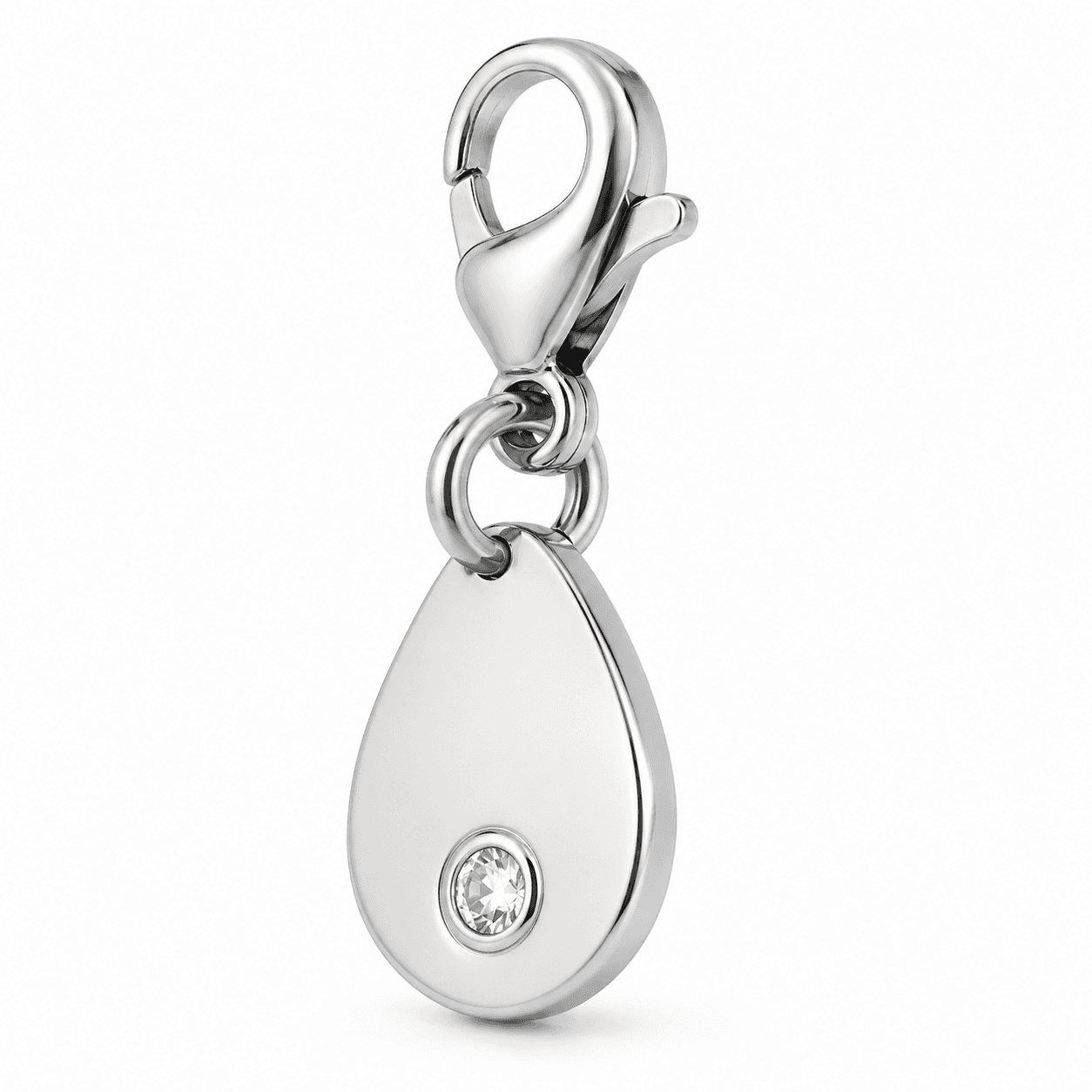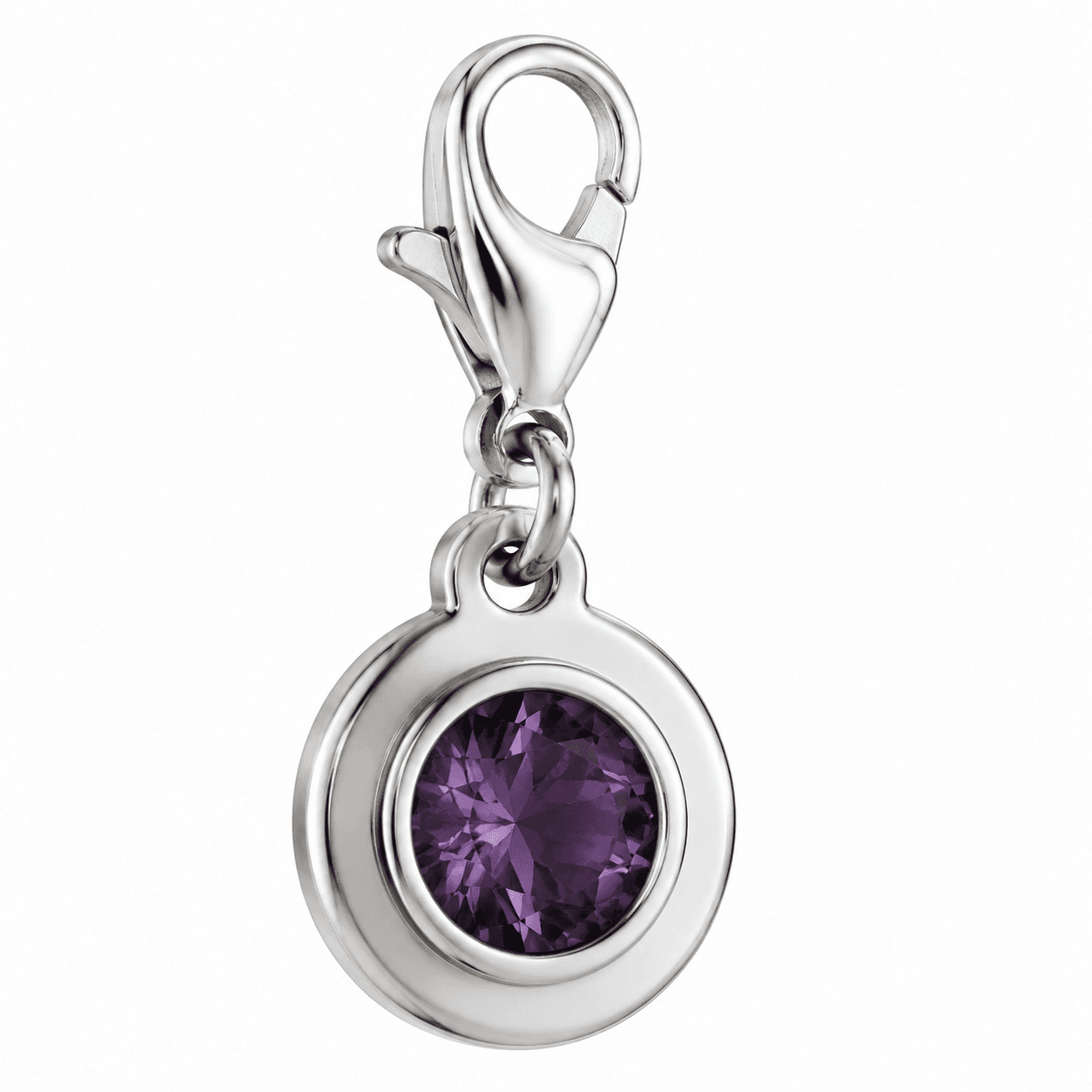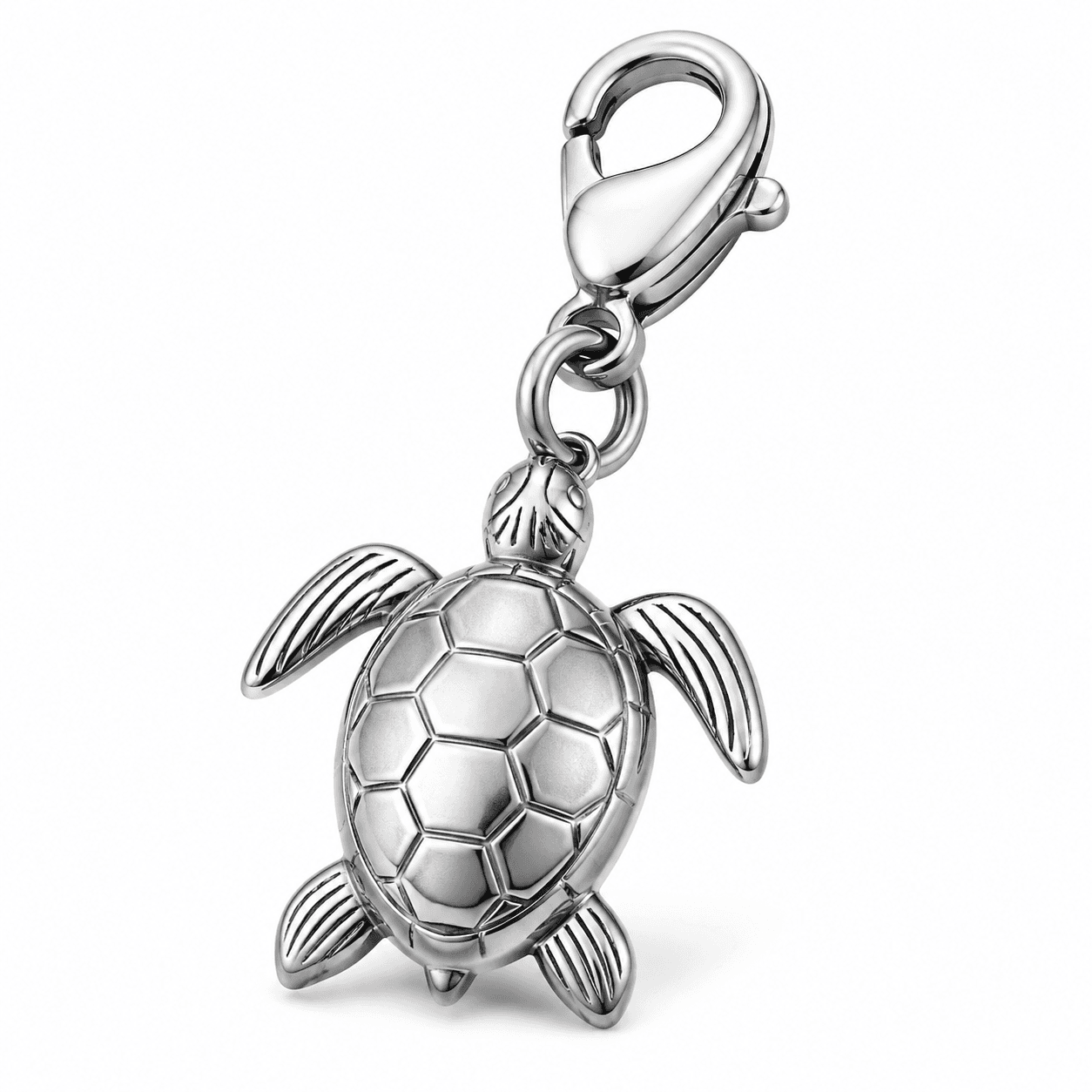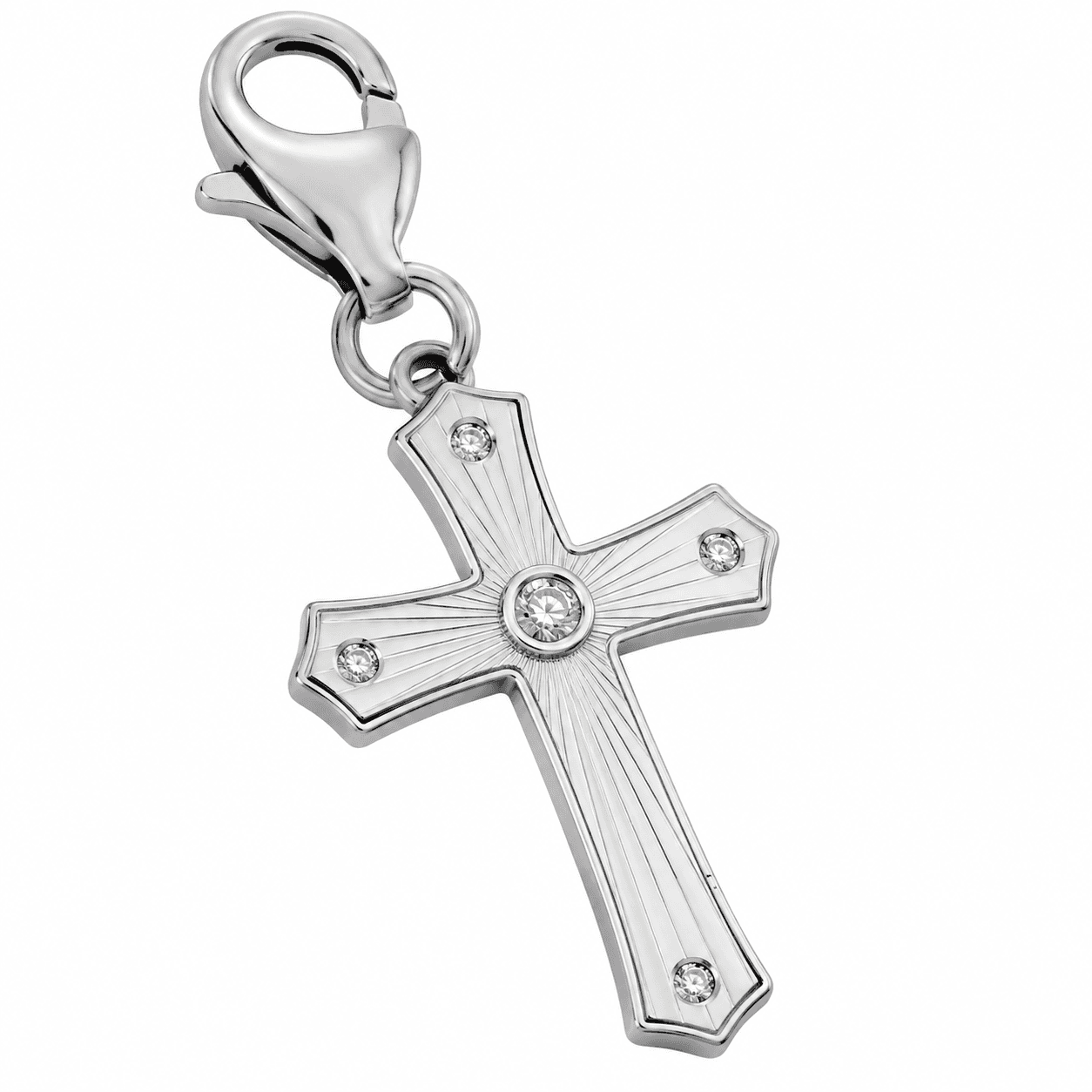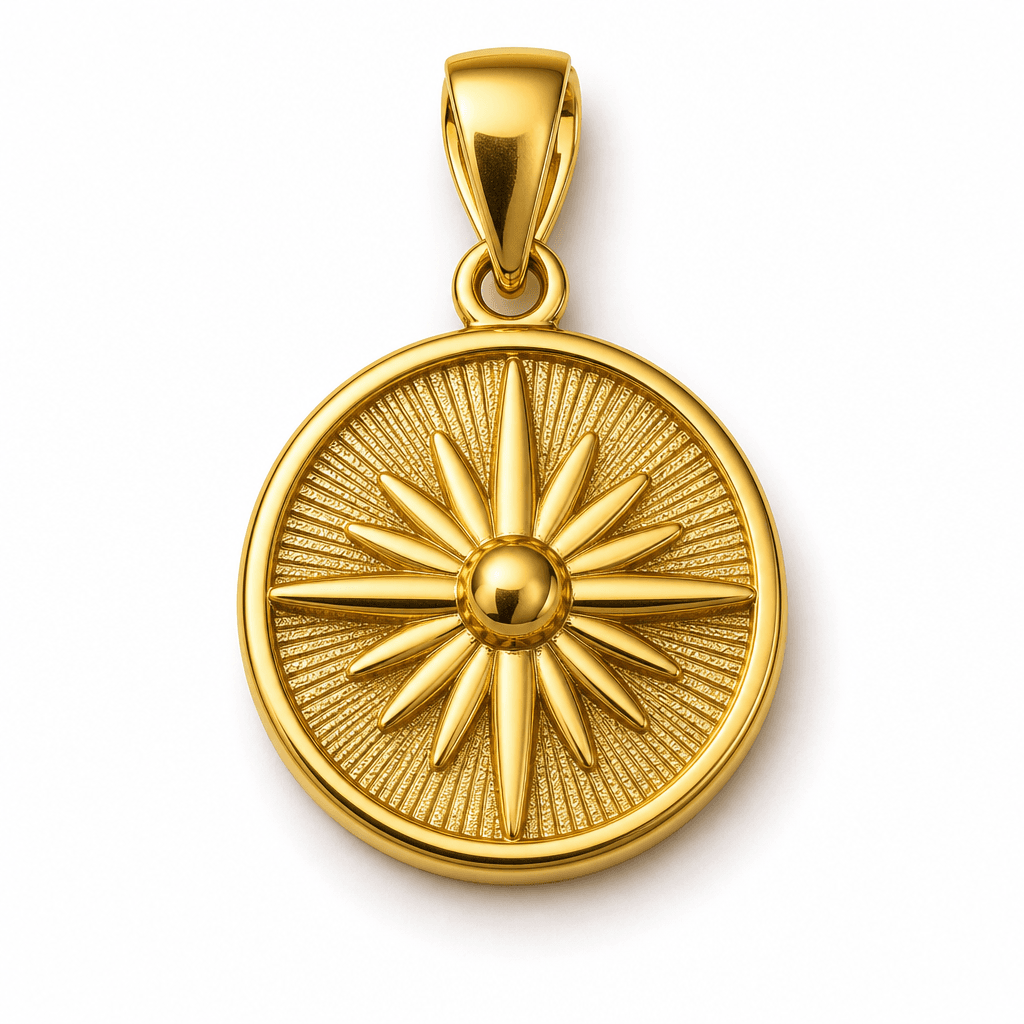
Material Deep Dive: vacuum plating vs electroplating for 316L stainless steel charms. This guide is crafted for jewelry designers and sourcing teams exploring finishing options that affect appearance, durability, and production timelines for OEM/ODM projects. We cover how vacuum plating (PVD) and traditional electroplating influence color stability, wear resistance, and compatibility with enamel and crystal inlays, helping you select finishes that align with private-label packaging and boutique-brand requirements.
Readers will gain a practical understanding of process differences, testing standards, and production workflows. The content emphasizes real-world decisions for a B2B audience: low MOQ charm production considerations, sample development cycles, and how a factory-direct supply chain translates into reliable bulk orders. For teams targeting US, EU, UK, AU, CA, DE, FR, SP, NE, and RU markets, the guidance aligns with international standards and SGS-based quality checks that validate RoHS, REACH, EN1811, and Salt Spray testing.
Throughout, the page highlights how Lancy Jewelry supports 316L stainless steel charms with OEM/ODM capabilities, logo engraving, enamel filling, and private-label packaging. Internal links to /oem, /products, /cart, and /contact offer direct routes for RFQ submissions or sample requests, reinforcing a practical, non-salesy approach to partner selection.
Introduction to Finishes for 316L Stainless Steel Charms
Introduction to finishes for 316L stainless steel charms: In the 316L stainless steel charms niche, the finish you choose defines not only aesthetics but wear performance, color fastness, and downstream production steps. As a trusted stainless steel charms manufacturer, Lancy Jewelry emphasizes that vacuum plating and electroplating deliver distinct advantages for boutique-brand and private-label programs. Vacuum plating (often referred to as PVD in industry terms) creates hard, dense coatings with excellent adhesion on 316L core material, supporting longer life in high-traffic charm bar environments. OEM/ODM collaborations benefit from predictable color outcomes and scalable process control that helps meet low MOQ demands while preserving plating consistency across batches.
What you will learn: This guide explains how vacuum plating and electroplating differ in deposition methods, coating thickness control, color potential, and post-process compatibility with enamel and crystal inlays. We will also cover how to plan for prototyping, sample development timelines, and packaging considerations that align with wholesale stainless steel charms distribution. The aim is to empower designers with knowledge to drive better design-for-manufacturing decisions and to streamline collaboration with a factory-direct supplier. RFQ and contact channels are provided for rapid next steps.
Quality and standards: SGS-based quality checks, RoHS, REACH compliance, EN1811 testing, and Salt Spray durability remain foundational. These tests are critical when mixing finishes (vacuum vs electroplating) with enamel and crystal inlays, ensuring long-term color retention and corrosion resistance on 316L stainless steel charms. For designers, this translates into reliable prototypes and a smoother path from concept to bulk charm orders.
Vacuum Plating: Process, Benefits, and Design Implications
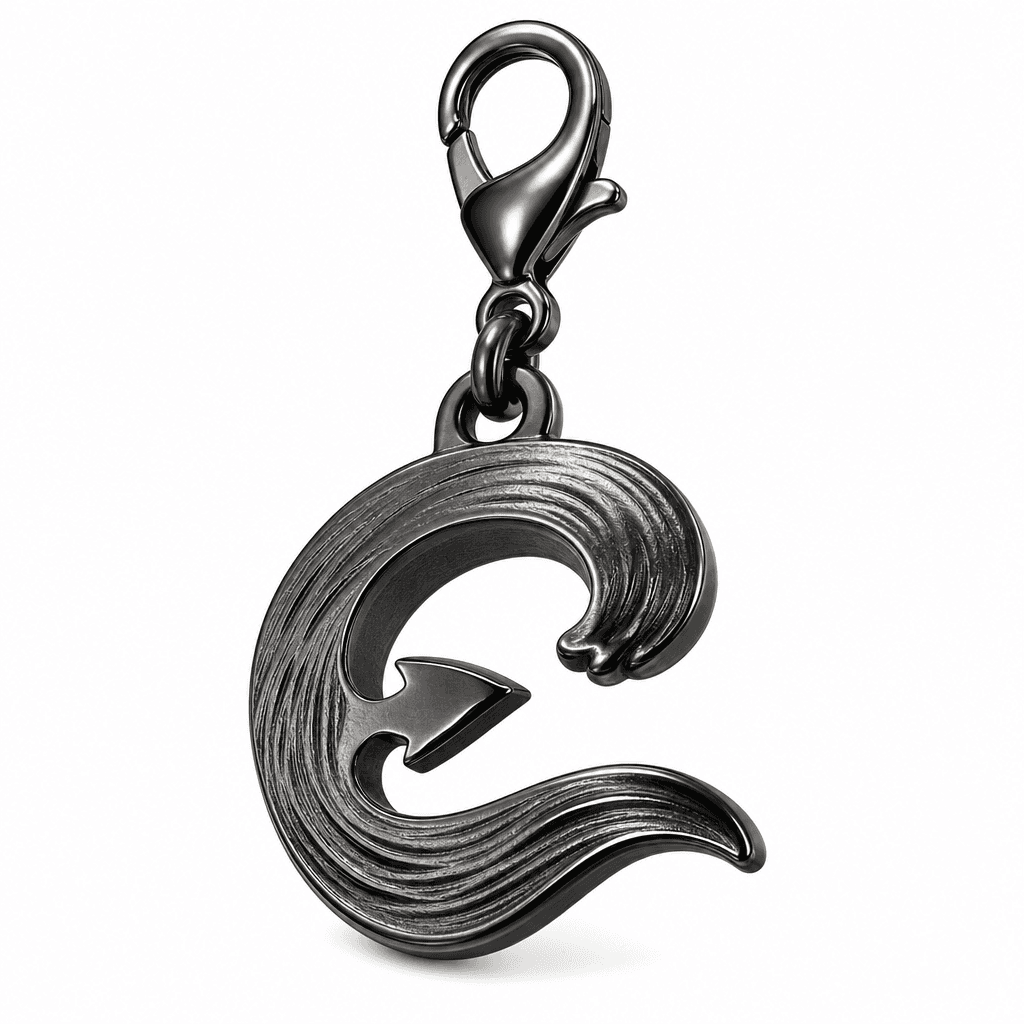
Vacuum plating explained for 316L charms: Vacuum plating deposits a metallic film in a high-vacuum chamber, producing a continuous, uniform coat on complex charm geometries. For 316L stainless steel, this results in exceptional adhesion and a low likelihood of micro-cracks that trap moisture. The process is highly controllable, enabling precise color ranges—classic gold, rose gold, and silver tones—while offering excellent wear resistance and excellent consistency in mass production. As a manufacturer-focused finish, vacuum plating supports our enamel and crystal detailing by providing a robust base layer that accepts color-filled inlays without compromising surface texture.
Design implications and timeline: Designers should plan for slightly longer cycle times than standard electroplating due to vacuum deposition steps, but the payoff is a harder finish with uniform thickness and high abrasion resistance. Color stability across 316L stainless steel gears, including jump rings and bail components often used in charms, mitigates color migration and dulling during gift program handling. When planning samples, specify color codes, target durability (e.g., 3-5 years of wear in seasonal boutique environments), and whether PVD is paired with enamel or crystal inlays for a premium effect.
Practical steps for designers: Work with a true stainless steel charms manufacturer who can deliver color-matched samples and a consistent finish batch after batch. For OEM/ODM projects, request color swatches, finish codes, and coating thickness data. Internal links to OEM/ODM services and product catalog provide concrete routes to initiate a vacuum-plated finish on your 316L charms.
Electroplating: Practicalities, Color Range, and Cost
Electroplating fundamentals for 316L stainless steel charms: Electroplating deposits material through an electrochemical reaction, creating a metallic layer that is often thicker and more cost-efficient for certain finishes. For 316L charm bases, electroplating is a reliable option to achieve deep gold tones, silver hues, or rose-gold finishes at a lower cost per unit than some vacuum-plated alternatives. This method pairs well with enamel color filling and crystal inlays when the design calls for vibrant contrast or strong color saturation.
Cost, thickness, and adhesion: Electroplating typically offers favorable cost-to-coverage ratios and can achieve thicker coatings that may benefit some long-running gift programs. However, uniformity across intricate charm geometries requires meticulous chemical management and substrate preparation to avoid edge thickness variation. Our factory teams implement standardized pre-treatment, agitation control, and post-treatment sealing to maximize adhesion on 316L stainless steel charms used as base material.
Practical implementation: When choosing electroplating, designers should specify the intended palette, required durability, and compatibility with subsequent enamel or crystal features. For private-label packaging and wholesale orders, ensure the finish code aligns with your supplier’s color reference and that the process can be replicated across batches. Link to our OEM service page for detailed process options and a sample timeline, and use RFQ to request a quote for specific finishes and bulk orders.
Finishes, Color Options, and Inlay Choices
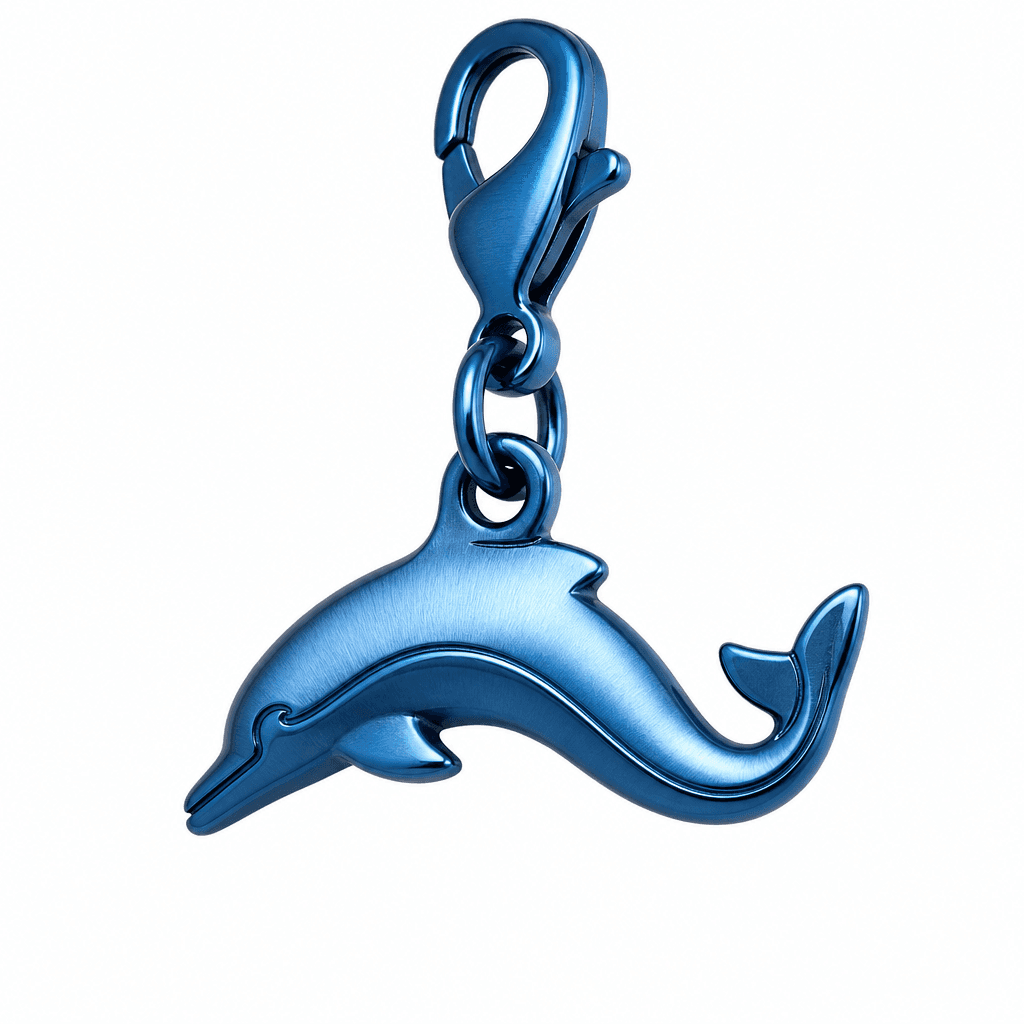
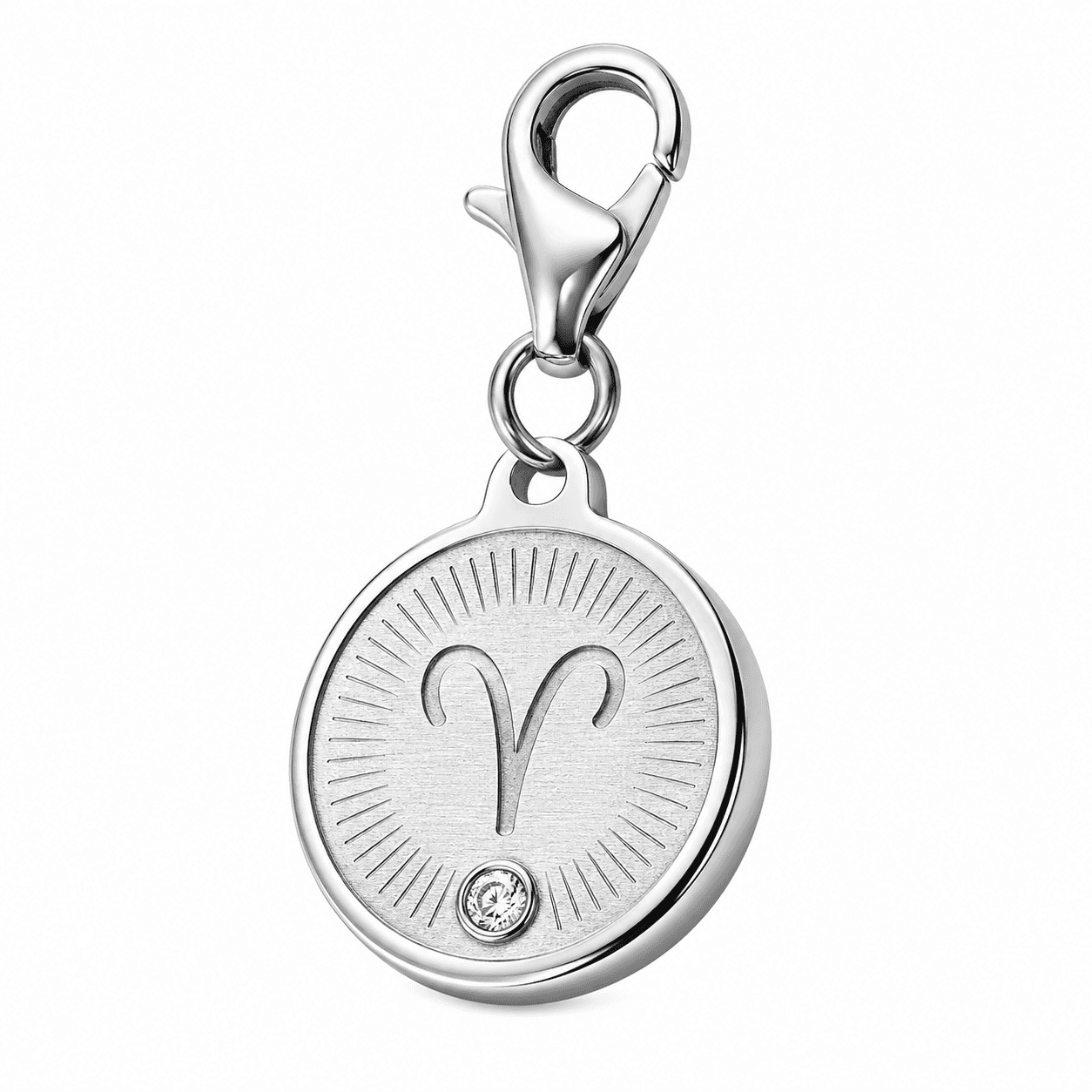
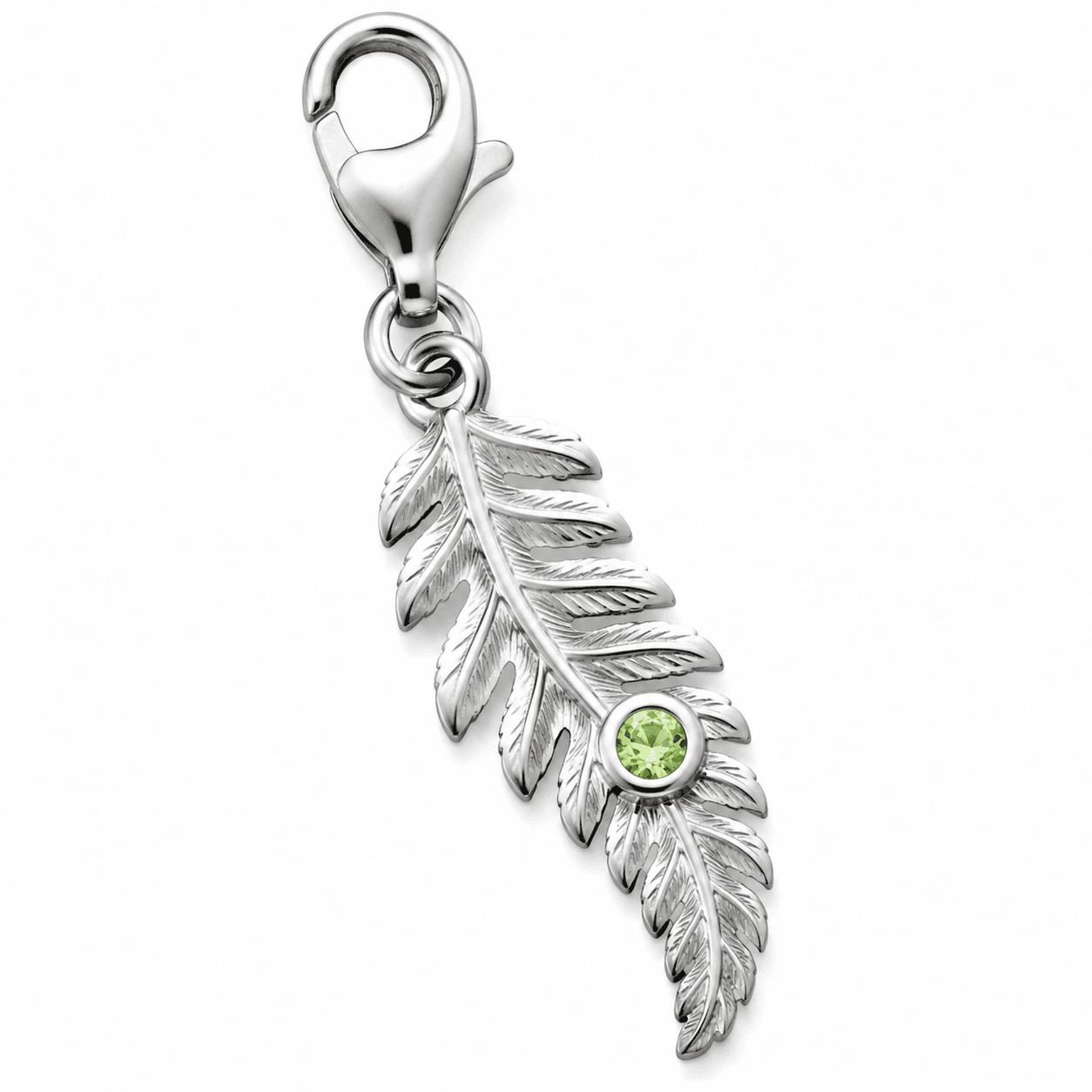
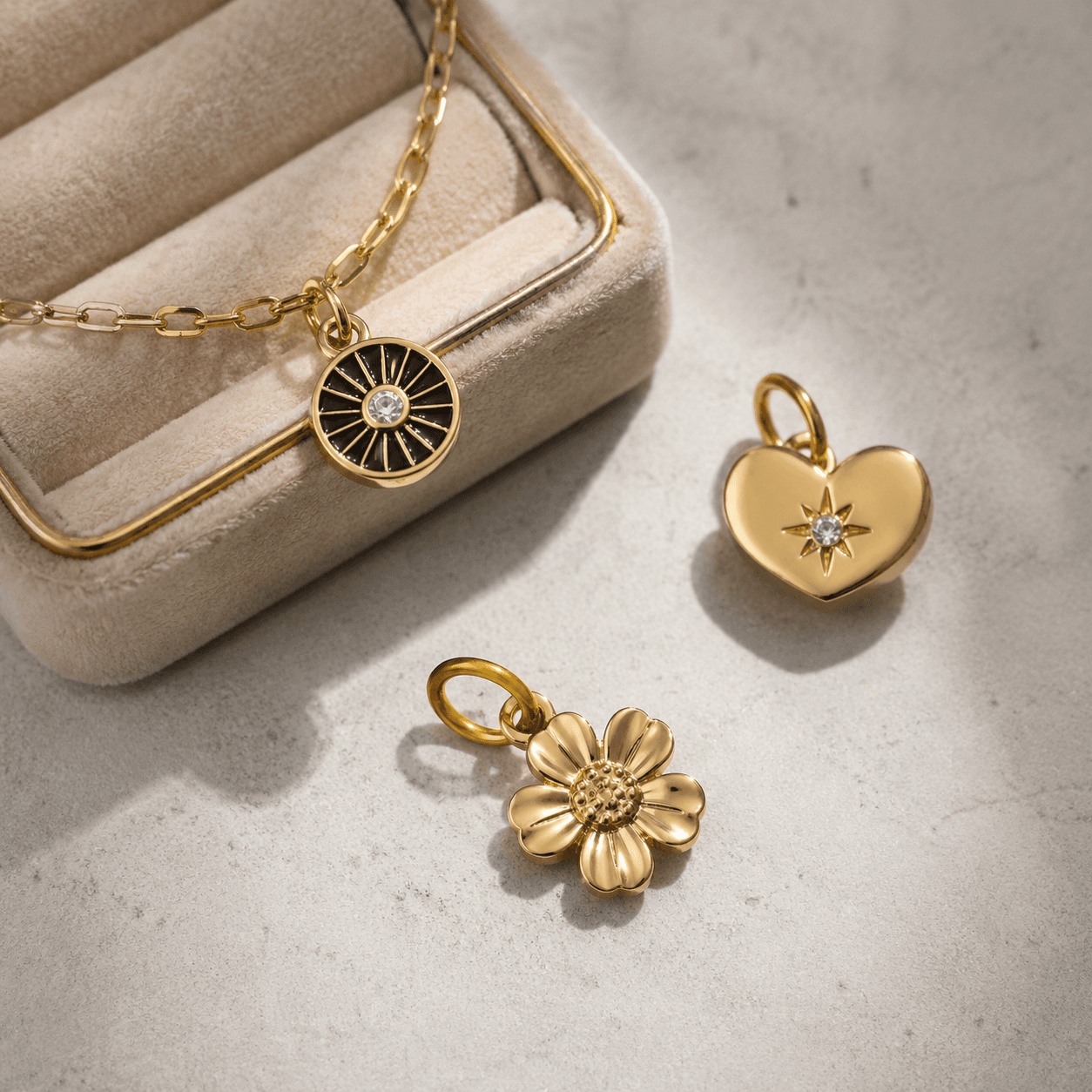
Finishes, inlays, and color options for 316L charms: The combination of gold plating, rose gold plating, and enamel color filling offers a broad design palette for 316L stainless steel charms. Our enamel options enable durable, vibrant colors that resist chipping under normal handling, while crystal inlays add sparkle without compromising wear resistance. For designers, this means you can craft boutique-ready series that integrate color blocks with metallic surfaces, achieving distinct brand personalities while maintaining 316L stainless steel performance.
PVD color options vs traditional plating: PVD colors provide stable hues with excellent hardness, making them ideal for layered designs where enamel or crystal accents are present. Electroplated finishes can achieve deeper gold tones or distinctive silvers, while enamel filling enhances contrasts for gift programs and charm bar assortments. Coordination between enamel colors and plating codes should be planned early to avoid color bleed and ensure consistent batch-to-batch results.
Design guidance for production teams: Specify finish codes, enamel color references (Pantone-like codes are common in design briefs), and the intended application contexts (jewelry charms, key ring charms, bag charms). When designing a private-label program, consider packaging compatibility and a coherent finish family to simplify MOQ planning and smart SKU management. For more details on finishing options and how they relate to sample development, consult our sample development workflow and OEM/ODM guidelines.
Material Properties of 316L Stainless Steel for Charms
316L stainless steel properties that matter for charms: The 316L base offers corrosion resistance, good formability, and strong mechanical properties, making it a reliable substrate for long-term charm usage in boutique contexts. When paired with 316L stainless steel, coatings such as vacuum- or electroplated finishes retain color integrity and resist wear from repeated handling and exposure to air and humidity. The durability of the base metal also supports compatibility with enamel and crystal inlays, enabling designers to push creative boundaries without sacrificing performance.
Why this matters for design decisions: For private-label products and OEM projects, selecting a substrate with well-understood properties reduces risk in mass production, improves consistency across SKUs, and simplifies QA testing. By focusing on 316L stainless steel as the base material, you align with the standards expected by global buyers and ensure traceable material compliance across regions, including RoHS and REACH considerations.
Factory-ready implications: With Lancy as your partner, you can translate material science into repeatable finishes, reliable color tones, and scalable production for wholesale stainless steel charms and custom decorative charms. Our teams coordinate with you on finish compatibility, enamel behavior, and crystal settings to deliver consistent results for bulk charm orders.
Prototype to Private-Label Production: From Sample to Scale
Prototype to production: private-label packaging and sample development: Transitioning from concept to private-label packaging requires a clear path for sample development, lead times, and MOQ planning. Lancy’s OEM/ODM capability supports logo engraving, enamel filling, crystal setting, and private-label packaging, enabling a smooth handoff from design to manufacturing. By starting with a low MOQ charm production approach, brands can test market response while preserving a fast route to larger orders as demand grows.
Workflow and milestones: Designers share design files, finish specifications, and target markets. Our team provides pre-production samples within a defined window, followed by a pilot batch to verify color, adhesion, and durability across finishes. This process is essential for ensuring that private-label packaging integrates seamlessly with the finish type selected, whether vacuum-plated or electroplated.
Risk management for a successful launch: Plan with a clear BOM, defined finish codes, and packaging formats. Early collaboration on logo engraving and packaging artwork helps minimize rework, reduces lead times, and supports reliable bulk orders. For sample development and RFQ submission, please visit RFQ or contact to initiate a managed design-to-production sequence.
Factory Capabilities, Quality Standards, and Certifications
Factory capabilities and quality standards: Lancy Jewelry operates as an OEM/ODM charm factory with dedicated teams for logo engraving, PVD plating, enamel color filling, crystal setting, and private-label packaging. Our capabilities ensure that 316L stainless steel charms meet client-specific design intent while maintaining repeatable outcomes across large runs.
Quality and certifications: We align with SGS-based quality checks, RoHS, REACH, EN1811, and Salt Spray durability to validate coating integrity and color stability. These standards support global distribution to the US, EU, UK, AU, CA, and other markets, reinforcing confidence in bulk charm orders and long-term supply. Our QA processes prevent material deviations and surface defects, ensuring consistent aesthetics across all SKUs.
Production reliability for private-label and wholesale programs: By leveraging private-label packaging and custom logo charms, the factory delivers reliable results for designers and retailers alike. For more information on how we manage production schedules, packaging formats, and lead times, navigate to our OEM service page and contact team for a tailored plan.
Frequently Asked Questions
Partner With Lancy Jewelry Today
Partner With Lancy Jewelry to start your 316L charm project: Ready to advance from concept to private-label packaging and full-scale production? Start with a detailed RFQ that outlines your design concept, finish choices (vacuum vs electroplating), color references, and packaging requirements. Include target markets, expected MOQ, and desired lead times. Our team will respond with a structured plan covering material suitability, prototype milestones, and a quote for sample development and bulk orders.
What to include in your RFQ or inquiry: Design files or sketches, finish codes, size range (8-18 mm as a standard for 316L charms), any enamel or crystal inlays, desired packaging format, and shipping destination. If you need logo engraving or private-label packaging, attach artwork references and packaging specs to ensure accurate quoting. Access RFQ via Request a Quote or contact us at sales for guidance on your project scope.
Why choose Lancy as your supplier: We offer low MOQs, consistent plating quality, boutique-ready series planning, and fast sample development. With a dedicated OEM service team and robust QA, you can confidently scale from pilot runs to bulk charm orders while maintaining design integrity and supply reliability.
Related resources
Related resources
- How to Source 316L Stainless Steel Permanent Jewelry Charms Wholesale
- How to Vet Stainless Steel Car Charms Suppliers: 316L Properties
- Materials & Finishes
- How 316L Chemistry Shapes Stainless Steel Wholesale Charms for Jewelry
- How to Source Stainless Steel Keychain Bag Charm: A Procurement Guide
- The Science Behind Stainless Steel Keychain Charms: 316L
- About Factory
- Quality Standards Behind Stainless Steel Charms for Jewelry Making Compliance
- Checklist for Stainless Steel Charm Bracelets Wholesale: RoHS, REACH & Nickel Release
- Stainless Steel Charm Bracelet Quality: RoHS, REACH & Testing Guide