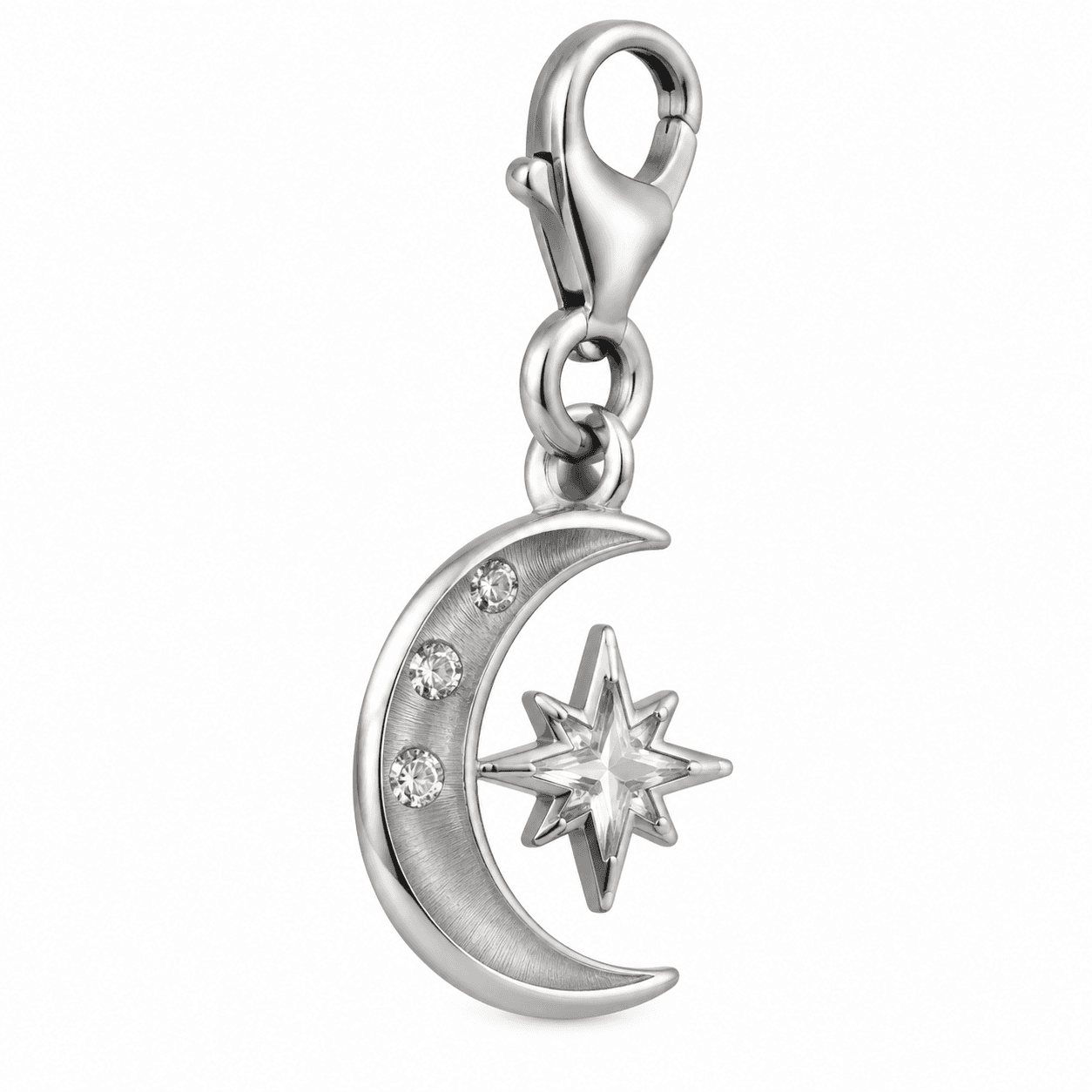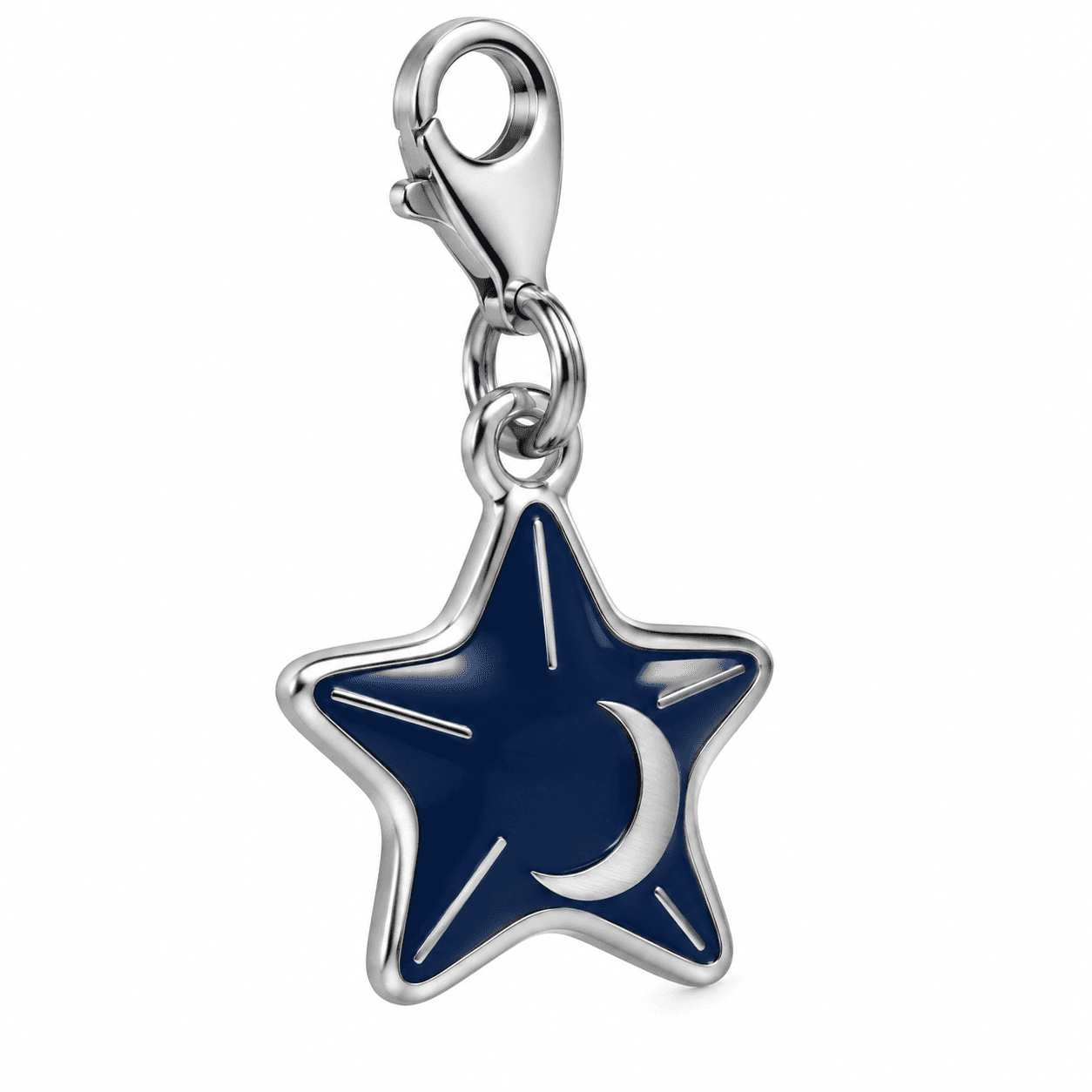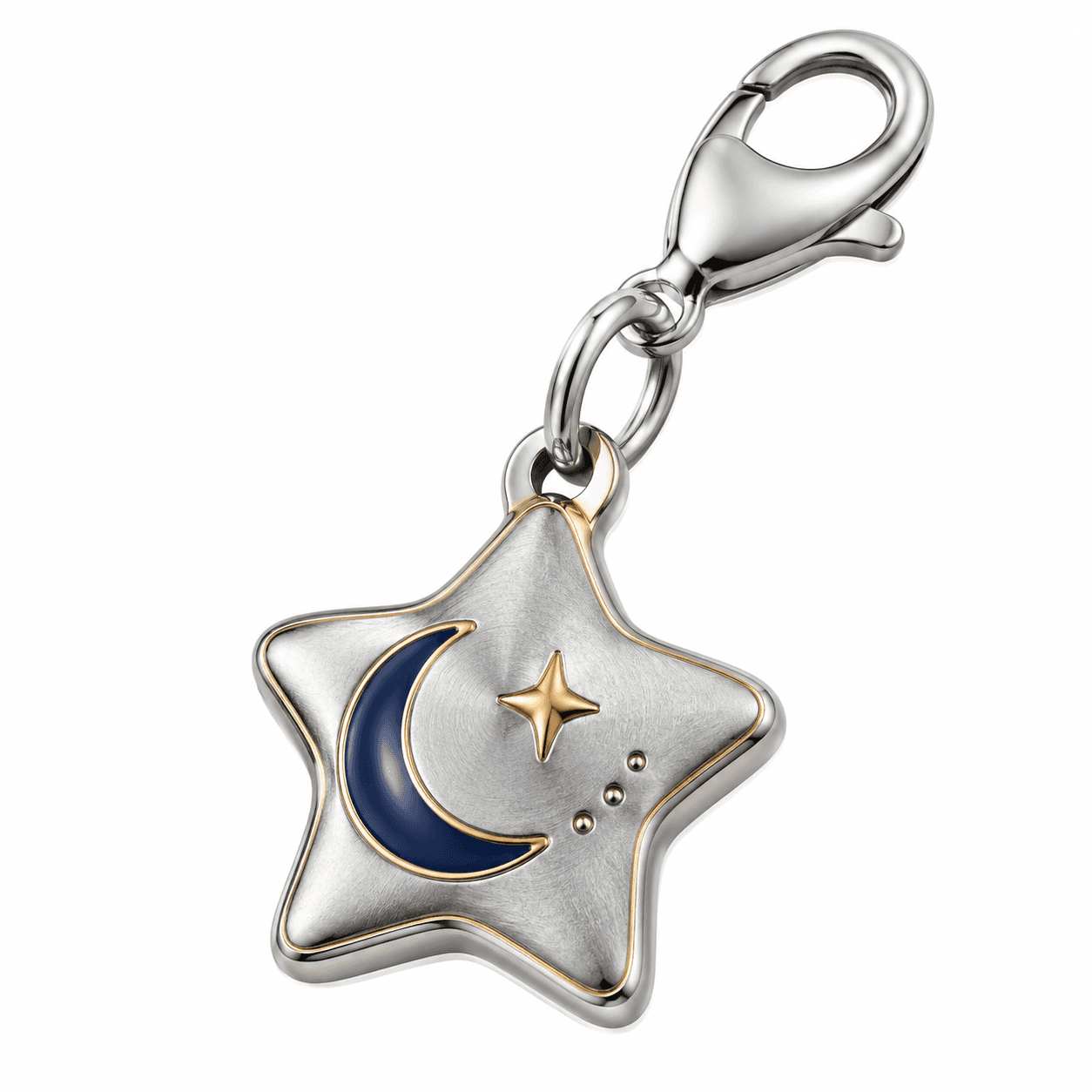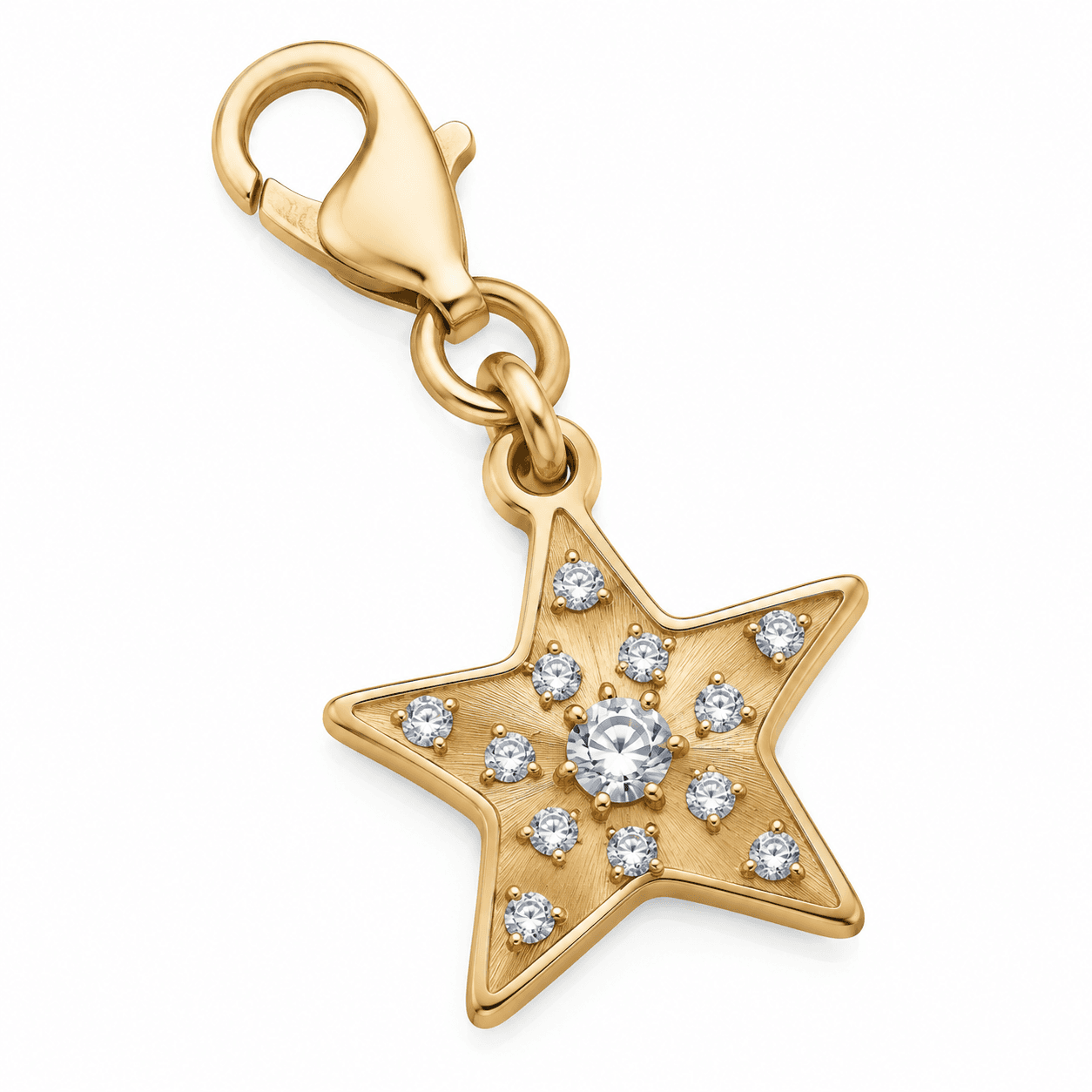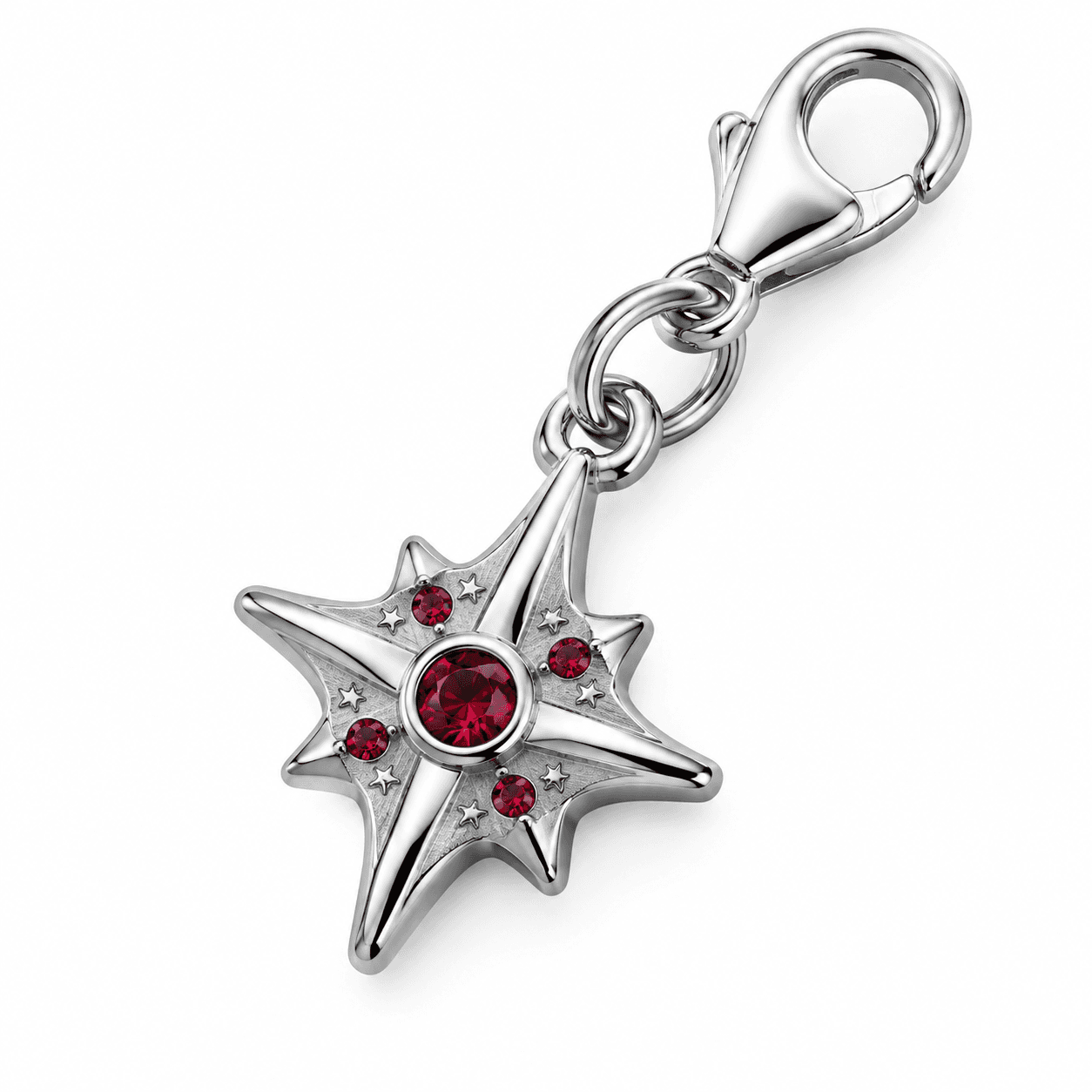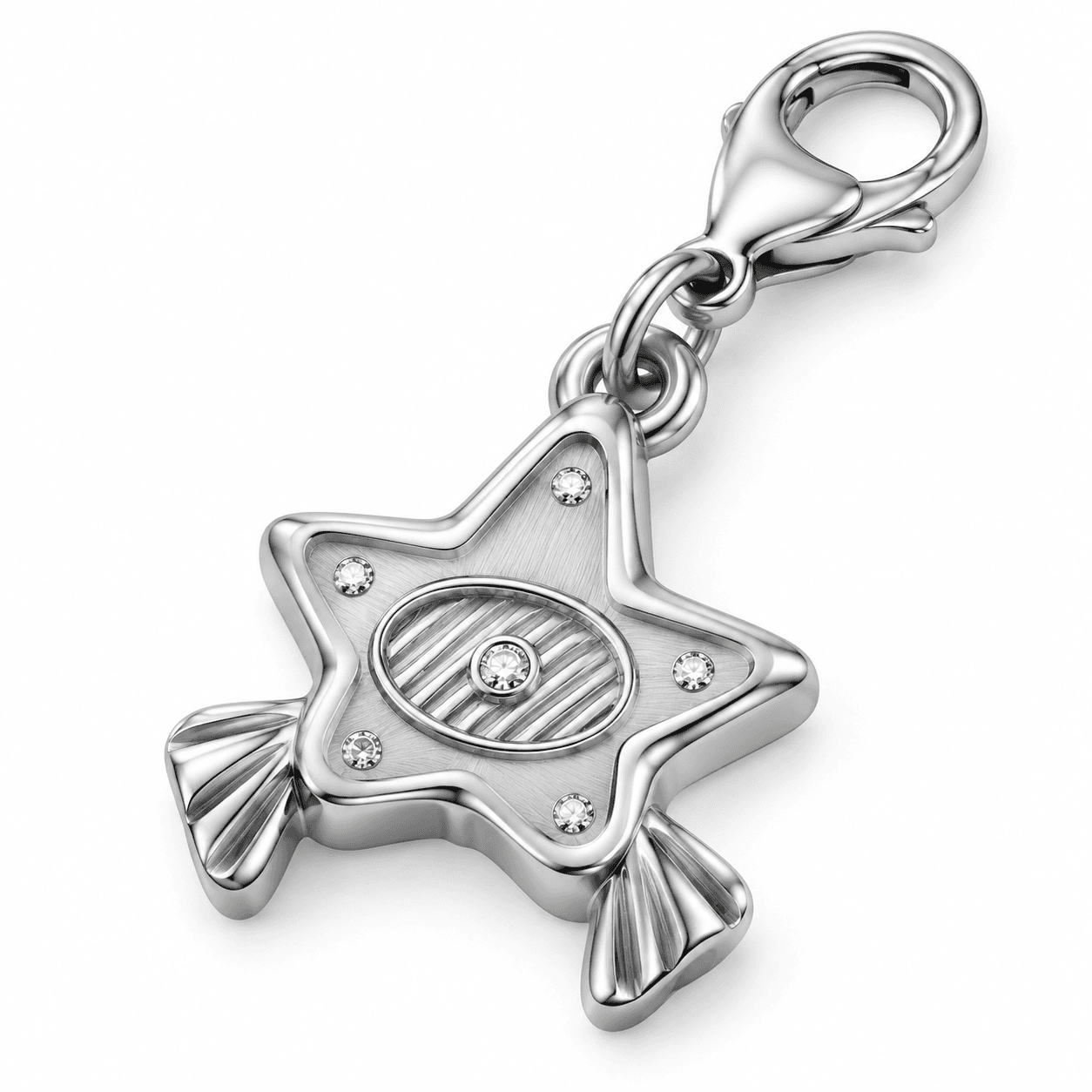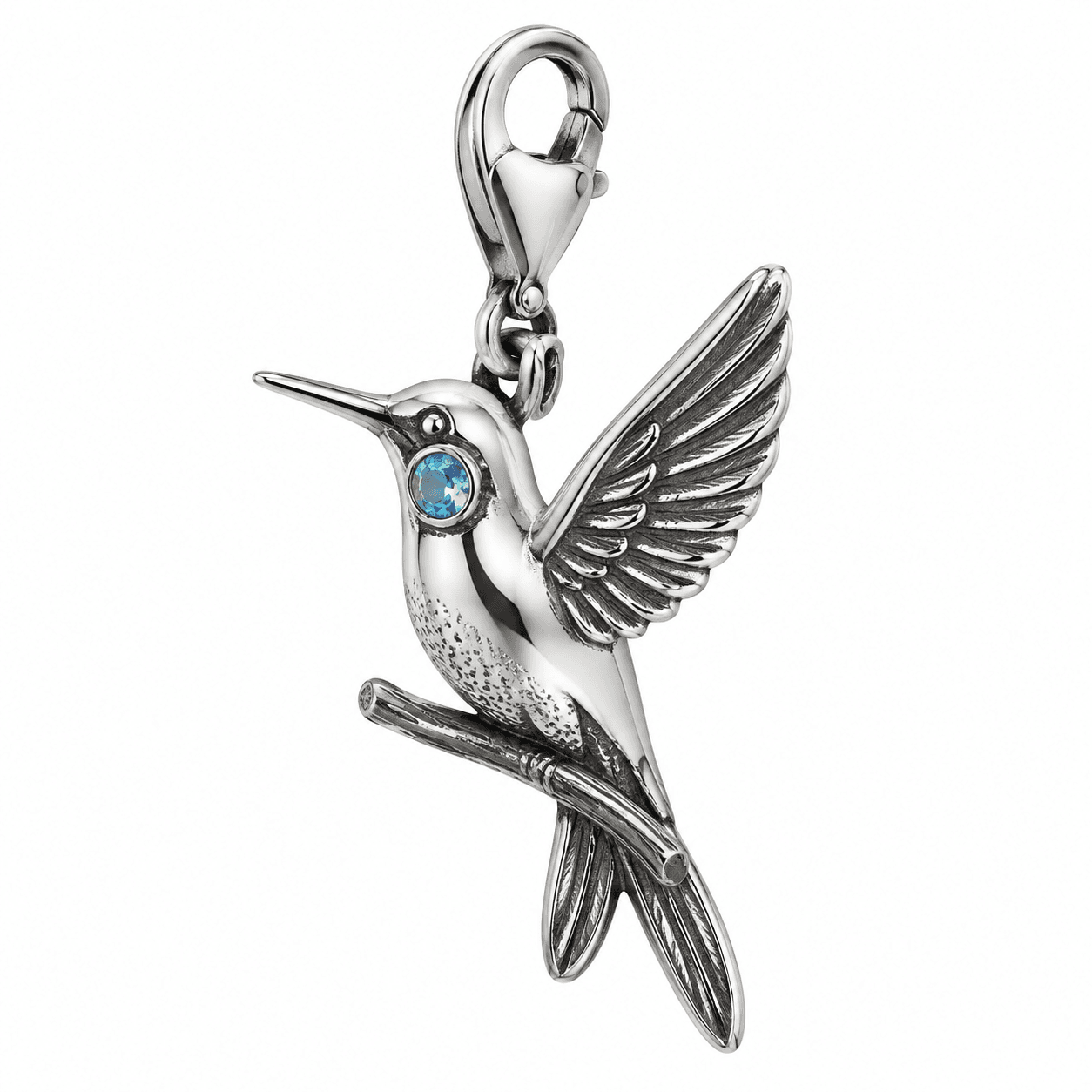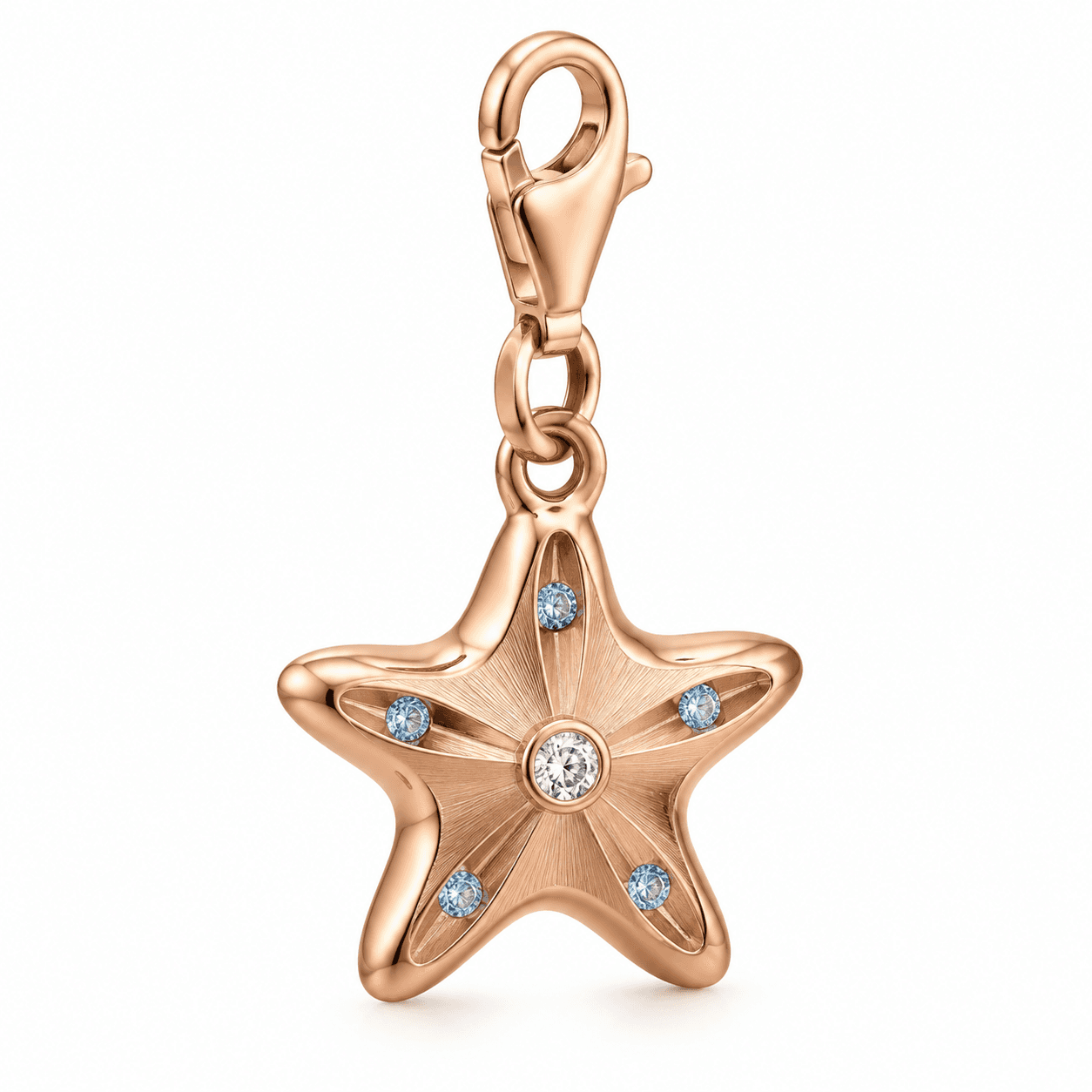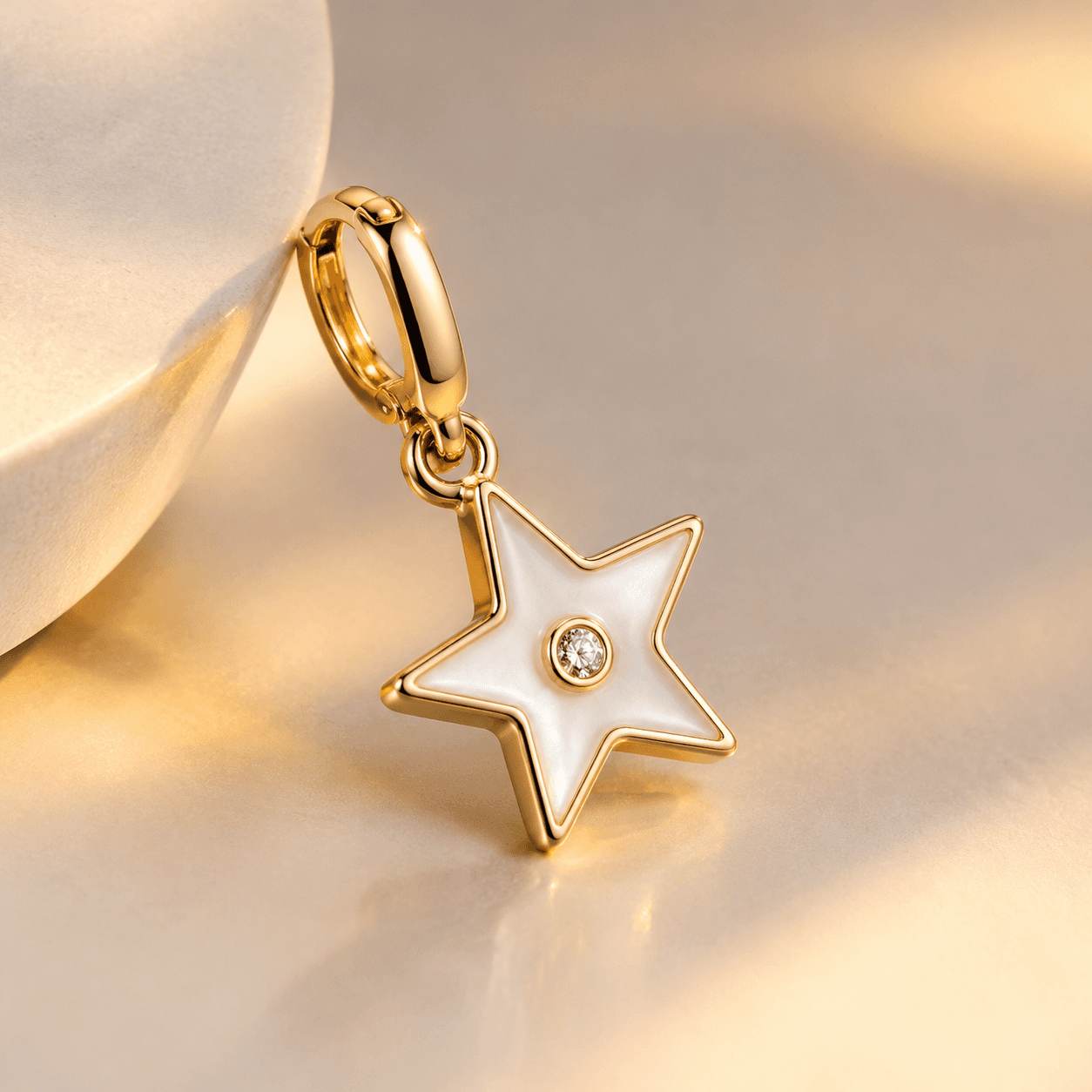
A charming star playroom can be more than a visual theme: for boutique jewelry brands, charm bar retailers, gift companies, distributors, and private-label buyers, it can become a structured product concept for sourcing and merchandising. A coordinated star assortment can combine geometric silhouettes, celestial motifs, enamel color, crystal inlay, silver finish, gold plated details, and rose gold plating while keeping 316L stainless steel as the consistent base material. The objective is to create a collection that looks cohesive online while remaining practical to manufacture, photograph, package, and reorder.
Lancy Jewelry is a stainless steel charms manufacturer focused on 316L stainless steel charms for B2B buyers. Manufacturing and development capabilities include OEM and ODM development, logo engraving, PVD plating, enamel color filling, crystal setting, sample development, and private-label packaging. Low MOQ support can help buyers validate a smaller initial assortment before moving toward larger wholesale programs. Buyers can use this page as a sourcing brief covering visual direction, product specifications, quality checks, packaging, lead time, and RFQ preparation.
The strongest commercial result comes from connecting creative presentation with measurable purchasing requirements. A star-themed collection should have a defined target customer, SKU structure, finish plan, packaging direction, approved dimensions, and realistic production timeline. The sections below explain how to translate the charming star playroom concept into a professional B2B assortment suitable for wholesale, private-label, gift, and boutique retail programs.
Build a Charming Star Playroom With a Cohesive B2B Visual Story
A successful charming star playroom starts with a clear visual system rather than a random group of star products. For a boutique-ready assortment, define two or three core visual directions before requesting samples. One direction might emphasize geometric six-point stars and clean polished surfaces; another might use blue or teal enamel for a celestial mood; a third might emphasize warm PVD finishes and crystal inlay for gift-oriented merchandising. The visual system should remain recognizable across product photography, collection banners, packaging cards, display trays, and promotional materials. Keeping the number of visual directions controlled also makes wholesale assortment planning easier because buyers can identify which SKUs belong together.
For sourcing teams, the creative brief should be converted into measurable specifications. Record the preferred star silhouette, overall dimensions, thickness, edge treatment, attachment-hole size, finish, enamel color reference, crystal-setting requirements, and logo position if customization is required. A design that looks simple in a mood board may require additional development decisions once it reaches production. Confirm these details during sample development rather than relying only on a visual reference. This reduces ambiguity between the intended appearance and the manufacturable product and gives both sides a defined basis for approval.
Lancy can support this process through OEM charms manufacturer and ODM development services for 316L stainless steel charms. A buyer can begin with a concept direction, existing drawing, or development requirement and then confirm feasibility, sampling, finish selection, and packaging. For a wholesale launch, it is useful to create a small core group first and expand only after the initial designs have passed product, quality, and merchandising review. This approach keeps the charming star playroom concept commercially focused rather than treating visual styling as a separate activity from sourcing.
Select 316L Stainless Steel Charm Designs for a Balanced Assortment
A coordinated assortment should give buyers enough variety to create a meaningful collection without making the first order unnecessarily broad. Start with several clearly differentiated design roles: a classic star, a celestial combination, a colorful starburst, and a decorative option with crystal inlay where appropriate. The shapes should be easy to distinguish in a product grid and should retain their visual identity when displayed at small e-commerce thumbnail sizes. For retail planning, consider whether each SKU serves a different gifting occasion, customer preference, price tier, or merchandising position.
316L stainless steel charms provide a consistent base for this assortment while allowing different surface treatments and decorative details. Depending on the approved specification, Lancy can develop silver finish, gold plated, rose gold plating, PVD, enamel color filling, crystal setting, and engraved details. Buyers should avoid treating finish names as interchangeable design specifications. Instead, define the required appearance, reference finish, color expectations, and inspection standard in the purchase specification. For repeat programs, retain the approved sample and documented finish reference so future production can be evaluated against the same standard.
When planning a wholesale stainless steel charms collection, map each SKU to a commercial purpose. A core star may be suitable for year-round sales, while a colored celestial design may support seasonal gifting or a limited collection. A logo-engraved version can support a private-label program, while a coordinated group of designs can be used for a charm bar retail concept. This SKU-level planning helps buyers decide which designs need custom development and which can move directly into sampling, quotation, photography, and production planning.
Create Product Photography That Supports B2B Product Evaluation
Professional product photography should communicate the actual product rather than relying on decorative styling alone. For the primary image, use a pure white background, center the standalone charm, preserve the complete outer silhouette, and leave enough margin for the attachment point to remain visible. Show the bail or jump ring where applicable and ensure the hardware is visibly threaded through a real hole or loop. Realistic shadows and controlled reflections can communicate the surface finish without changing its perceived color. The main image should be suitable for a catalog, wholesale line sheet, online product page, and buyer review process.
A useful secondary image set can include an angled view for thickness, a macro detail for enamel or crystal setting, and a scale image using a packaging card or neutral display tray. If multiple products are grouped in an editorial scene, keep the group limited and make each product clearly separated. A boutique charm bar or private-label packaging scene can add commercial context, but it should never obscure the individual product. For sourcing managers, the most valuable images are often the ones that answer practical questions: What is the approximate size? Where is the attachment opening? How does the finish appear? Is the decorative detail positioned consistently? What packaging presentation is possible?
Use the same photography checklist during sample approval and production photography. Confirm dimensions, front design, attachment structure, finish, enamel placement, crystal positioning, and logo engraving against the approved specification. This is especially important when product images are prepared before bulk production. Accurate imagery reduces catalog corrections and helps downstream sales teams present the correct product information. Lancy can discuss sample development requirements so buyers can establish the physical reference before finalizing the commercial image set.
Use Finishes, Enamel, and Crystal Details With Commercial Discipline
Finish selection should be based on the target customer and merchandising role rather than simply adding every available option. Silver finish can provide a neutral foundation for geometric star designs, while gold plated or rose gold plating can support warmer gift presentations. PVD can be specified when a buyer wants a particular surface treatment within the approved production scope. Enamel color can create a stronger seasonal identity, while crystal inlay can add visual detail to a statement SKU. Each treatment should be defined in the product specification so the production team and buyer are working from the same requirements.
For custom development, buyers should provide clear color references whenever possible. A verbal instruction such as bright blue or soft teal may not be precise enough for repeat manufacturing. Provide an approved reference, sample target, or documented color requirement and identify which areas require enamel filling. For crystal details, specify the number and placement of settings and the desired visual arrangement. Logo engraving should also have approved artwork and a defined position. These details become particularly important when several SKUs share the same base shape but use different finishes or decorative treatments.
A disciplined finish strategy also makes private label charms easier to manage. Instead of launching every design in every finish, select the combinations that fit the intended retail positioning and expected demand. Buyers can then request samples for the most commercially important combinations and use the approved samples as references for the final order. This reduces unnecessary development work and provides a clearer path from concept to quotation, production, packaging, and future replenishment.
Plan OEM and ODM Development Around Buyer Decision Criteria
OEM development is most efficient when the buyer provides a structured brief. Include the intended application, target market, charm dimensions, preferred silhouette, attachment method, finish, enamel requirements, crystal details, logo artwork, estimated quantity, packaging expectations, and target launch date. If the buyer has a drawing or visual reference, identify which features are essential and which features can be adjusted for manufacturability. This distinction gives the development team room to solve practical production issues without losing the core commercial direction.
ODM development can be useful when a buyer wants a faster route to a coordinated assortment while still requiring specific commercial adjustments. The buyer can define the target customer, preferred visual direction, dimensions, finish, packaging, and desired level of customization. Lancy can then discuss available development routes, sample requirements, and production feasibility. The final specification should always identify the exact approved design, finish, dimensions, logo treatment, and packaging format so the sample becomes a meaningful reference for production approval.
For an ODM charm supplier evaluation, compare suppliers using practical criteria rather than price alone. Review sample quality, communication speed, dimensional consistency, finish consistency, attachment construction, packaging capability, MOQ flexibility, production lead time, and ability to document agreed specifications. A factory that can support the full workflow from sample development to private-label packaging may reduce coordination work for the buyer. Ask for confirmed terms for each project instead of assuming that one MOQ, lead time, or finish option applies to every design.
Set Quality Checks Before Approving Bulk Charm Orders
Quality control should begin before bulk production rather than after finished goods arrive. Establish an approved sample and written specification covering dimensions, thickness, silhouette, attachment opening, surface finish, enamel placement, crystal positioning, logo engraving, and packaging requirements. Define which cosmetic variations are acceptable and which conditions require rejection or rework. For repeat orders, keep the approved reference sample and specification available so the buyer and manufacturer can evaluate future batches against the same baseline.
During inspection, review the overall shape first, followed by attachment integrity and surface appearance. Check that the charm is complete, the jump-ring or bail opening is properly formed, and decorative details are positioned according to the approved sample. Review plating or finish consistency under suitable lighting and look for visible scratches, uneven color, incomplete enamel filling, misplaced crystal details, or unclear engraving where applicable. Packaging should also be inspected for correct quantity, labeling, protective presentation, and private-label requirements.
Buyers with specific market requirements should request relevant current documentation from the manufacturer. Depending on the product, destination market, and buyer specification, this may include applicable SGS reports or documentation relating to RoHS, REACH, EN1811, or salt spray performance. Buyers should verify the actual report date, tested sample identification, scope, and applicable standard before using any document in a compliance statement. No test result or certification should be assumed to apply to every SKU. This verification step is especially important for distributors and private-label buyers responsible for downstream product claims.
Control MOQ, Samples, Lead Time, and Private-Label Packaging
Commercial planning should separate sample development from production ordering. A sample allows the buyer to evaluate the physical design, dimensions, finish, decorative placement, attachment structure, and overall presentation before committing to a larger quantity. When requesting samples, state which features are mandatory and which are still open for adjustment. This helps the factory understand whether the sample is intended as a visual prototype, a final approval reference, or a production-ready specification.
Lancy supports low MOQ programs, but the applicable MOQ should be confirmed for each project because quantity requirements can vary by design, finish, customization scope, and packaging configuration. In a wholesale inquiry, request MOQ by SKU and identify whether different finishes require separate production quantities. Ask for sample fees, development timing, production lead time, packaging costs, and any applicable tooling or setup charges. A written quotation should clearly separate these cost elements so buyers can calculate landed commercial requirements more accurately.
Private-label packaging should be planned at the same time as the product rather than treated as a final-stage add-on. Confirm packaging format, card dimensions, logo placement, barcode or SKU information, quantity per package, protective requirements, and carton labeling. If the buyer needs packaging photography for the product launch, request a packaging sample or approved production reference before final photography. Clear packaging specifications can reduce rework and help align factory production, fulfillment, and retail presentation.
Build a Repeatable Merchandising and SEO Framework
A B2B topic page should support both discovery and commercial action. Use custom stainless steel charms when discussing design development, stainless steel charms manufacturer when explaining factory capabilities, and relevant commercial terms such as OEM, ODM, wholesale, private label, MOQ, sample development, or bulk orders where they naturally fit the subject. Avoid repeating the same keyword in every paragraph. Instead, make each section answer a different buyer question: product selection, development, quality, packaging, pricing structure, lead time, or RFQ preparation.
For product pages, keep naming and specifications consistent across the title, description, image alt text, internal links, and sales documents. State the actual 316L stainless steel construction, finish, dimensions, decorative treatment, and attachment details that have been verified for the specific SKU. Use internal navigation to connect the topic page with the broader product catalog, OEM service information, and RFQ path. A buyer who discovers the charming star playroom concept should be able to move naturally from visual inspiration to product evaluation, sample development, and quotation.
Measure the commercial performance of the page using qualified traffic, product engagement, RFQ submissions, sample requests, and downstream order activity where data is available. If visitors repeatedly ask about dimensions, finishes, MOQ, packaging, or lead time, update the page to answer those questions more clearly. Do not promise specific search rankings or conversion improvements. Search performance depends on demand, competition, site quality, technical implementation, and ongoing content maintenance. The practical objective is to create a useful page that helps a qualified buyer make a faster and better-informed sourcing decision.
Frequently Asked Questions About Charming Star Playroom Sourcing
Start Your Charming Star Playroom RFQ With Lancy Jewelry
Turn your charming star playroom concept into a defined B2B development project with Lancy Jewelry. Whether you are planning a boutique collection, wholesale assortment, charm bar program, gift range, distributor catalog, or private-label launch, provide enough technical and commercial information for the factory to evaluate the project efficiently. Lancy can discuss 316L stainless steel charms, OEM and ODM development, PVD, gold plated and other approved finishes, enamel color filling, crystal setting, logo engraving, sample development, low MOQ support, and private-label packaging.
For your RFQ, include the target market, intended application, design references or drawings, desired charm dimensions in millimeters or inches, thickness if known, finish requirements, enamel colors, crystal details, logo artwork, attachment requirements, estimated quantity per SKU, packaging format, and target launch date. Identify whether you need a standard product, OEM development, or ODM support. Also state any required documentation or inspection criteria. Request the actual MOQ, sample cost, sample development timeline, production lead time, unit price, packaging cost, and any applicable development or setup charges.
After receiving the initial proposal, use sample approval to confirm the physical design before bulk production. Review the approved sample against the agreed specification, including silhouette, dimensions, finish, decorative details, attachment structure, engraving, and packaging. For repeat orders, retain the approved reference and written specification. This creates a more reliable basis for future replenishment and helps your product photography, sales documentation, and manufacturing requirements stay aligned.
To continue sourcing, browse all products, review Lancy OEM services, or visit Contact Lancy Jewelry for project discussion. Buyers ready to provide specifications can use Request a Quote to begin the RFQ process. Confirm final specifications, pricing, documentation, MOQ, lead time, and order terms with Lancy before approval.
Related resources
Related resources
- Lancy Charms Bar
- Stainless Steel Animal Jewelry Charms Wholesale: Quality Guide
- Stainless Steel Wholesale Enamel Charms UK: Quality Buyer Guide
- Custom OEM/ODM Guide to Stainless Steel African Jewelry Charms Wholesale
- Where to Buy Stainless Steel Enamel Charms in Bulk: Quality Guide
- The Ultimate ODM stamped 316L stainless steel angel charm customization Buying Guide
- Custom Stainless Steel Charm Bracelet Tutorial: A Buyer’s Guide to Quality
- Guide to Stainless Steel Lucky Charm Inspirational Jewelry Wholesale
- OEM / ODM Services
- How to Choose Durable Stainless Steel Charms for Cross-Border E-Commerce