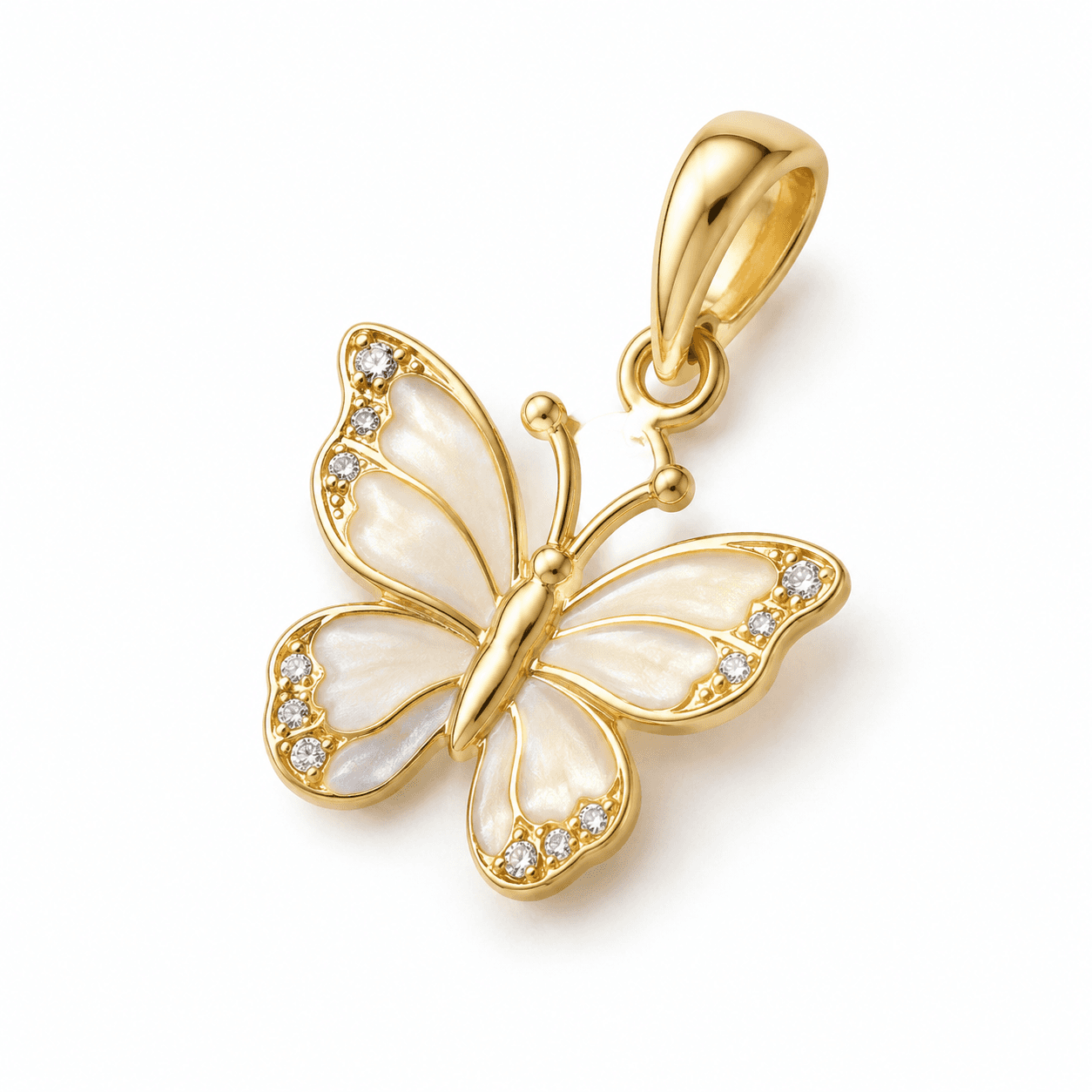
Charm butterfly designs offer jewelry designers a flexible visual language for collections built around movement, nature, personalization, and seasonal storytelling. For B2B development, the most useful styling decisions go beyond the butterfly silhouette: designers should evaluate scale, bail geometry, surface finish, color placement, crystal inlay, enamel filling, and how the charm will sit within a finished jewelry concept.
Lancy Jewelry develops 316L stainless steel charms for boutique brands, private-label buyers, gift programs, and charm bar concepts. This guide explains how to style butterfly motifs, select production details, and prepare practical specifications for OEM charms manufacturer projects, ODM development, and sample development without sacrificing mechanical logic or production consistency.
How to Style a Charm Butterfly by Scale and Silhouette
Build the visual hierarchy first
When planning a charm butterfly collection, begin with silhouette rather than surface decoration. A compact symmetrical wing shape can work as a delicate focal element, while a more open wing profile creates stronger visual movement. For jewelry designers, a practical starting range is approximately 8–18 mm for standalone charms, with the final size selected according to the intended jewelry application. Keep the complete outer silhouette visible in development drawings and confirm that the bail or jump ring is proportionate to the charm body.
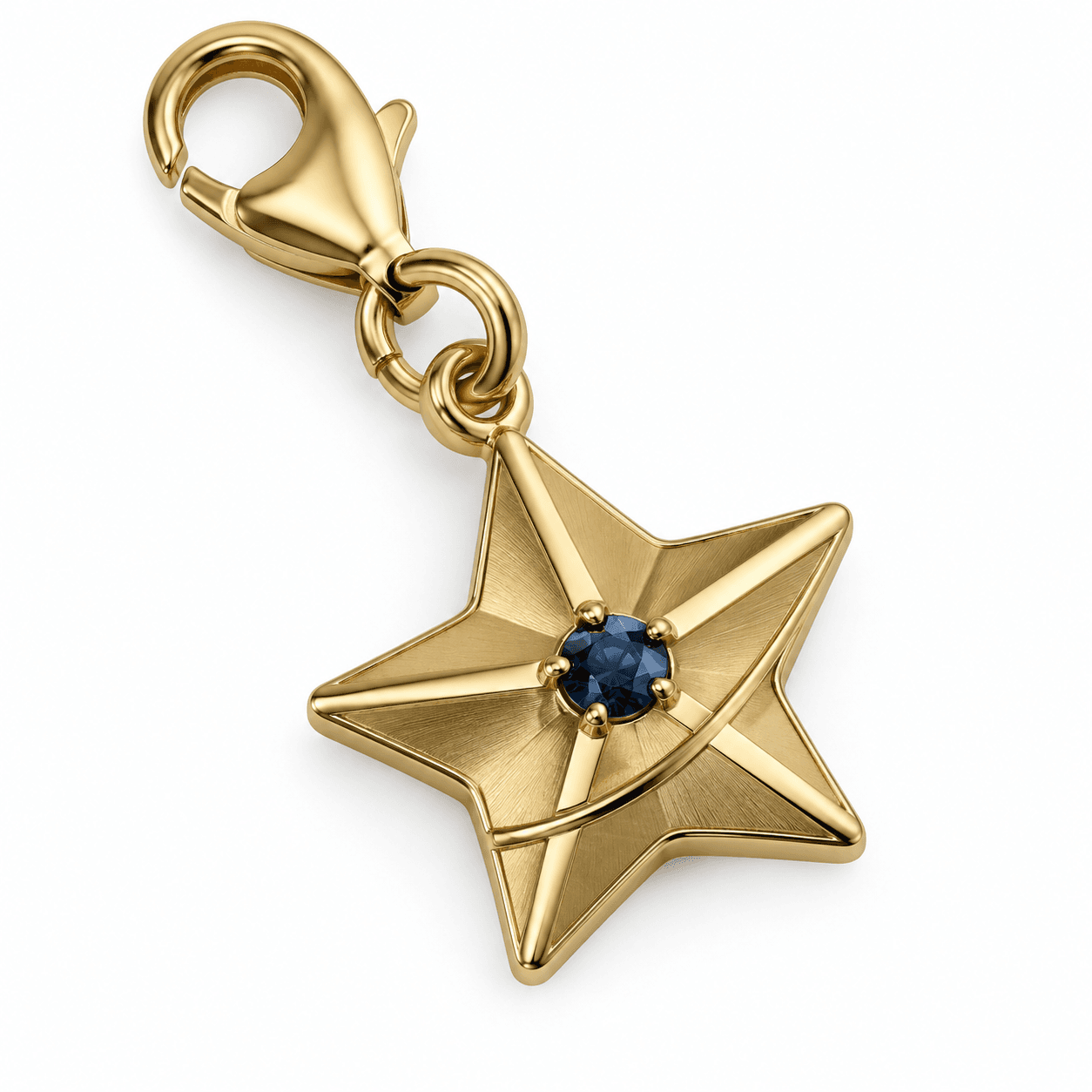
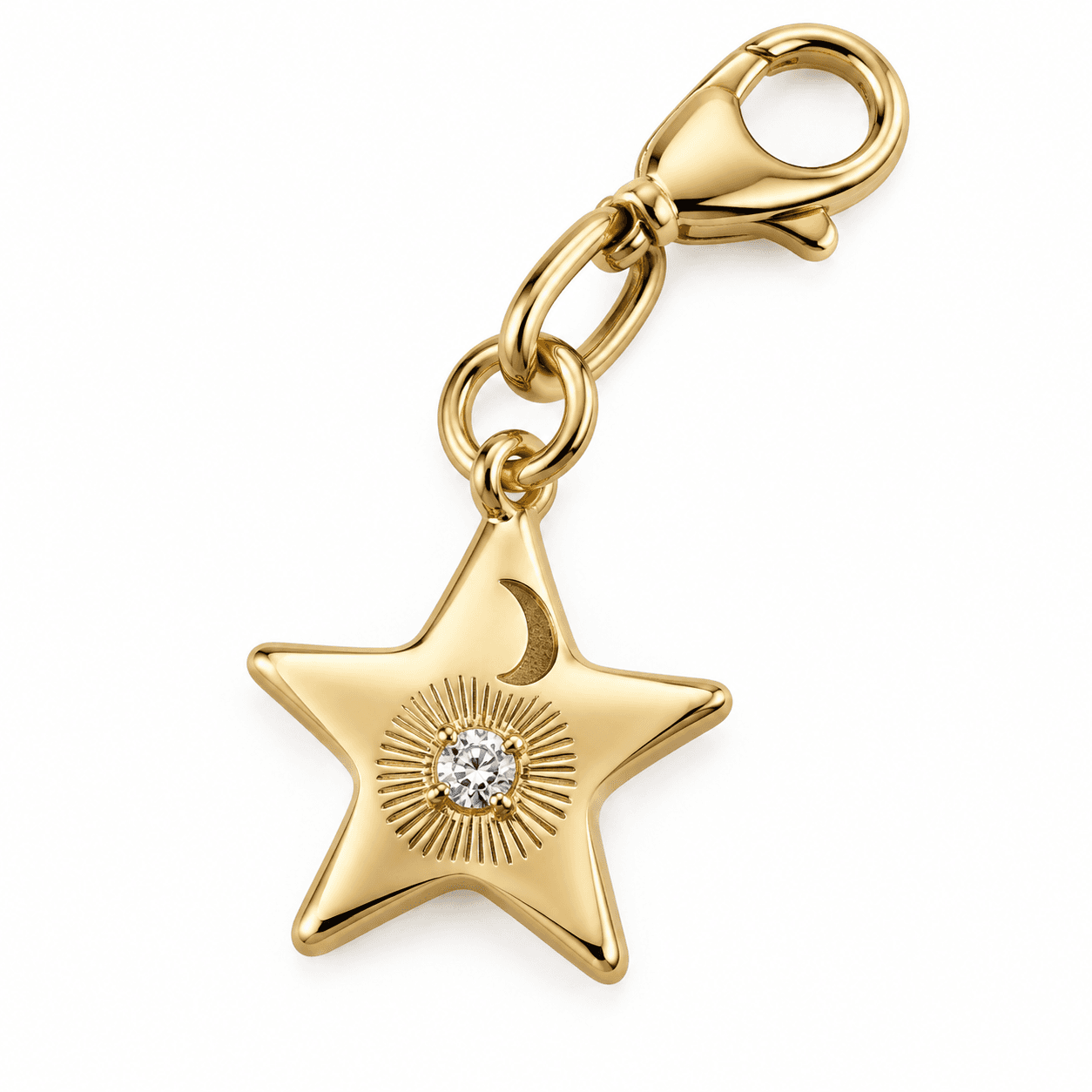
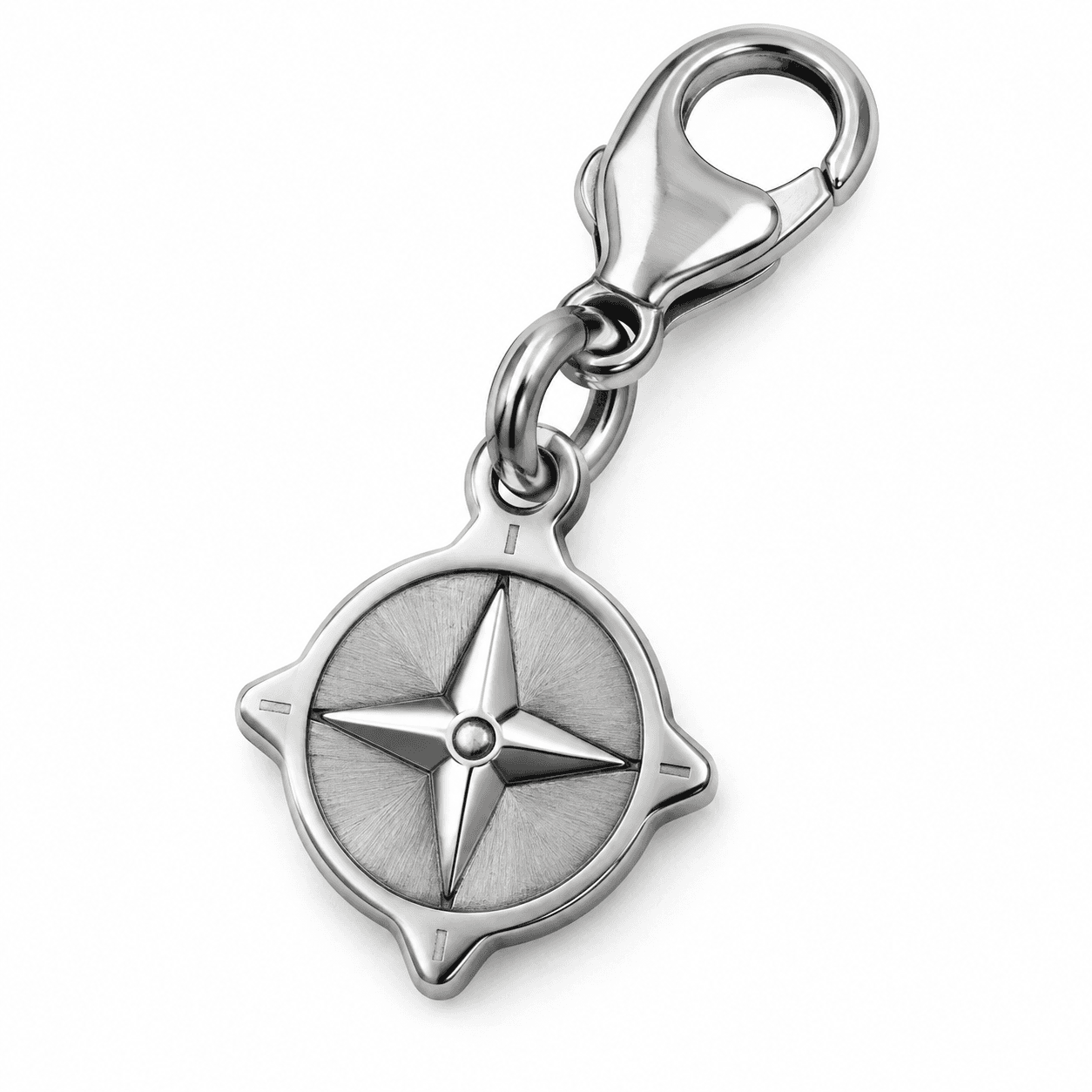
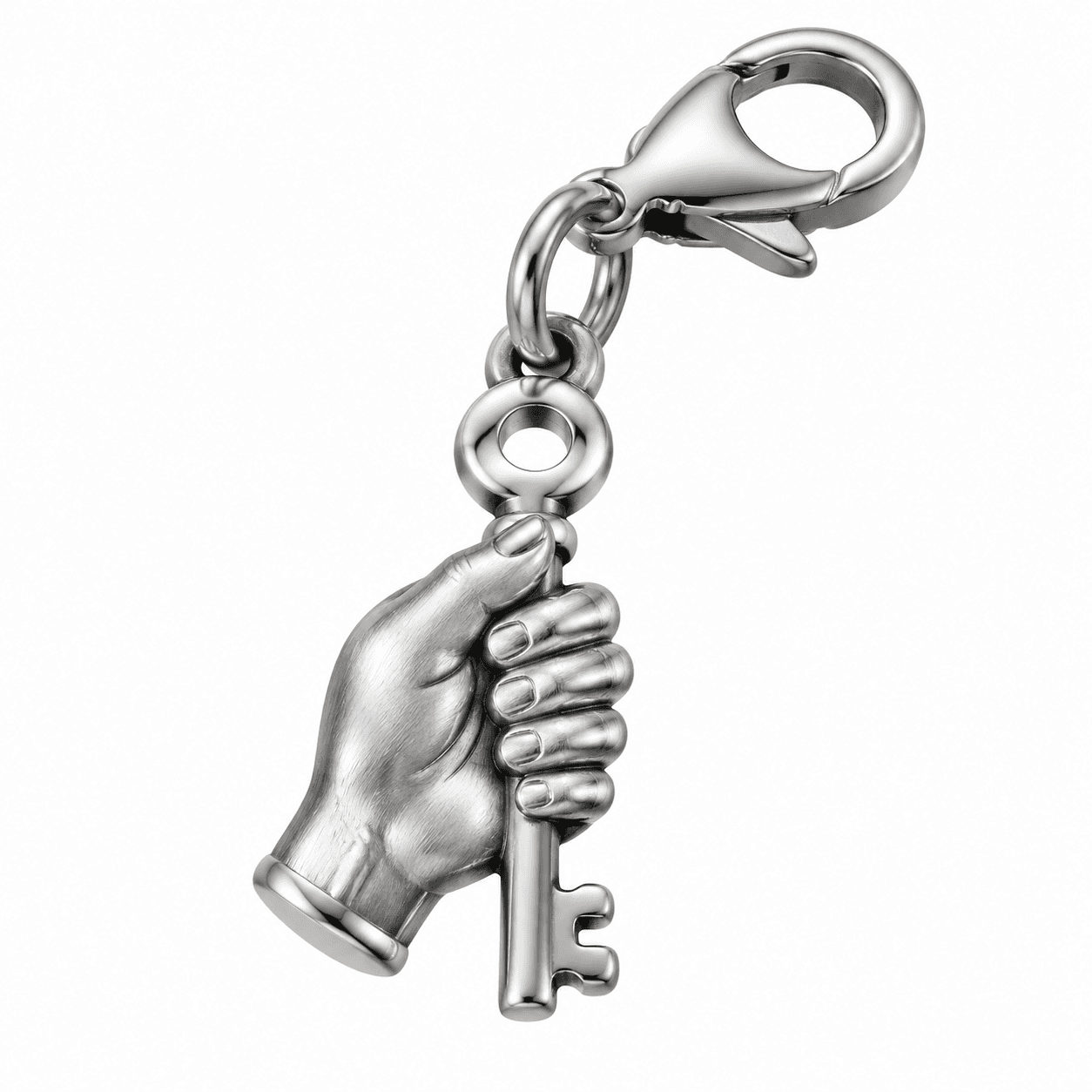
For a coordinated visual gallery, explore three controlled variations rather than many unrelated shapes: a rounded-wing butterfly, a geometric-wing butterfly, and a fine-line open-wing butterfly. This gives a collection recognizable design structure while allowing different styling directions. The attachment point should pass through a real hole or loop, and the connector must remain mechanically plausible when the charm is viewed from the front and side. This is especially important when a design moves from concept art into OEM sampling.
Use finish to change the styling mood
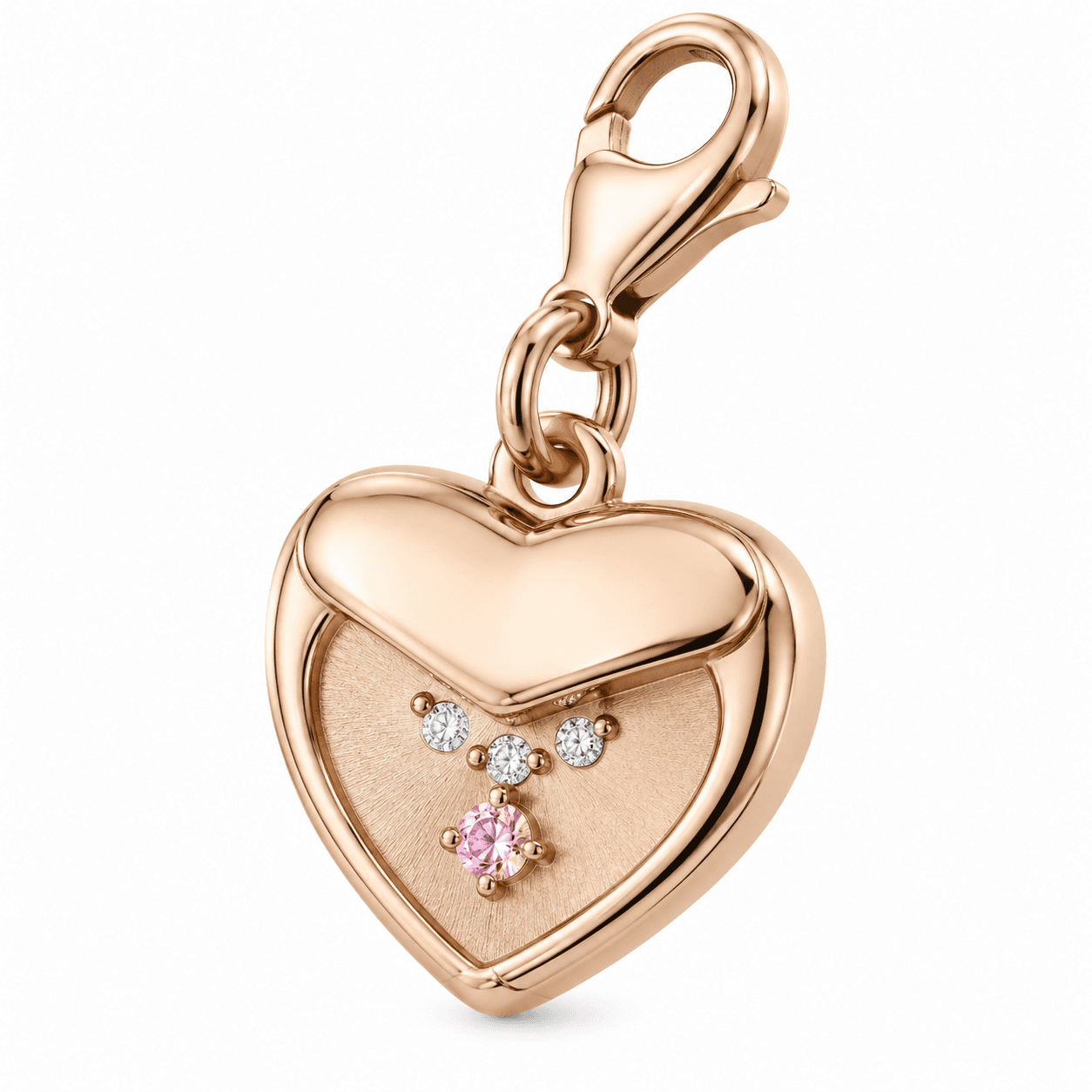
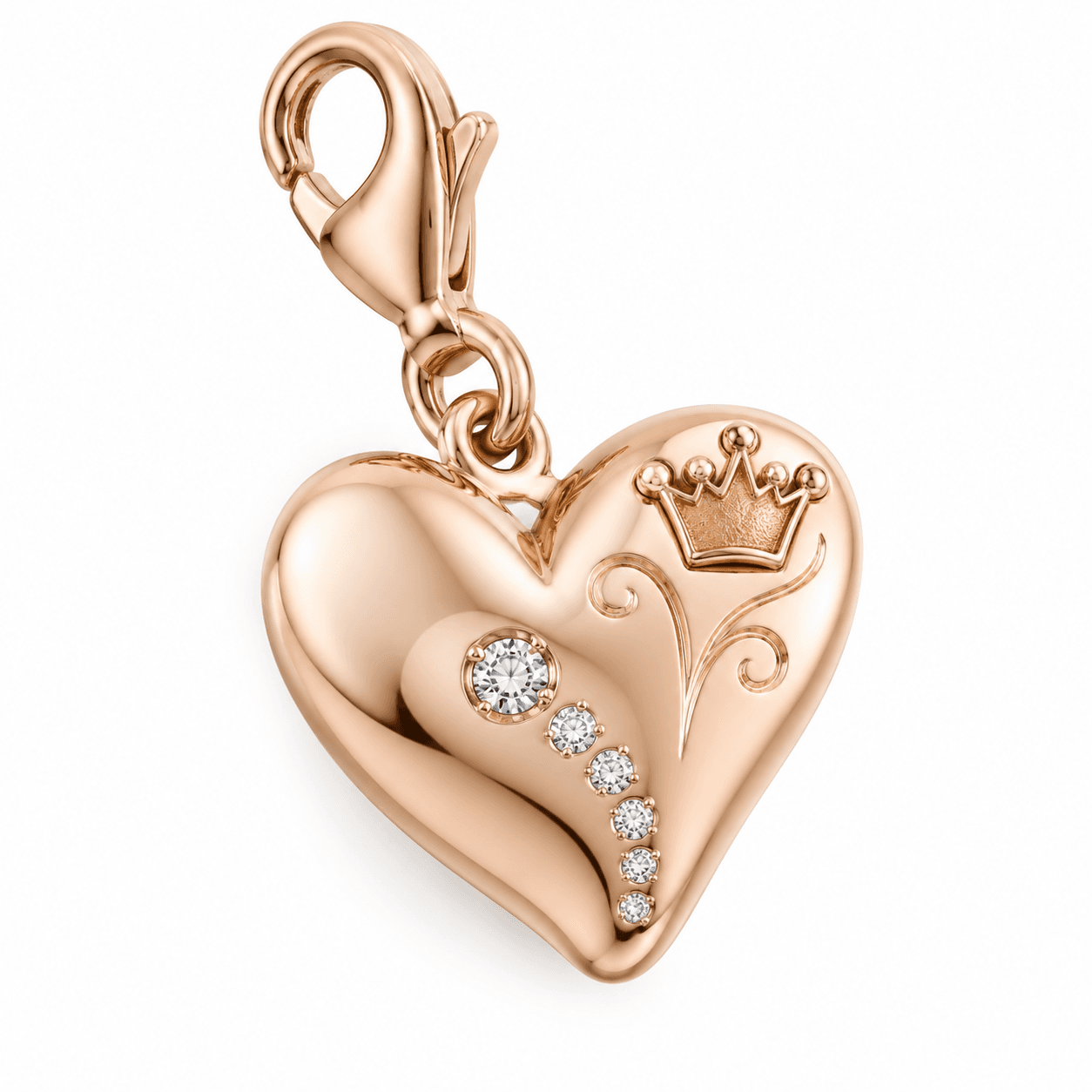
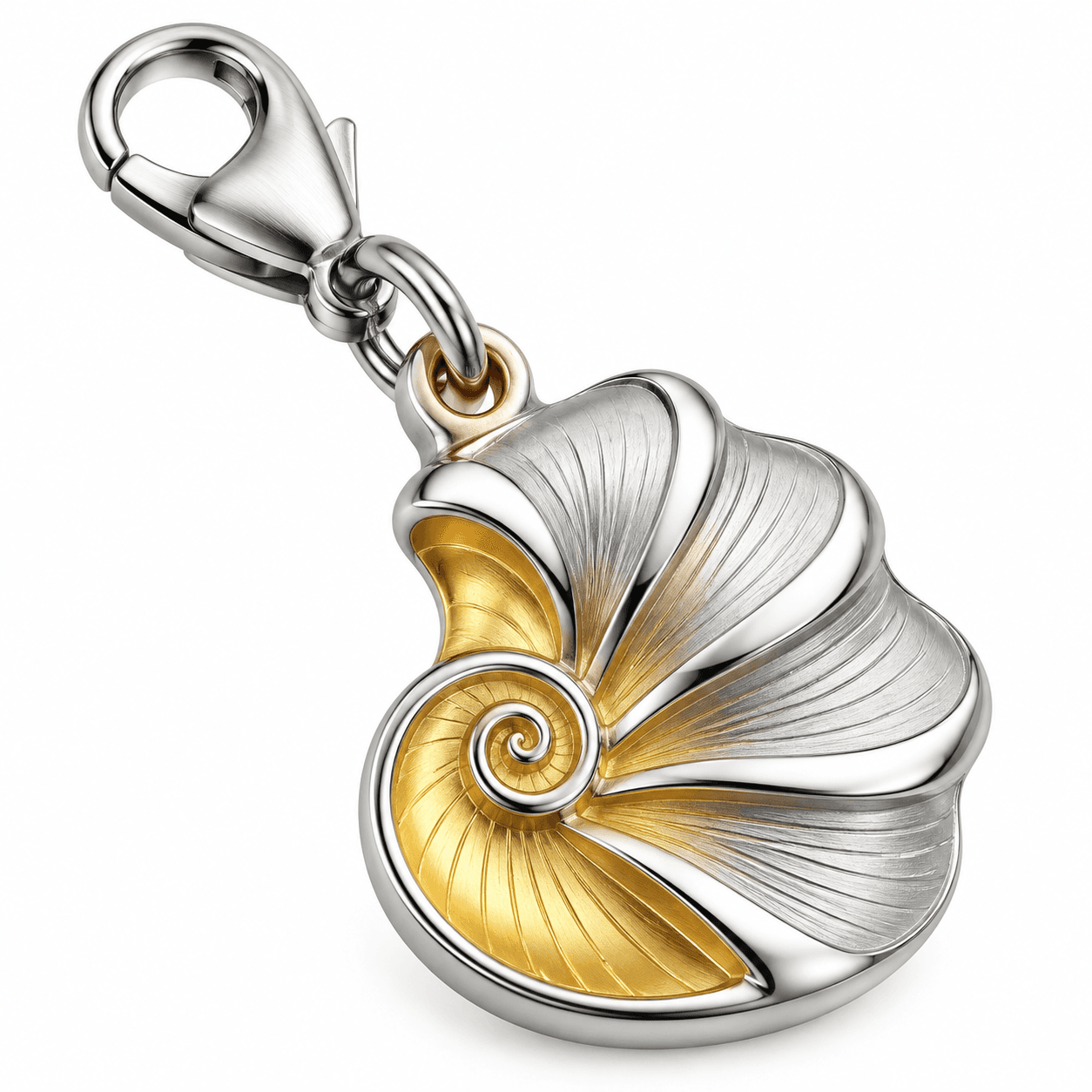
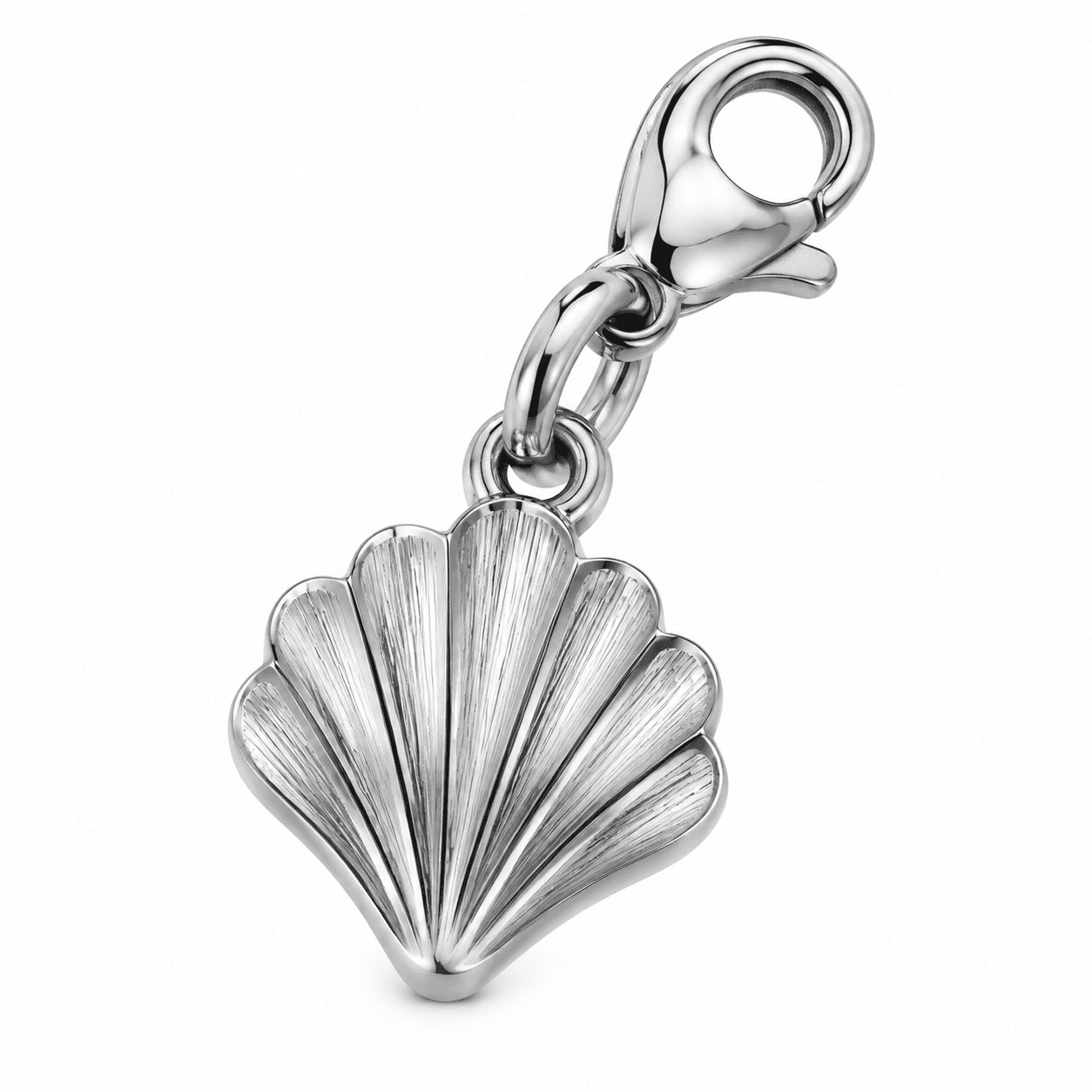
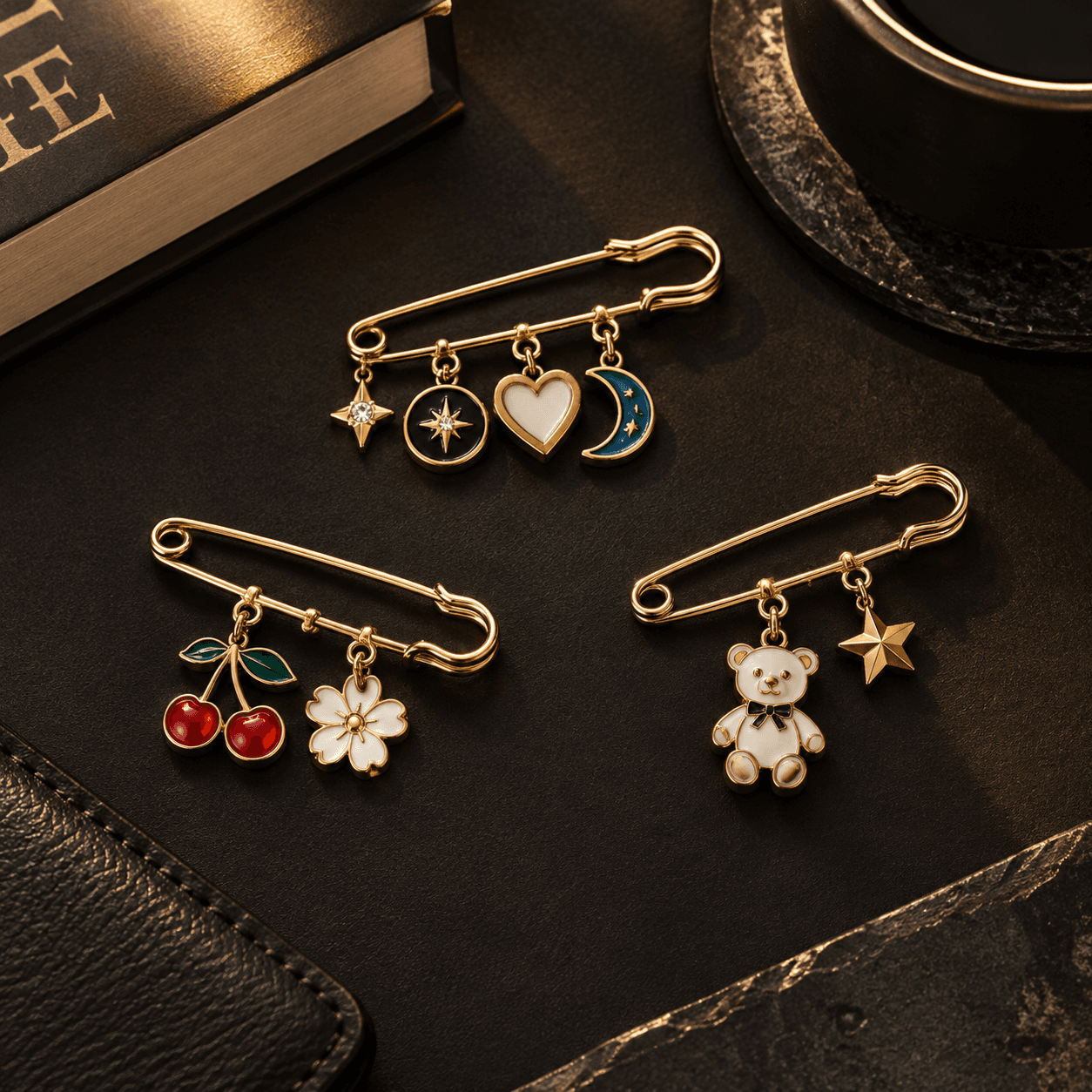
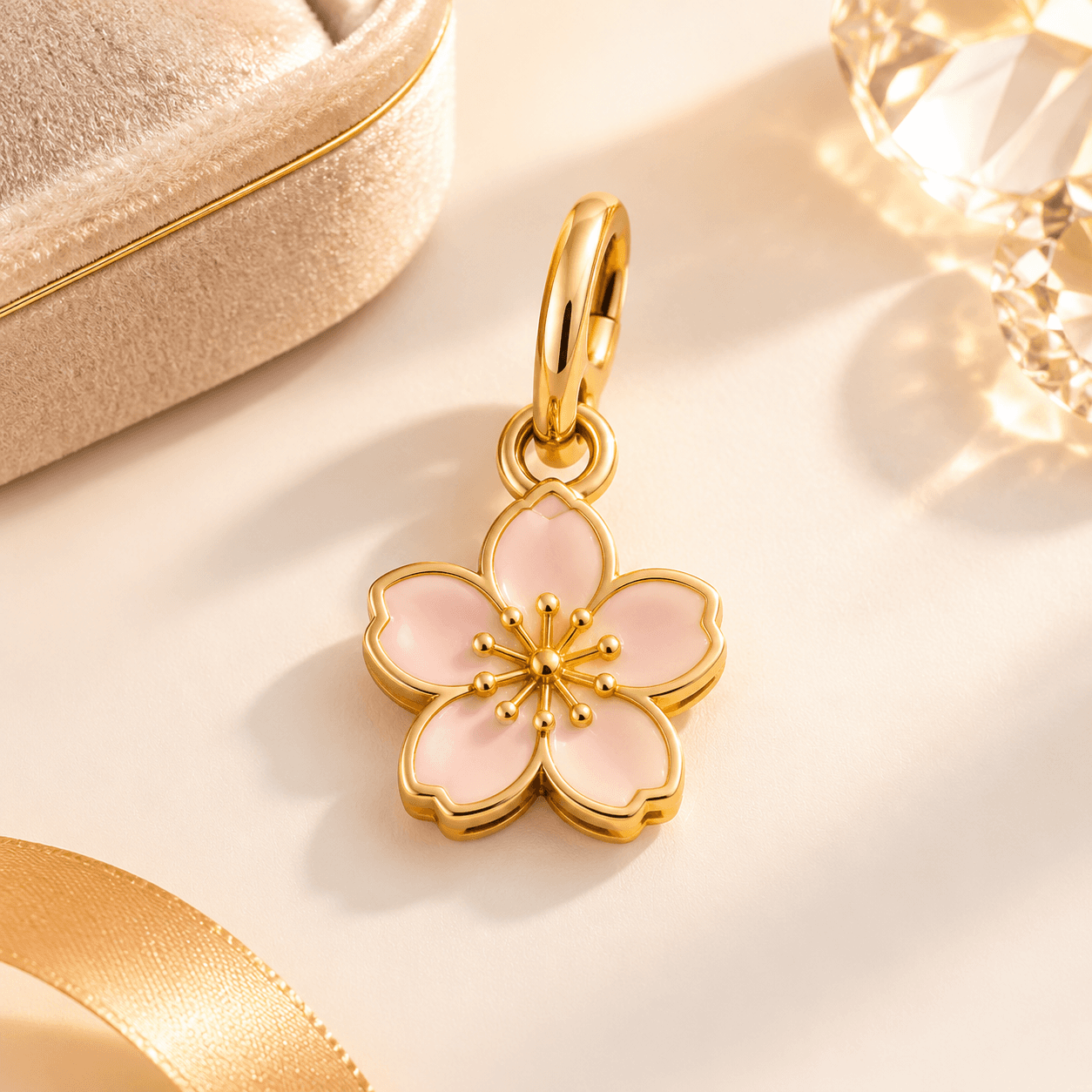
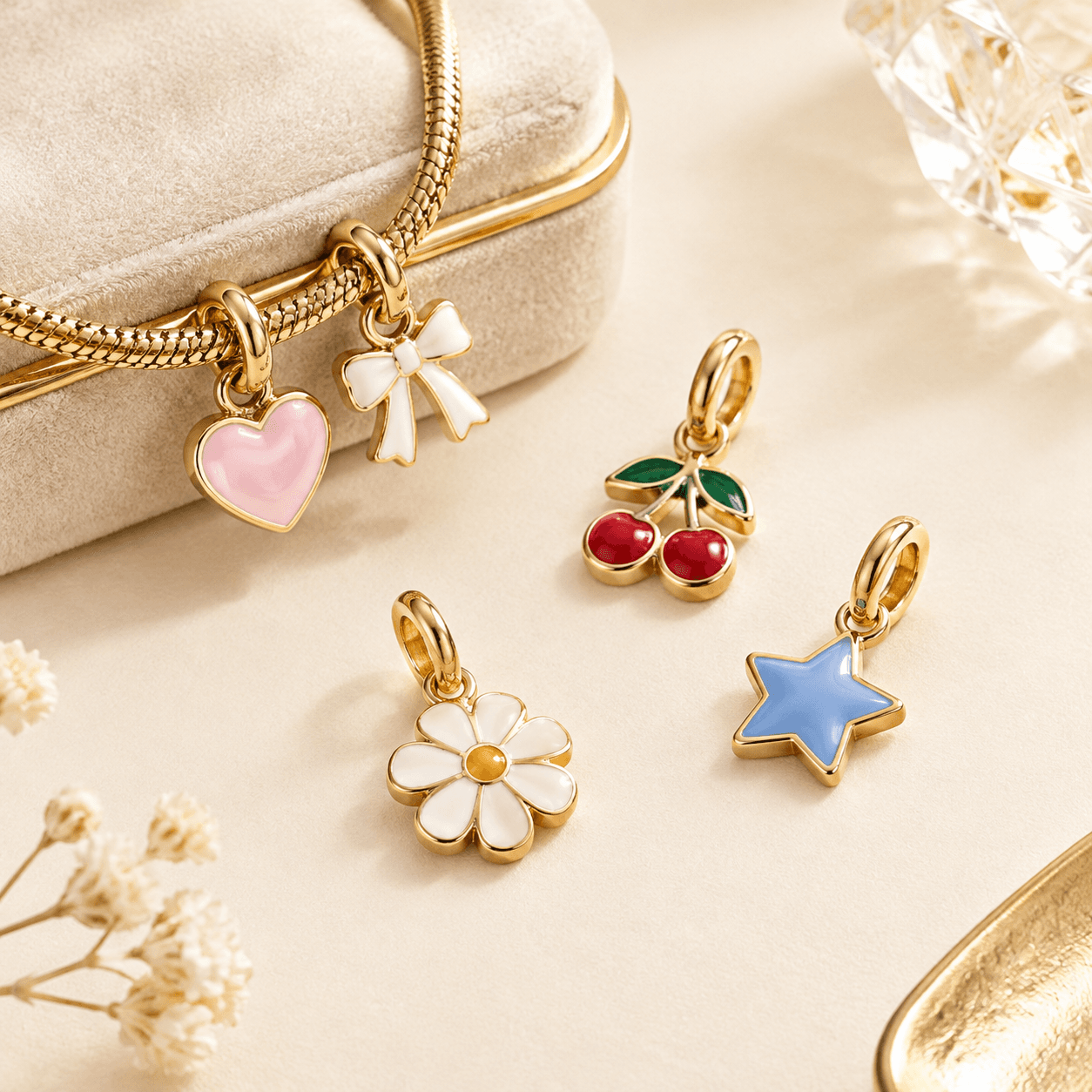
Finish can substantially alter how the same silhouette reads. PVD gold plated surfaces can create a warm boutique appearance, while a silver finish provides a cleaner technical look. Rose gold plating can soften a romantic presentation. Enamel color filling can define wing sections with controlled contrast, while crystal inlay can introduce small points of visual emphasis. For B2B collections, document the intended finish, color placement, surface areas, and attachment dimensions so the approved sample becomes a clear production reference.
Create Coordinated Charm Butterfly Jewelry Stories
Match the motif to a collection theme
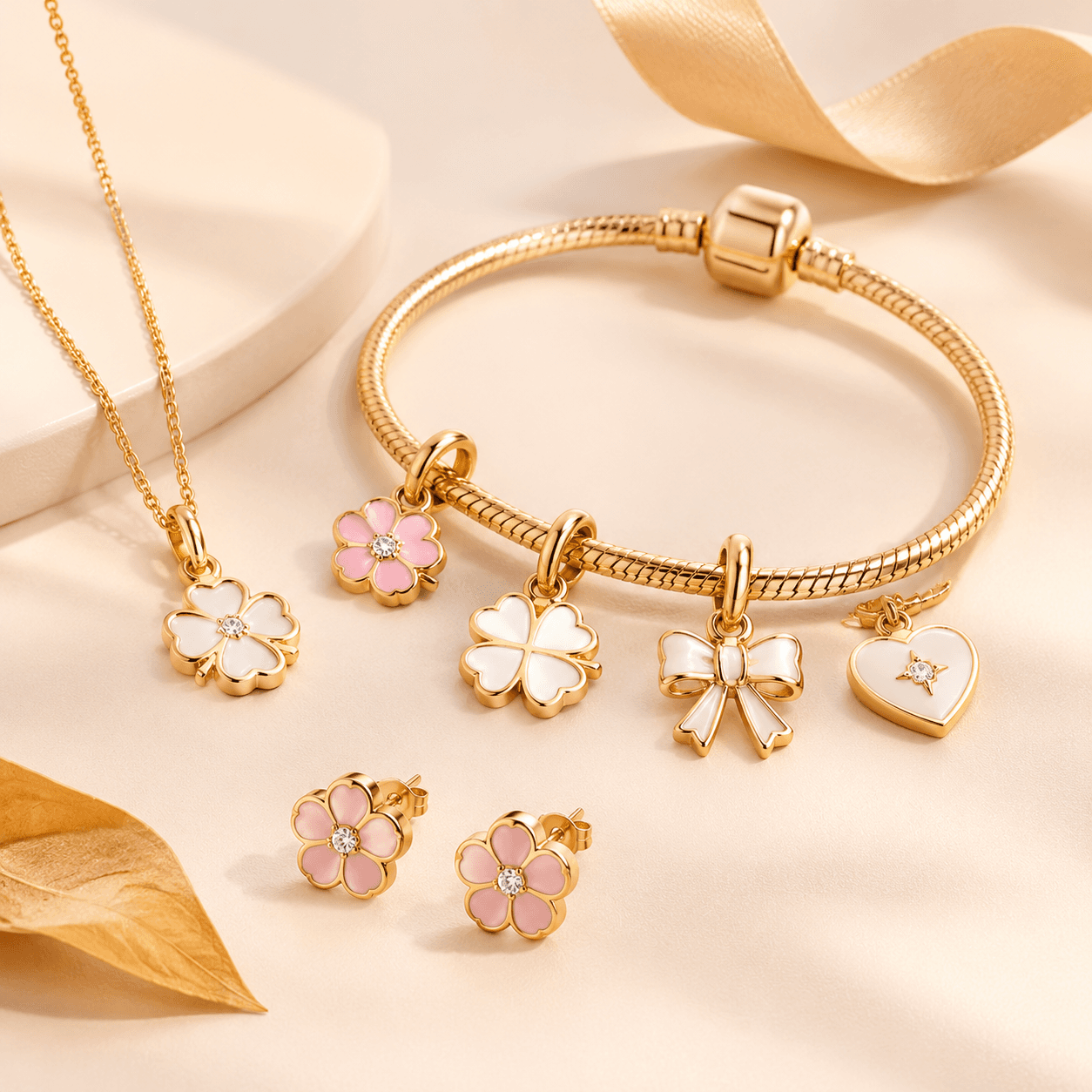
A charm butterfly works particularly well when it is treated as part of a broader visual story rather than an isolated motif. Designers can build a nature-led assortment around butterflies, leaves, flowers, stars, or other approved symbols while keeping the metal construction consistent. A useful styling method is to assign one dominant visual feature to each charm: wing shape, enamel color, engraved detail, or crystal inlay. This prevents a small charm from becoming visually overloaded.
For a boutique-ready series, consider grouping designs into three roles: a signature butterfly, a smaller supporting butterfly, and a detail-oriented version with controlled surface decoration. This structure helps buyers plan necklaces, bracelets, bangles, earrings, anklets, and charm bar assortments without requiring every SKU to carry the same level of decoration. The base material remains 316L stainless steel, while PVD and decorative processes provide the visual variation needed across a collection.
Design for merchandising as well as wear
Styling should also consider how charms appear on packaging cards, display trays, and product photography. A clearly defined silhouette is easier to recognize at small retail scale, while a readable front face supports online catalog presentation. For private-label programs, designers should prepare front-view artwork, approximate dimensions, finish requirements, logo or engraving placement where applicable, and reference colors. These inputs allow a stainless steel charms manufacturer to evaluate tooling, decoration, sampling, and production requirements before a bulk order is confirmed.
Customization Details for 316L Stainless Steel Charm Butterfly Designs
Turn styling ideas into manufacturable specifications
Customization becomes more predictable when the design brief separates structural requirements from decorative requirements. Structural information should include overall dimensions, thickness, hole or loop position, connector requirements, and any edge or relief details. Decorative information should identify the desired finish, enamel areas, crystal inlay locations, engraving artwork, and color references. This distinction helps the development team identify which elements affect tooling and which affect secondary finishing.
316L stainless steel is well suited to detailed charm development because the material provides a consistent foundation for precision-shaped components and decorative finishing. PVD processing can be specified for gold plated or rose gold plating effects, while a silver finish can support a neutral presentation. Enamel filling should be planned with enough separation between color fields to maintain clean edges. Crystal inlay should be positioned where the setting can remain secure and visually balanced within the available surface area.
Prototype before approving the final specification
For an ODM charm supplier workflow, sampling is the point where visual expectations and physical construction are checked together. Review the sample for silhouette accuracy, surface consistency, connector movement, edge quality, color boundaries, plating appearance, and overall proportions. If a logo is included, confirm its scale and placement at the actual production size rather than only reviewing a large artwork file. A documented sample approval can then become the reference for repeat production and quality inspection.
Quality, Certification, and Production Checks for Charm Butterfly Projects
Evaluate the finished charm as a production component
Professional sourcing should assess more than visual appearance. Lancy production can be evaluated through material and finish specifications, dimensional checks, decoration inspection, attachment-point review, and applicable compliance documentation. Buyers may request relevant SGS certification or test documentation covering RoHS, REACH, EN1811, and Salt Spray requirements, depending on the destination market and product program. Certification documents should be interpreted by checking the tested product or material scope, report date, applicable standard, and whether the documentation corresponds to the production specification being purchased.
Salt Spray testing is useful for evaluating corrosion-resistance performance under a defined laboratory test method, but it should not be treated as a universal prediction of every real-world wearing condition. REACH and RoHS documentation addresses different compliance considerations, so buyers should review each report according to its stated scope. EN1811 is particularly relevant where nickel release requirements apply to items intended for prolonged skin contact. A professional B2B quality process connects these documents with the actual 316L stainless steel construction and finishing process.
Prepare a repeatable quality standard
For wholesale stainless steel charms or private-label programs, define acceptance criteria before mass production. Useful checkpoints include charm dimensions, plating appearance, enamel fill consistency, crystal setting security, engraving clarity, hole or bail dimensions, surface defects, and packaging configuration. Lancy supports OEM/ODM development, logo engraving, PVD plating, enamel color filling, crystal setting, private-label packaging, and sample support, allowing buyers to develop a controlled specification from concept through production.
Frequently Asked Questions About Charm Butterfly Design
Start Your Charm Butterfly Development
Prepare a Practical RFQ
To start a charm butterfly project with Lancy Jewelry, send the design artwork or reference drawing, target charm dimensions, intended application, preferred 316L stainless steel finish, enamel or crystal requirements, logo or engraving details, packaging needs, target market, estimated quantity, and desired sample timing. If several designs form one collection, identify the shared design rules so the sampling team can evaluate them as a coordinated series.
For an efficient RFQ, also state your expected MOQ or planned bulk order quantity and any required SGS documentation, including RoHS, REACH, EN1811, or Salt Spray requirements where applicable. Review manufacturing capabilities through OEM Service, browse related options through All Products, or submit your inquiry through Request a Quote. You can also use Contact for project-specific sourcing questions.
A clear brief gives the development team enough information to evaluate structure, decoration, sample development, and packaging from the beginning. This makes it easier to move from a styling concept to a production-ready 316L stainless steel charm specification.
Related resources
Related resources
- Lancy Charms Bar
- Stainless Steel Animal Jewelry Charms Wholesale: Quality Guide
- How to Evaluate 316L Stainless Steel Zodiac Bracelet Charms Wholesale Suppliers
- Custom Stainless Steel Charm Bracelet Tutorial: A Buyer’s Guide to Quality
- The Ultimate ODM stamped 316L stainless steel angel charm customization Buying Guide
- Custom OEM/ODM Guide to Stainless Steel African Jewelry Charms Wholesale
- How to Choose Stainless Steel Enamel Cat Charms Wholesale Suppliers
- 316L Stainless Steel Chinese Zodiac Charms Wholesale: A Finishing Guide
- Guide to Stainless Steel Lucky Charm Inspirational Jewelry Wholesale
- How to Choose Stainless Steel Enamel Charms Wholesale UK Suppliers