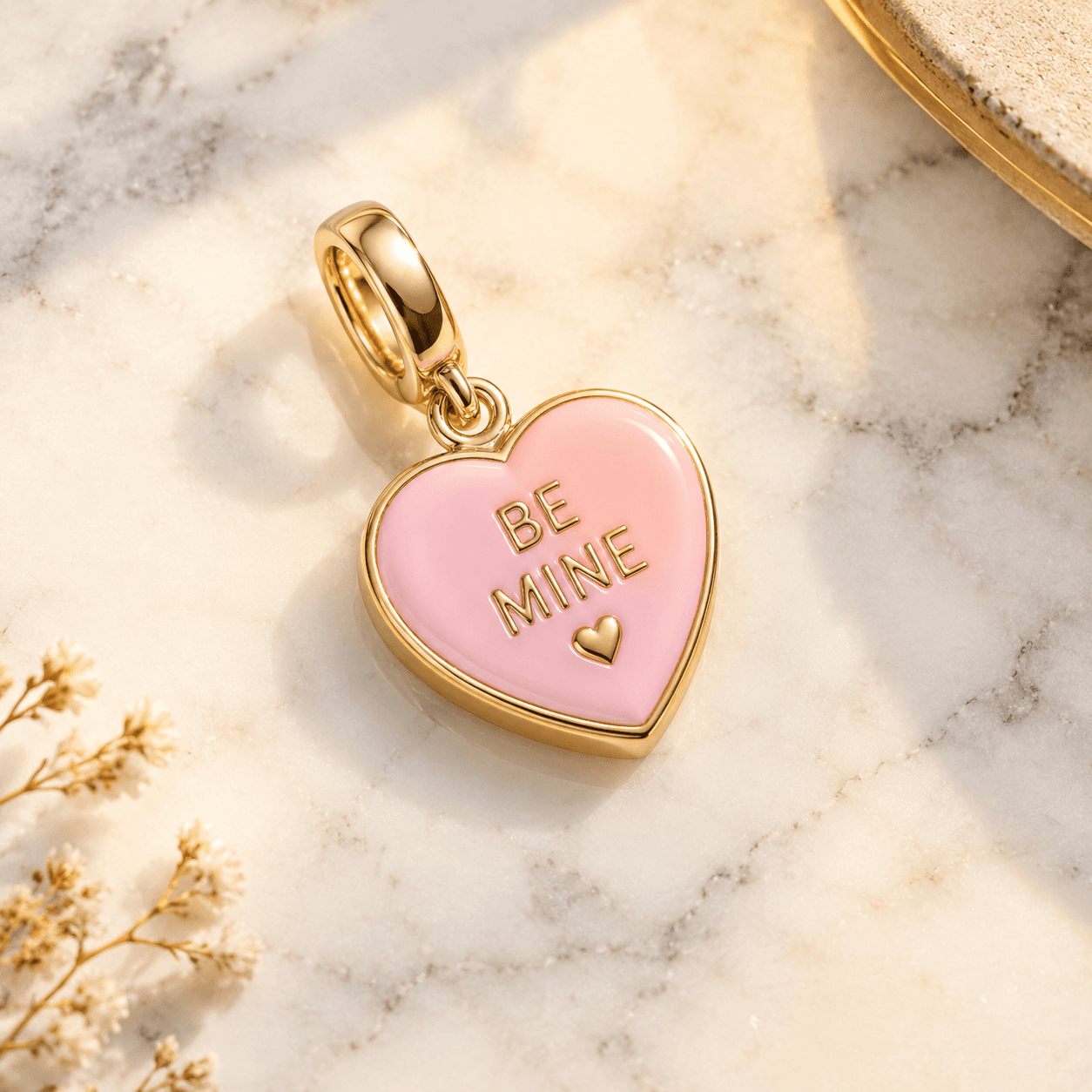
A candy hearts charm combines a familiar heart silhouette with playful color, compact proportions, and short decorative messages to create a distinctive design for jewelry collections, gift accessories, and boutique charm bars. For jewelry designers, the challenge is to balance visual appeal with manufacturability: the heart must remain recognizable at a small scale, lettering must be legible, color placement must be controlled, and the attachment point must support practical everyday use.
This guide explains how to develop a candy hearts charm concept into a production-ready design using 316L stainless steel, enamel color filling, PVD finishes, optional crystal inlay, and carefully engineered attachment hardware. It covers styling principles, material considerations, prototyping decisions, quality evaluation, and commercial planning for boutique brands and private-label buyers. As a stainless steel charms manufacturer, Lancy Jewelry supports OEM and ODM development, custom logo charms, sample development, and wholesale production planning.
Whether you are designing a romantic seasonal assortment or an evergreen collection of colorful heart motifs, the following framework will help you evaluate creative options while keeping production consistency, MOQ requirements, and retail presentation in view.
Candy Hearts Charm Styling: Start With Color, Shape, and Scale
Build a recognizable design before adding decoration
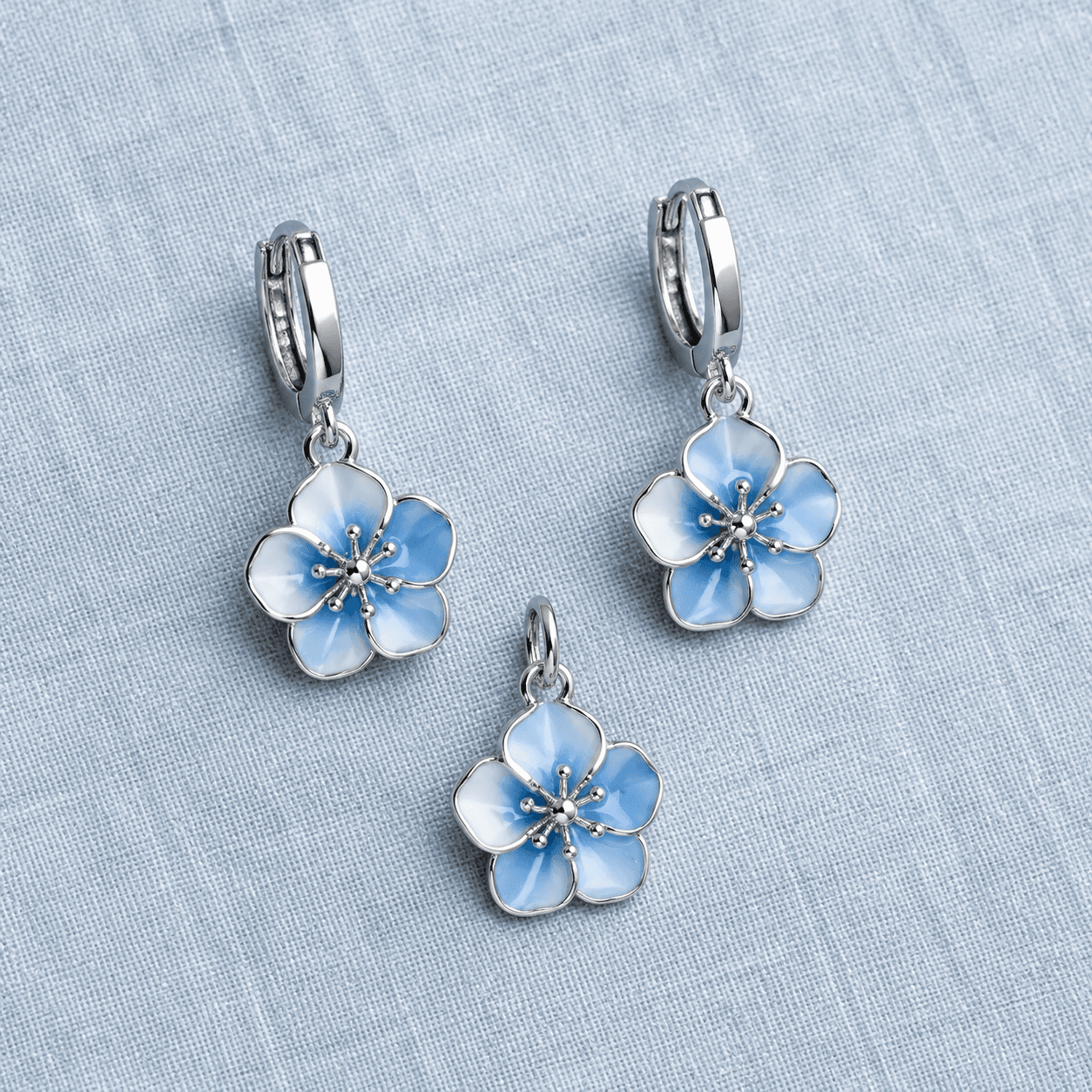
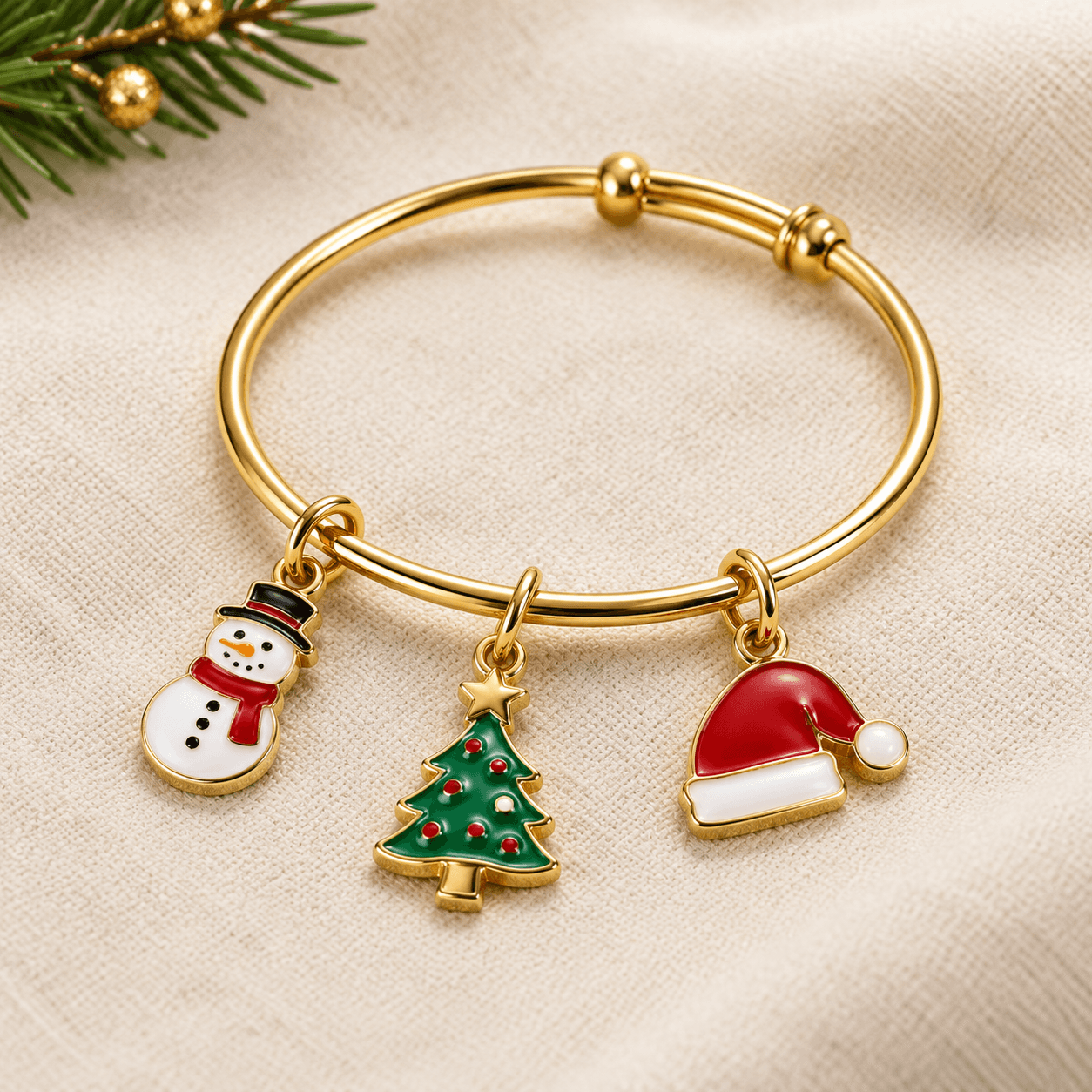
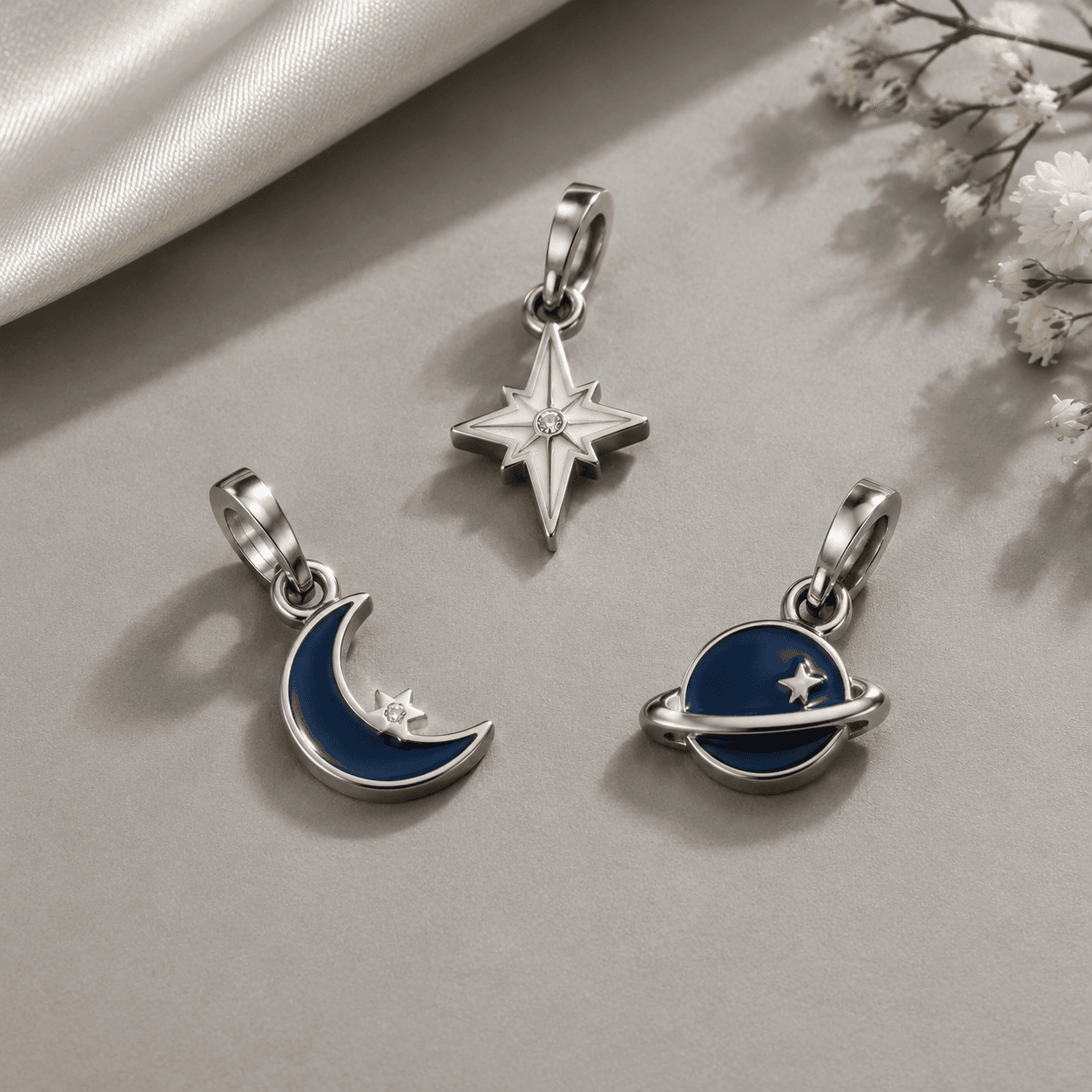
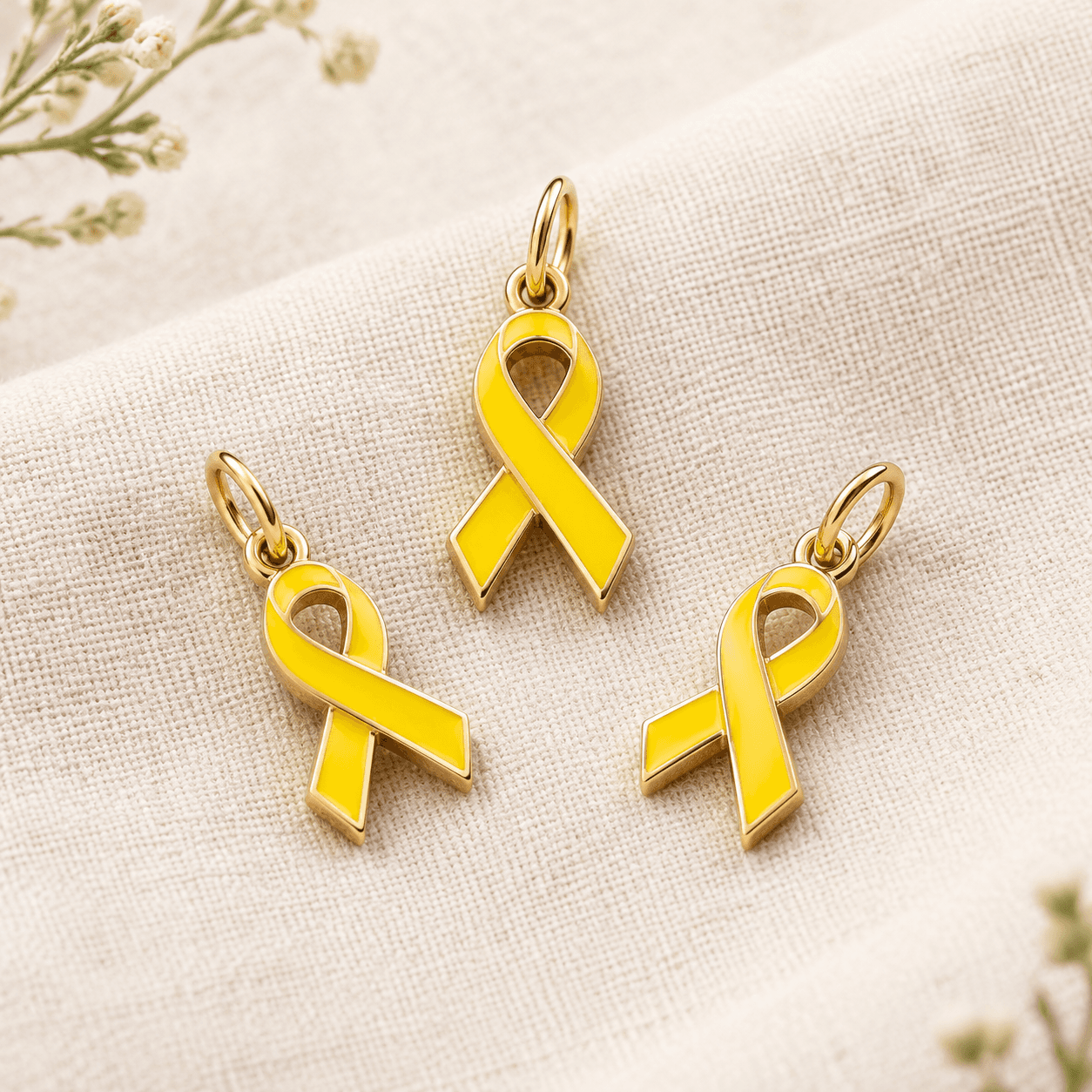
A successful candy hearts charm begins with a clear silhouette. A softly rounded heart, balanced lobes, and a defined lower point create an instantly readable outline. At a typical charm size of approximately 8–18 mm, excessive decoration can make the shape difficult to recognize, so establish the outer contour before introducing lettering, color fields, or surface details. For a candy-inspired visual direction, consider pastel pink, mint, pale blue, lavender, butter yellow, and white enamel against a clean metallic outline. The exact palette should reflect the intended retail audience and the wider collection rather than relying on a single seasonal color trend.
Proportion matters as much as color. Short inscriptions such as LOVE, SWEET, or XOXO can communicate a message quickly, but the available face area determines whether the lettering remains readable. At smaller sizes, use fewer characters, simple letterforms, and sufficient spacing between the text and the outer border. If the design requires a longer message, test a larger face or develop a coordinated group of shorter-message charms instead of reducing the lettering until it becomes difficult to inspect.
Use a repeatable styling framework
- Silhouette: Keep the heart outline balanced and recognizable from a normal viewing distance.
- Color: Choose two or three coordinated colors for a compact assortment, then introduce additional colors through related designs.
- Typography: Prioritize legibility, consistent stroke width, and adequate spacing within the enamel area.
- Finish: Evaluate silver finish, gold plated PVD, or rose gold plating according to the visual contrast required around the heart and lettering.
- Scale: Match the charm dimensions to the intended necklace, bracelet, bangle, earring, or gift-accessory application.
For jewelry designers, a coordinated assortment usually performs better as a designed system than as a collection of unrelated color experiments. Define the common heart shape, border treatment, finish family, and lettering style first. Then vary message, enamel color, or selected decorative details to create meaningful choice without multiplying tooling and approval complexity unnecessarily.
Choose 316L Stainless Steel and Finishes for Candy Hearts Charm Designs
Understand the material and surface system
The base material affects the structure, surface preparation, machining or forming decisions, and final appearance of a charm. Lancy Jewelry focuses on 316L stainless steel charms, providing a consistent material direction for boutique jewelry brands and private-label programs. The selected grade should be confirmed against the purchase specification and applicable material documentation. Material selection alone does not establish the performance of the complete finished charm; surface treatment, enamel processing, connector design, workmanship, and intended conditions of use also influence the final result.
316L stainless steel is valued in jewelry manufacturing for its corrosion resistance and suitability for small decorative components. Its performance depends on the alloy composition, fabrication history, surface condition, and exposure environment. For a candy hearts charm, designers should consider the relationship between the exposed metal border and the colored face. A smooth, consistent border can help define the heart silhouette, while an uneven edge, visible residue, or inconsistent polish may distract from the design. Specify the intended surface appearance with reference images and written acceptance criteria rather than relying on general descriptions such as shiny or premium.
Match the finish to the design objective
- Silver finish: Provides a clean metallic frame that works well with pastel enamel and multicolor assortments.
- Gold plated PVD: Creates a warmer appearance and can make pale pink, cream, and red enamel stand out visually.
- Rose gold plating: Offers a softer tonal direction for romantic designs and coordinated gift collections.
- Enamel color filling: Adds defined color areas, but requires controlled filling, curing or processing as appropriate, and careful inspection of edges and color consistency.
- Crystal inlay: Can introduce a focal detail when the design has sufficient space and the setting can retain the component securely.
PVD is a surface-coating process, not a change to the underlying base material. Buyers should specify the desired color, surface appearance, wear expectations, and any applicable test criteria. Gold plated and rose gold finishes should be evaluated on production-representative samples because visual tone can vary with process parameters and the underlying surface. For enamel, approve color references under consistent lighting and assess the relationship between the filled areas and the surrounding metal. A written finish specification helps reduce ambiguity during repeat orders.
When requesting custom stainless steel charms, ask for the base-material specification, finish description, sample approval procedure, and available test documentation. These details provide a more useful technical foundation than appearance alone and make it easier for design, sourcing, and quality teams to assess the same product against consistent requirements.
Develop Candy Hearts Charm Variations for Jewelry and Boutique Styling
Create coordinated designs with controlled variation
A candy hearts charm can be styled as a single focal accent or as part of a broader assortment. For a necklace concept, a slightly larger heart may provide enough face area for a short message. For a bracelet or bangle collection, compact hearts with restrained lettering and a secure attachment loop can create a more balanced appearance. Earrings and coordinated jewelry sets may benefit from simpler motifs with limited surface decoration, particularly when the finished pieces need to remain visually light. The charm should remain the principal designed component; the surrounding jewelry is the application context, not a reason to obscure the charm's outline or functional attachment.
Designers can organize variations by message, enamel color, finish, or decorative treatment. A pastel group might use pale blue, lavender, and pink with a silver finish, while a warmer group could combine cream, coral, and pink with gold plated PVD. Another option is to keep the outer shape and finish consistent while changing only the lettering. This approach makes the collection easier to merchandise and helps the factory maintain common dimensions and processing requirements across related SKUs.
Plan a collection around a clear design architecture
- Core designs: Select a small number of recognizable heart shapes that can anchor the assortment.
- Message variations: Limit the first round of inscriptions to short, legible words and symbols.
- Color families: Establish a defined palette with approved enamel references for repeatability.
- Finish families: Keep metallic finishes consistent within each visual group unless a deliberate contrast is part of the design.
- Decorative options: Add crystal inlay or additional surface detailing only when it improves the composition and remains practical to manufacture.
For gift companies and charm bar retailers, modular variation can simplify assortment planning. A shared heart outline with several approved color and message options can support a coherent display without requiring every item to have an entirely different geometry. For private-label buyers, this can also help organize packaging, product identification, and replenishment. The best assortment size depends on sales expectations, available investment, design complexity, and the factory's minimum order requirements for each variation.
Consider the final presentation early. A charm displayed on a neutral packaging card should have enough visual contrast to remain clear at a glance. Avoid adding so many decorative elements that the message becomes secondary. If the assortment is intended for a boutique charm bar, review how each heart looks individually and beside the other proposed colors. If the design is intended for a gift program, assess whether the message, finish, and packaging communicate the intended occasion without limiting the item to a short selling period.
From Sketch to Sample: Custom Candy Hearts Charm Prototyping
Turn the design brief into a manufacturable specification
Sample development is the stage where a creative concept becomes a physical product that can be evaluated for appearance, attachment function, and production feasibility. Start with a dimensioned sketch or a clear reference drawing showing the front outline, overall width and height, thickness, border width, lettering, enamel zones, and attachment location. Identify the required base material as 316L stainless steel and state the intended surface finish. If the charm includes a jump ring, bail, or other connector, show how the hardware passes through the actual hole or loop. The attachment must be mechanically plausible, closed where required, and proportionate to the charm's weight and intended use.
Before sampling, review whether the smallest letters and narrowest enamel channels can be produced consistently. Extremely fine lettering, sharp internal corners, tiny isolated color areas, and thin metal bridges may create manufacturing challenges. Increasing the available face area, simplifying the inscription, or widening a narrow border can improve legibility and process control. A factory design review should identify these issues before sample production rather than after a full order has been committed.
Recommended sample approval sequence
- Confirm the brief: Approve dimensions, front and back details, material, finish, attachment design, and intended application.
- Review technical feasibility: Check lettering size, enamel boundaries, edge geometry, hole placement, and hardware clearance.
- Evaluate the first sample: Inspect silhouette, proportions, surface finish, color placement, lettering, and attachment function.
- Record revisions: Document the requested changes using marked-up drawings, photographs, dimensions, and named color references.
- Approve a controlled sample: Confirm the final appearance and functional details in writing before authorizing bulk production.
Sample approval should include both visual and functional checks. Inspect the front face under consistent lighting, then review the back, edges, connector opening, and any contact surfaces. Check that the enamel is evenly filled, that the border remains defined, and that there are no obvious burrs, sharp edges, or loose decorative components. For designs with crystal inlay, assess the security of the setting and inspect the surrounding surface for damage. The acceptance criteria should reflect the product's construction and intended use rather than an arbitrary universal standard.
Lancy Jewelry supports OEM and ODM development, custom logo charms, finish selection, enamel color filling, crystal setting, and private-label packaging planning. To keep sample development efficient, consolidate feedback into one revision list and distinguish essential corrections from optional aesthetic preferences. Confirm sample lead time, sampling charges if applicable, tooling implications, and the point at which design changes may affect cost or MOQ. A clear approval record gives the design team and production team a shared reference for subsequent orders.
Quality Control, Compliance Documents, and Repeat-Order Consistency
Define quality before production begins
Quality evaluation for a candy hearts charm should cover the complete finished product, not just the appearance of the front face. A practical inspection plan includes dimensions, silhouette symmetry, surface condition, finish color, enamel fill, lettering legibility, connector geometry, and packaging presentation. Buyers should establish which characteristics are critical, which are cosmetic, and which can be assessed through sampling. Where a collection includes multiple colors or finishes, specify whether each variant requires separate approval and how color differences will be evaluated across production lots.
Surface durability and corrosion-related performance depend on the base material, manufacturing process, coating system, handling, and test conditions. A salt spray result, for example, is meaningful only when the method, exposure duration, acceptance criteria, and evaluated surface are documented. Likewise, coating adhesion and appearance should be checked using a suitable agreed method. Enamel inspection should consider fill completeness, edge cleanliness, visible bubbles or defects, and color uniformity. For charms with crystal inlay, include a suitable retention and handling check based on the construction.
Understand the role of testing and certification
Buyers may request documentation relating to SGS testing or reports covering RoHS, REACH, EN1811, and salt spray performance, depending on the product, market, and applicable requirements. These terms do not all describe the same kind of evidence. RoHS concerns restrictions on specified hazardous substances within its applicable scope; REACH addresses chemical requirements and obligations under the relevant EU framework; EN1811 is a test method associated with nickel release from certain articles intended for direct and prolonged skin contact. Salt spray testing evaluates corrosion behavior under defined laboratory conditions and is not, by itself, proof of long-term performance in every use environment.
Do not assume that a factory, material, or product is compliant merely because a test name appears on a quotation or product sheet. Request the actual report or supporting document and check the product description, tested sample, material or finish covered, issuing laboratory, report date, method, and stated results. Confirm whether the document applies to the proposed finished charm and the destination market. Where legal requirements or customer specifications apply, the buyer should verify the current scope and acceptance criteria with the relevant compliance specialist or testing provider. SGS is a testing and inspection organization; any claim of SGS testing should be supported by applicable documentation rather than presented as an automatic certification of every item.
Build a repeatable inspection checklist
- Verify material and dimensions against the approved specification.
- Compare the finish and enamel colors with the signed sample and agreed references.
- Inspect front and back surfaces, edges, lettering, and decorative details for visible defects.
- Check connector dimensions, closure, attachment integrity, and intended functional movement.
- Review relevant test reports and traceability records where required by the order.
- Confirm packaging, labeling, quantity, and SKU identification before shipment.
Repeat-order consistency improves when the approved sample, drawing, color references, inspection limits, and packaging specification are retained as controlled production references. Buyers should also agree how any proposed material, process, finish, or component change will be reviewed before implementation. This process is especially useful for wholesale stainless steel charms and private-label programs that require multiple colors or recurring replenishment orders.
Wholesale and Private-Label Planning for Candy Hearts Charm Collections
Connect design decisions with commercial requirements
A technically successful sample must also fit the buyer's assortment plan, budget, and replenishment strategy. Before requesting a quotation, estimate the number of designs, color variants, finish options, and units required per SKU. A collection with many small variations may increase sample reviews, production changeovers, quality checks, and packaging complexity. A more focused initial assortment can make it easier to validate customer response before expanding the range. For boutique brands, gift companies, and charm bar retailers, the aim is to offer enough variety to create a compelling display while keeping the product specification manageable.
MOQ should be discussed at the SKU and process level rather than treated as a universal quantity. The required minimum can vary with design complexity, enamel colors, finish selection, tooling, packaging, and production planning. Ask whether multiple color variants can share a common base design, whether different messages require separate tooling or setup, and whether private-label packaging has its own minimum quantity. Clarify whether quoted quantities refer to each design, each finish, each color, or the combined order. This avoids a situation in which a collection appears commercially viable in aggregate but individual variants fall below the factory's production requirements.
Prepare a practical sourcing brief
- Product scope: State the number of heart designs, message variations, dimensions, and intended applications.
- Material: Specify 316L stainless steel as the base material for every charm.
- Finish and color: Identify silver finish, gold plated PVD, rose gold plating, enamel colors, and any crystal inlay requirements.
- Customization: Provide artwork, lettering, logo placement, back details, and attachment requirements.
- Quantity: Estimate sample quantities, initial bulk orders, and expected reorder volumes by SKU.
- Packaging: Define display cards, individual packing, brand marks, labeling, and carton requirements.
- Quality: List required inspections, test documentation, market-specific compliance needs, and acceptance criteria.
- Schedule: Give target sample approval and shipment dates, including time for revisions and testing.
A stainless steel charms manufacturer can provide a more useful quotation when the design and commercial assumptions are explicit. Ask for itemized costs where applicable, including sample development, tooling, finish or color setup, packaging, and production quantities. Clarify the expected sample timeline and bulk lead time after final approval, as well as how revisions affect the schedule. For international sourcing, specify the destination country and whether any particular test reports, labeling details, or packaging information are required by the buyer.
Lancy Jewelry supports OEM and ODM development for private-label charms, including logo engraving, PVD plating, enamel color filling, crystal setting, and packaging coordination. These capabilities can help buyers translate a design brief into a coherent collection, but the final scope, MOQ, lead time, and price should be confirmed for the specific specification. The most efficient sourcing process starts with a focused assortment, a clear approval sample, and documented quality requirements that can be reused for repeat production.
Candy Hearts Charm Design and Sourcing FAQs
Start Your Custom Candy Hearts Charm Development
Ready to turn a candy hearts charm concept into a manufacturable collection? Share your artwork, dimensions, preferred enamel colors, finish requirements, attachment design, and intended application with Lancy Jewelry. Our team can review the brief for 316L stainless steel construction, OEM or ODM customization, sample development, and private-label packaging options.
For an efficient RFQ, include the estimated quantity for each design and color, target MOQ, destination market, required test documentation, packaging specifications, and preferred sample and delivery schedule. If you have reference drawings or a physical sample, provide clear front, back, and side views with measurements. Identify which details are mandatory and which can be adjusted to improve manufacturability or cost.
Use the OEM Service page to explore custom manufacturing support, or visit Contact to discuss your project. You can also submit an inquiry through Request a Quote. A complete brief helps the team assess feasibility, clarify MOQ and sample requirements, and recommend a practical path from initial design to approved bulk production.
Related resources
Related resources
- Custom Stainless Steel Charm Bracelet Tutorial: A Buyer’s Guide to Quality
- How to Choose Durable Stainless Steel Charms for Cross-Border E-Commerce
- Stainless Steel Small Enamel Charms Bulk: A Finishing Guide
- How to Evaluate 316L Stainless Steel Zodiac Bracelet Charms Wholesale Suppliers
- The Ultimate ODM stamped 316L stainless steel angel charm customization Buying Guide
- 316L Stainless Steel Zodiac Charms Wholesale: Quality Checklist
- Stainless Steel Animal Jewelry Charms Wholesale: Quality Guide
- Custom OEM/ODM Guide to Stainless Steel African Jewelry Charms Wholesale
- 316L Guide to Stainless Steel Best Wholesale Charms for Jewelry
- Antique Distressed Finish on Stainless Steel Charms: A Buyer’s Guide to Durability