For product developers and sourcing teams in the boutique charm sector, material performance under real-world usage is essential. Beaded car charms built on 316L stainless steel require a clear understanding of alloy basics, plating stability, and assembly considerations. This practical guide translates material science into actionable steps for prototyping, testing, and managing OEM/ODM programs for private-label initiatives. It emphasizes how a reliable stainless steel charms manufacturer can support private-label or wholesale programs from concept through packaging.
316L Material Foundation: The Base You Can Trust
316L stainless steel is selected as the base material for car charms because of its corrosion resistance, formability, and support for high-sheen finishes. The alloy is an austenitic steel with a low carbon content, which helps minimize carbide precipitation during welding or laser processing and supports stable, uniform plating. For product developers, this foundation translates to predictable machining, robust surface integrity, and enduring aesthetics when applying PVD coatings, enamel fills, or crystal inlays. When you design a beaded exterior with micro-texture, the 316L substrate should maintain structural integrity across repeated handling and multi-region packaging.
Bead Texture, Geometry, and Finish Options
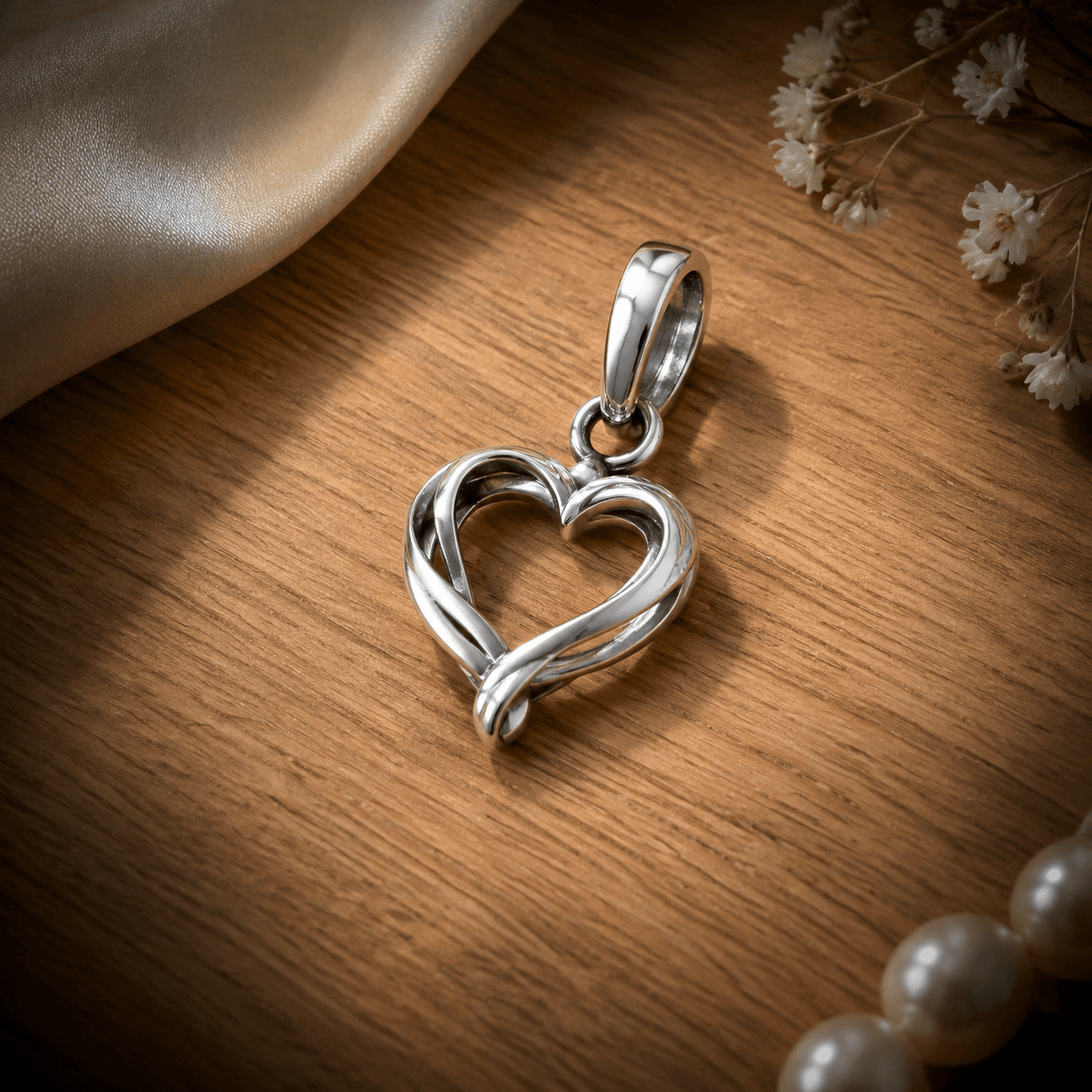
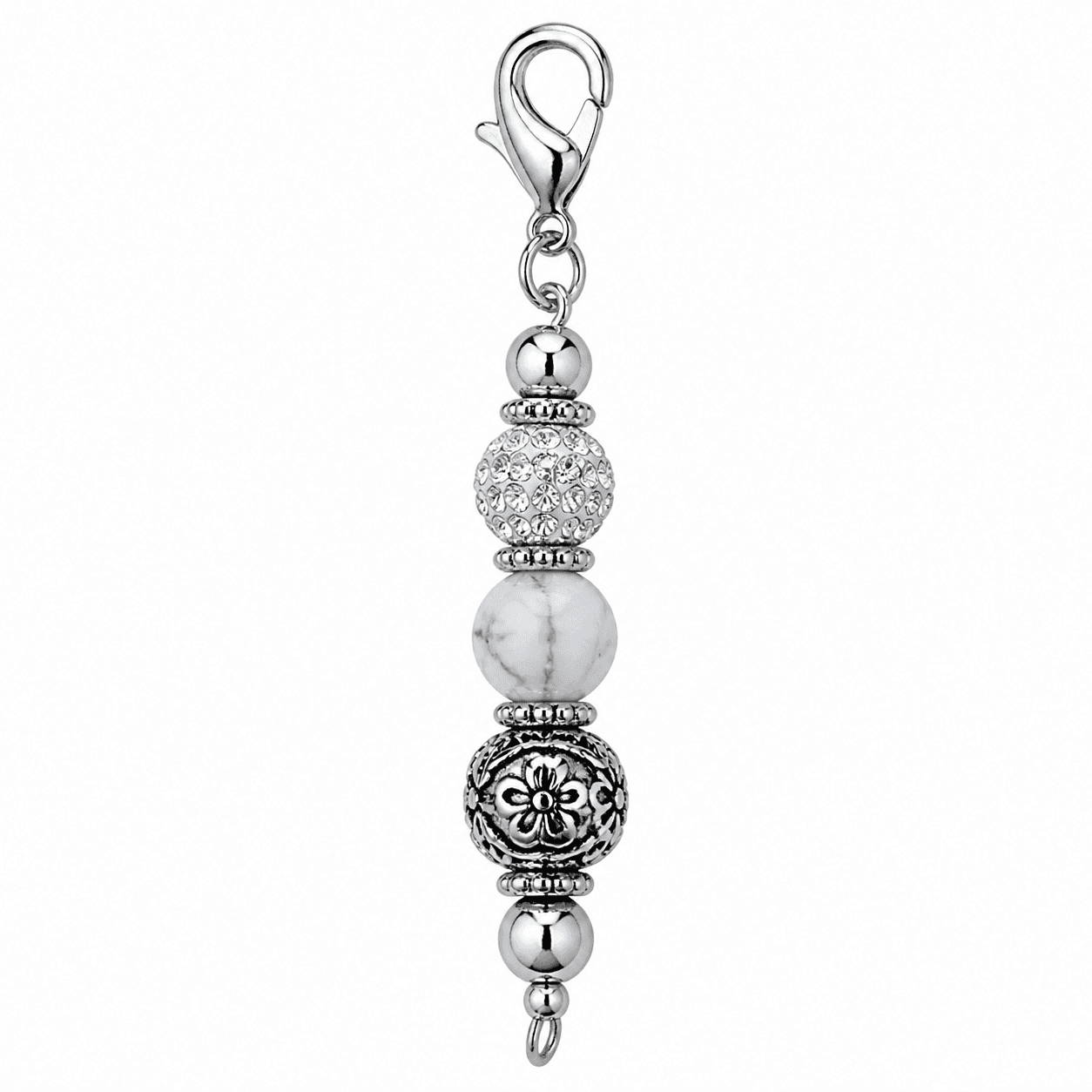
Bead textures add tactile nuance and light reflection, while shaping stress patterns. For 316L beaded car charms, geometry should balance aesthetic intent with structural durability. Subtle bead profiles reduce stress concentration, while bail and hole geometry ensure secure attachment to jumps rings, chains, or bag charms. Finishes—PVD plating in gold, rose gold, or silver, or a natural silver finish—should be chosen with adhesion, wear resistance, and environmental exposure in mind. 316L’s suitability for PVD processes supports multi-layer coatings, enabling private-label options without compromising performance. When evaluating finishes, track adhesion, thickness uniformity, and color stability across cycles of handling and cleaning to meet cross-market expectations.
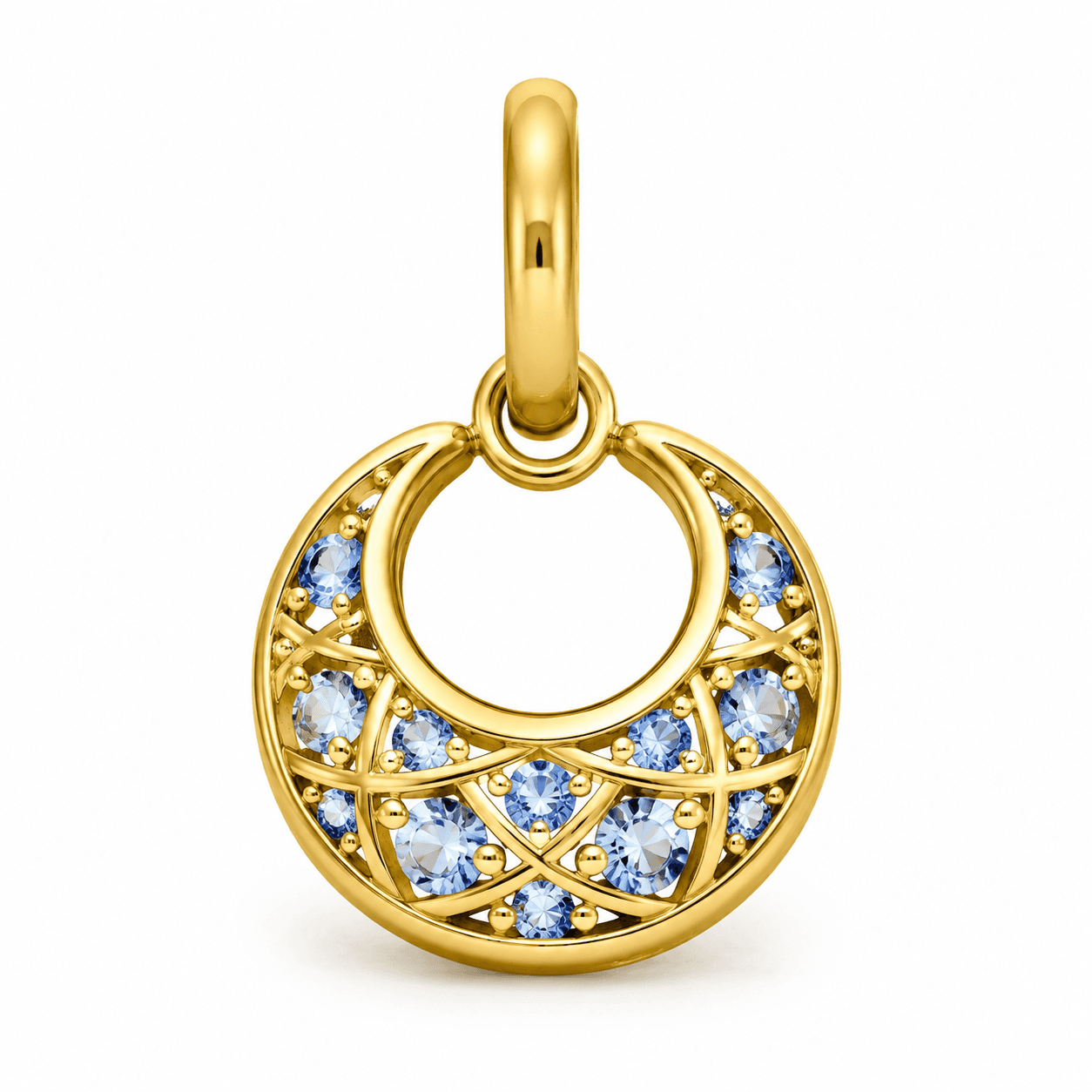
Color retention in enamel and crystal inlay applications is also guided by material science. Enamel filling requires a substrate that tolerates curing temperatures and does not crack under differential thermal effects between bead surfaces and enamel. With 316L, enamel agents can be selected for chemical compatibility, and crystal inlays can be seated with precise mechanical engagement to the bead geometry. These considerations matter for wholesale stainless steel charms destined for multi-region distribution, where environmental exposure—saline air, humidity, and consumer handling—varies by market.
Why It Matters: Certifications, Consistency, and Lead Times
Choosing 316L stainless steel as the base for car charms scales across regions and brands. The combination of material stability, process flexibility, and traceable quality makes it ideal for OEM/ODM engagements with boutique labels and private-label buyers. A robust RoHS/REACH footprint, including nickel-release data per EN1811 and salt spray endurance, provides clear, verifiable assurance to buyers seeking reliable supplier partners globally. These certifications support risk management, supplier qualification, and regulatory alignment in markets such as the US, EU, UK, AU, CA, and beyond.
Key benefits
- Consistent plating quality across production lots, reinforcing brand integrity in private-label programs.
- RoHS/REACH compliance evidence and nickel-release data support cross-market reviews.
- Low MOQ charm production enables iterative testing and faster sample development with minimal capital risk.
- Private-label packaging options and fast-turnaround prototyping shorten time-to-market for new collections.
- Transparent process controls and documented material data aid OEM/ODM collaboration and RFQ responses.
From a supply chain perspective, partnering with a modern facility equipped with CNC, laser processing, precision welding, and polishing reduces risk during lead-time planning and scale-up. A factory-direct relationship supports consistent tolerances, faster iterations, and a clear path from concept to production-ready samples. For private-label discussions, the OEM service page outlines how technical briefs translate into reproducible manufacturing plans, including private-label packaging and sample development milestones.
From Concept to Consistent Production: A Practical Roadmap
1) Define chemistry and baseline specifications
Start with a documented 316L specification, including targets for elements such as Cr, Ni, Mo, and a maximum carbon limit. Establish mechanical properties (hardness, tensile strength) and surface finish requirements. Gather material certificates (COC) and confirm compatibility with finishing processes such as PVD, enamel, and crystal inlay. Set acceptance criteria for plating thickness, adhesion, and color tolerance to support private-label programs. This documentation forms the backbone of RFQ responses and sample development plans.
2) Prototyping strategy and CAD-to-part workflow
Use CNC and laser processes to translate bead geometry into repeatable, manufacturable parts. Develop CAD models that include bail geometry, hole diameters, and channel depths for enamel or crystal fills. Consider a simple stress analysis to anticipate crack initiation points under typical handling. Ensure bail and hole areas tolerate standard jump rings and connectors without deformation under load. Early prototypes should emphasize consistency in bead spacing and surface finish to support downstream testing and client reviews.
3) Finishing options and enamel/crystal compatibility plan
Evaluate PVD plating options (gold, rose gold, silver) and enamel color filling as a combined finishing strategy. Target coating thickness that balances aesthetics with wear resistance, typically in a practical micron range for decorative stainless steel charms. Enamel curing temperatures and solvent compatibility should be aligned with the enamel system and substrate. Maintain a clear plan for enamel compatibility with 316L substrates to guide private-label selections and ensure consistent results across markets.
4) Crystal inlay and assembly considerations
Specify crystal sizes, seating depth, and bonding agents that are market-relevant stainless steel and the chosen enamel system. Ensure that any inserted crystals remain secure during wear and transport. Document torque or retention requirements for any set screws or plugs and validate attachment integrity through vibration and drop testing aligned with global shipping conditions.
5) Testing regime and QC checkpoints
Implement a tiered testing program that includes material verification (chemical composition, hardness), plating adhesion tests, and salt spray exposure. Nickel-release testing per EN1811 may be part of internal protocols, with SGS-certified data accompanying test reports to support RoHS/REACH qualification across regions. Inline inspections at stamping, finishing, and final assembly reduce rework, while traceable lot data and color-coded acceptance criteria speed RFQ responses and minimize disputes with private-label clients.
6) Lead times, samples, and private-label packaging
Lead times vary by complexity, but a structured sample development process typically includes design review, CAD-to-part, prototype builds, functional testing, and validation. A modern charm factory offers structured sample development milestones and private-label packaging options aligned with client expectations. For buyers prioritizing speed, emphasize low MOQ charm production and fast-turnaround samples to accelerate decision cycles. To start, explore the OEM service and request a formal RFQ through the available inquiry channels.
FAQ: Common Global Buyer Questions
Q1: What makes 316L stainless steel a reliable base for car charms?
A1: 316L provides strong corrosion resistance, good formability, and support for a broad range of finishes and enamel systems. Its low carbon content helps minimize carbide precipitation during welding or laser processing, maintaining structural integrity and a uniform surface for plating. This makes 316L a solid base for car charms intended for cross-market use where environmental exposure and handling vary widely.
Q2: What testing is performed for nickel release and salt spray?
A2: Nickel-release testing per EN1811 and salt spray testing per internal protocols that align with RoHS/REACH requirements are conducted. SGS-certified data accompany test reports, providing verifiable assurance for cross-market compliance. Documentation including test results and lot traceability is provided with samples and ongoing production lots.
Q3: What is the typical timeline from concept to first production-ready sample?
A3: Prototyping generally takes 2-6 weeks, followed by 2-4 weeks for sampling, testing, and validation. Once design approval is obtained, an agreed lead-time schedule for full-scale production is provided. Buyers pursuing private-label or OEM programs can leverage a structured sample development plan to align with product-launch calendars and RFQ deadlines via the OEM/ODM workflows.
Q4: Can private-label packaging and multiple finishing options be supported?
A4: Yes. Private-label packaging options and a range of finishes, including PVD plating and enamel fills, are available to support wholesale stainless steel charms and custom decorative charms programs. Packaging is designed to align with boutique branding while maintaining cost-efficient fulfillment for bulk orders.
Call to Action: Partner With Us
If you are a product developer seeking a reliable 316L stainless steel charms partner with OEM/ODM capabilities, private-label packaging options, and a proven track record in beaded car charm design, a professional charm factory is ready to collaborate. Our facility supports CNC, laser processing, and precision finishing, backed by robust quality controls. Explore how we can translate your concept into scalable production, with transparent pricing, low MOQs, and fast sample development. Partner with our OEM service to start a formal collaboration, or request a sample to evaluate performance firsthand. For direct inquiries and project scoping, contact our sales team today to discuss private-label or wholesale programs, including OEM/ODM solutions and bulk charm orders.