How to Source personalized stainless steel letter charms gifts
In the fast-evolving world of boutique jewelry brands, finding reliable partners to deliver personalized 316L stainless steel letter charms is essential. This sourcing guide is written for jewelry designers who seek practical, results-driven ways to evaluate suppliers, define customization options, and secure a smooth production path—from feasibility through final packaging. The guidance here reflects a global perspective, with a focus on OEM/ODM capabilities, private-label packaging, and scalable production processes that support low MOQ production without compromising quality.
At Lancy Jewelry, we specialize in 316L stainless steel charms for private-label buyers and boutique brands. Our modern facility features CNC, laser cutting, laser marking, welding, and polishing, backed by SGS certifications (RoHS, REACH, Nickel Release EN1811, Salt Spray 240H). This combination of capabilities and compliance ensures that your personalized letter charms meet both design intent and global regulatory standards. For designers seeking end-to-end support, we offer OEM/ODM development, logo engraving, enamel color filling, crystal inlay, and private-label packaging options. Learn more about our OEM Service and how we can support your next collection via Contact.
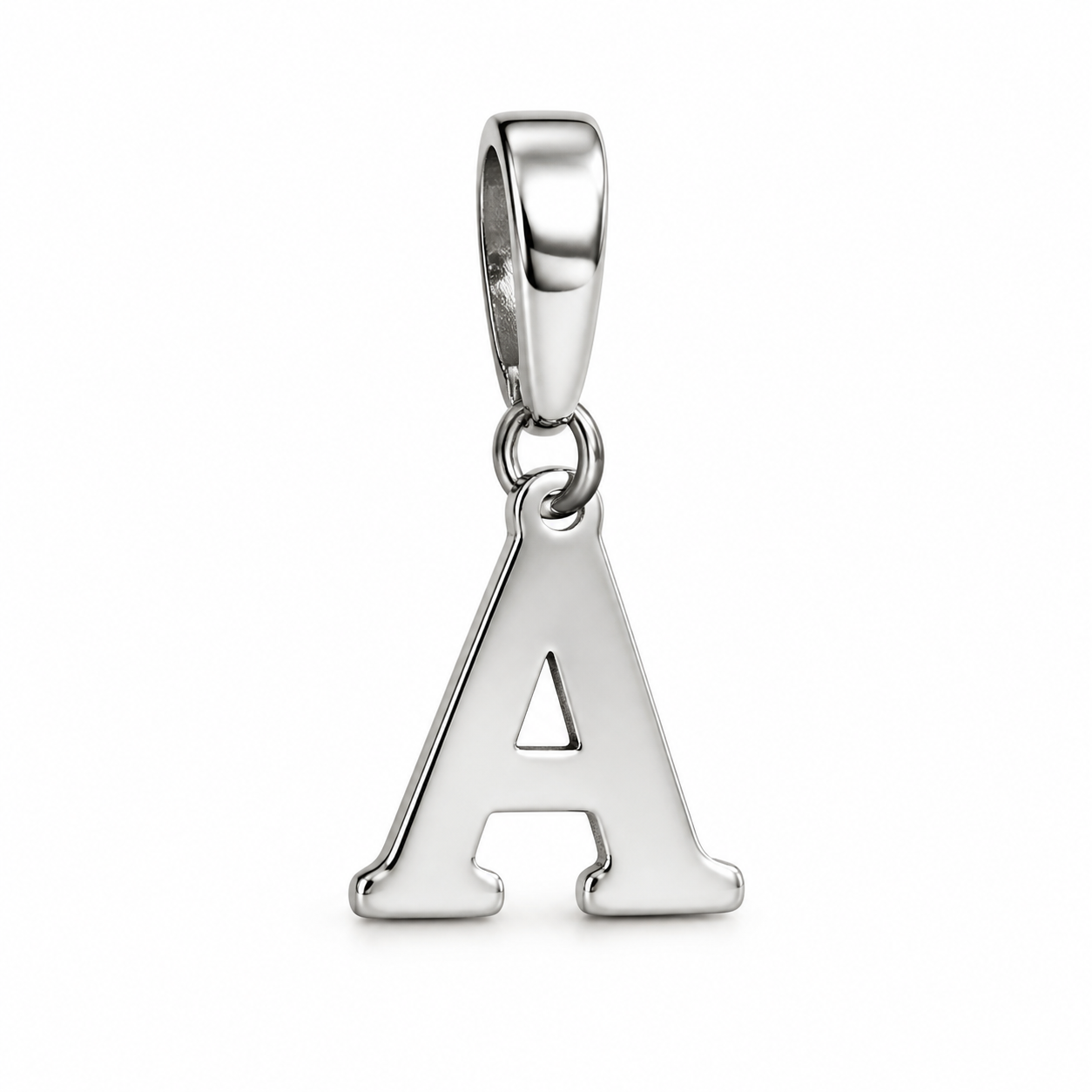
Main topic: How to Source personalized stainless steel letter charms gifts
1) Define your customization requirements and material choices
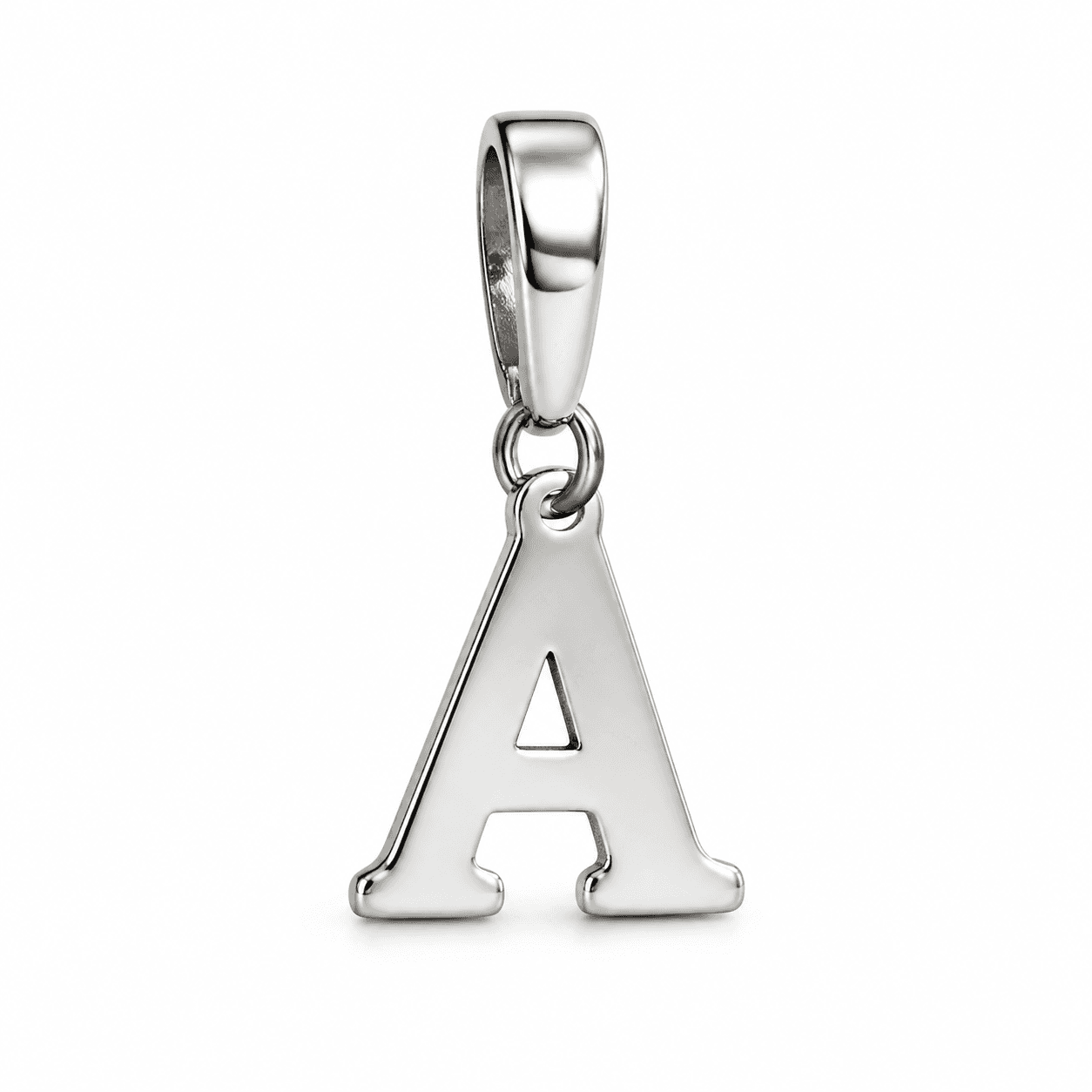
Begin with a precise design brief: letter-shape typography, size range, finish, and decorative options. For 316L stainless steel charms, you will typically choose from finishes like plain stainless, PVD gold plating, silver finish, or rose gold plating. Enamel fills and crystal inlays are common embellishments that elevate the charm’s perceived value without introducing base-material risk. As you define these details, keep a running checklist that includes: - Target finish and color (PVD plated stainless steel, enamel, crystal inlay) - Engraving/logo options (laser engraving, cosmetic engraving, or debossed marks) - Size range per application (8-18 mm for standard charms; up to 25 mm for statement pieces) - Packaging preference (private-label packaging, hang cards, or assorted gift packaging) - Compliance requirements ( SGS and other certifications for RoHS/REACH and Nickel Release) This stage is where OEM/ODM capabilities should be mapped to your design intent. A supplier with proven customization workflows can translate your sketches into production-ready drawings and a quoted lead time. For manufacturers like Lancy Jewelry, this includes accepting a logo engraving file, providing enamel color maps, and offering sample development under low MOQ terms to minimize upfront risk.
2) Evaluate supplier capabilities and technical fit
The right supplier should demonstrate a cohesive suite of manufacturing capabilities that align with your design goals. Key indicators include: - CNC, laser cutting, laser marking, welding, and polishing as core processes - Ability to produce 316L stainless steel charms with consistent plating quality (PVD options) and durable enamel/crystal fills - In-house testing and certifications (SGS RoHS, REACH, Nickel Release EN1811, Salt Spray 240H) to ensure regulatory compliance across global markets - Private-label packaging options and scalable MOQ approaches to support initial launches and subsequent line extensions - Clear, efficient RMA/quality-control processes for post-production support A strong partner will also offer sample development, enabling you to review a physical prototype before committing to bulk orders. This is critical for validating fit, finish, and branding alignment with your label identity.
3) Request samples and conduct a structured evaluation
Sample development is the most important risk-mitigation step in the sourcing process. A robust supplier response includes: - A sample timeline with milestones (quote, design approval, prototype, final sample, production start) - Transparent costing for samples, including any re-editing fees or engraving setup charges - Demonstrable control of material quality, plating thickness, and finish consistency across multiple samples - Realistic estimates for lead times and re-order cycles, factoring in any customization steps - Availability of packaging options for private-label orders, including protective coatings and branding inserts If the supplier can provide a fully finished sample with your logo, enamel color, and a mounted jump ring or bail that matches your intended assembly, you have a strong signal of production readiness. For designers seeking speed-to-market, it is common to pair a supplier like Lancy Jewelry with a private-label program that streamlines packaging and branding under a single contract.
4) Compare pricing, MOQs, and production scalability
Cost discussions should consider not only unit price but also MOQs, tooling costs, engraving setup, packaging, and downstream logistics. When comparing quotes, request a breakdown that includes: - Unit price per charm at various order quantities - Minimum order quantity (MOQ) and any tiered pricing by volume - Engraving/logo setup fees and any color-fill or crystal-inlay surcharges - Plating and finish options (PVD gold, silver, rose gold) and their impact on price and lead time - Private-label packaging costs and packaging lead times - Estimated lead times from sample approval to bulk production - Quality-control steps, warranty terms, and replacement policies A reliable supplier should offer transparent pricing aligned with your budget and product timeline. The goal is to secure a scalable program—one that can grow from an initial line of personalized letter charms to a broader collection of 316L stainless steel charms across multiple SKUs, while maintaining consistent plating quality and tolerances across batches.
5) Plan branding, packaging, and regulatory compliance for cross-market launches
Private-label packaging is a critical differentiator in a crowded market. Work with your supplier to define packaging formats, branding elements, and labeling requirements that resonate with retailers and end customers while meeting regulatory standards. The SGS-certified processes you rely on should be embedded in your supplier agreement, ensuring ongoing compliance for RoHS, REACH, and Nickel Release. In parallel, consider cross-market adjustments for labeling language, safety warnings, and country-specific packaging requirements. This is where a factory-direct partner can help you maintain consistent quality across markets while optimizing costs through bundled production runs.
6) Finalize terms and start production with confidence
Once you have a favorable sample, clear quotations, and a private-label packaging plan, finalize an agreement that captures: - OEM/ODM responsibilities and intellectual property protections - Private-label packaging specifications and branding rights - MOQs, lead times, and ramp-up plans for future SKUs - Quality-control protocols and acceptance criteria for initial production lots - After-sales support, replacement policies, and ongoing supplier performance reviews With a well-drafted agreement and a proven sample, you can move forward to bulk charm orders with confidence, backed by a partner committed to consistent plating quality and reliable delivery. If you’d like to explore a turnkey path, Lancy Jewelry offers an end-to-end approach: from concept and sample development through private-label packaging and global distribution readiness. Learn more about our OEM Service and how we support designers with low MOQ charm production and scalable private-label solutions.
Benefits/Why it matters for your business
Key benefits of choosing a capable 316L stainless steel charmt supplier
- Quality and regulatory confidence: SGS certified processes ensure RoHS, REACH, Nickel Release EN1811, and Salt Spray 240H compliance across all production lots.
- Customization at scale: OEM/ODM capabilities enable logo engraving, enamel fills, crystal inlays, and multiple plating options to match brand aesthetics.
- Private-label and packaging readiness: Private-label packaging reduces time-to-market and strengthens brand identity in wholesale channels.
- Low-risk prototyping: Sample development and low MOQ programs help you validate designs without tying up large upfront investments.
- Global production flexibility: Modern facilities with CNC, laser, and finishing tools support cross-market launches across US, EU, UK, AU, CA, DE, FR, SP, NE, RU and beyond.
Detailed analysis/Guide: Step-by-step for sourcing and evaluating suppliers
A) Build a design-to-manufacturing brief
Prepare a concise brief that covers design intent, target sizes, finishes, branding elements, and packaging expectations. Include reference sketches or digital renderings, any required tolerances, and a list of must-have features (logo engraving, enamel color mapping, crystal inlay). Include your target countries and regulatory considerations to ensure the supplier can support cross-border distribution. This brief will guide your RFP and help you triage suppliers quickly.
B) Shortlist suppliers with proven 316L stainless steel capabilities
Focus on suppliers who demonstrate 316L stainless steel charm manufacturing along with consistent plating quality and in-house finishing. Confirm their ability to perform PVD plating, enamel filling, and crystal setting, and verify their ability to support private-label packaging. Request a capability sheet and a portfolio of previous projects that illustrate the range of finishes and customization options. Ask about production flow, lead times, and the supplier’s approach to quality control across multiple SKUs.
C) Validate materials and finishes with in-house testing
Ask for material test reports or compliance certificates and confirm the plating thickness range, corrosion resistance (Salt Spray test outcomes), and nickel-release tests for skin-contact safety. If possible, request a small batch test run to assess finish uniformity, adhesion of enamel, and durability of crystal settings. Your aim is to confirm that the chosen partner can reliably reproduce your design across batches and over time.
D) Run a structured sampling program and pilot production
Execute a staged sampling plan: prototype through to final sample with branding and packaging in place. Evaluate fit with your chosen chains, jump rings, and clasps. Use the pilot production to validate tolerances, lead times, and packaging readiness. Track performance metrics such as plating consistency, enamel fill uniformity, and closure reliability of jump rings and bails. A successful pilot should translate into predictable, repeatable mass production that meets your MOQ targets and budgets.
E) Optimize cost through design-for-manufacture considerations
Engage in design-for-manufacture discussions to reduce tooling costs and improve yield. Consider standardized tooling for engraving, jigs for enamel filling, and modular packaging components to simplify private-label procurement. By collaborating early on, you can reduce risk, shorten cycle times, and keep costs predictable as your line expands.
F) Manage privacy, IP, and long-term supplier performance
Protect your designs and branding through clear IP language in supplier contracts. Establish performance dashboards and quarterly business reviews to monitor lead times, defect rates, and costs. A reliable partner will offer ongoing support for design evolutions, color expansions, and new symbol options while maintaining strict adherence to approved processes.
FAQ
Q1: What makes 316L stainless steel charmed gifts suitable for private-label programs?
A1: 316L stainless steel offers robust corrosion resistance, biocompatibility, and versatile finishing options such as PVD plating, enamel, and crystal inlays. For private-label programs, this combination enables durable, brandable charms that perform well in cross-market contexts, with scalable production and low MOQ options managed by proven OEM/ODM partners like Lancy Jewelry.
Q2: How long does it take to move from design to private-label production?
A2: Timelines vary by complexity, but a typical path includes design finalization, engraving setup, sample development, and a pilot run, followed by mass production. With a capable partner and a streamlined process, you can expect a pilot phase within 4-6 weeks after design approval, and full production ramp-up within 6-12 weeks depending on volume and packaging requirements.
Q3: What should I look for in a supplier’s sample development process?
A3: Look for clarity of communication, rapid response to design changes, and transparent cost structures for samples. The supplier should provide finished samples that include your logo engraving, enamel colors, and a mounted jump ring or bail to confirm compatibility with your assembly. A reliable supplier will also offer feedback on design feasibility and practical improvements for manufacturability.
Q4: How can I ensure global compliance across markets?
A4: Prioritize suppliers with SGS-certified processes and robust documentation of RoHS, REACH, Nickel Release, and Salt Spray testing. Ensure packaging and labeling meet regional requirements and that the supplier has an established plan for multi-market distribution, including logistics and import considerations. A factory-direct partner with global experience can simplify this process and provide ongoing compliance assurance.
Call to action: Partner with us
If you are seeking a reliable, factory-direct partner for personalized 316L stainless steel letter charms, Lancy Jewelry offers OEM/ODM capabilities, sample development programs, and private-label packaging that align with boutique-brand strategies. Our modern facility, CNC and laser capabilities, and SGS-certified processes are designed to support your global launches with consistent plating quality and scalable MOQs. Let’s start with a needs assessment and a formal RFQ to explore options for your next collection. Reach out through Contact or visit our OEM Service page to begin the collaboration. If you are ready to browse ready-to-ship options, our shopfront catalog is accessible via All Products for inspiration and design benchmarks.