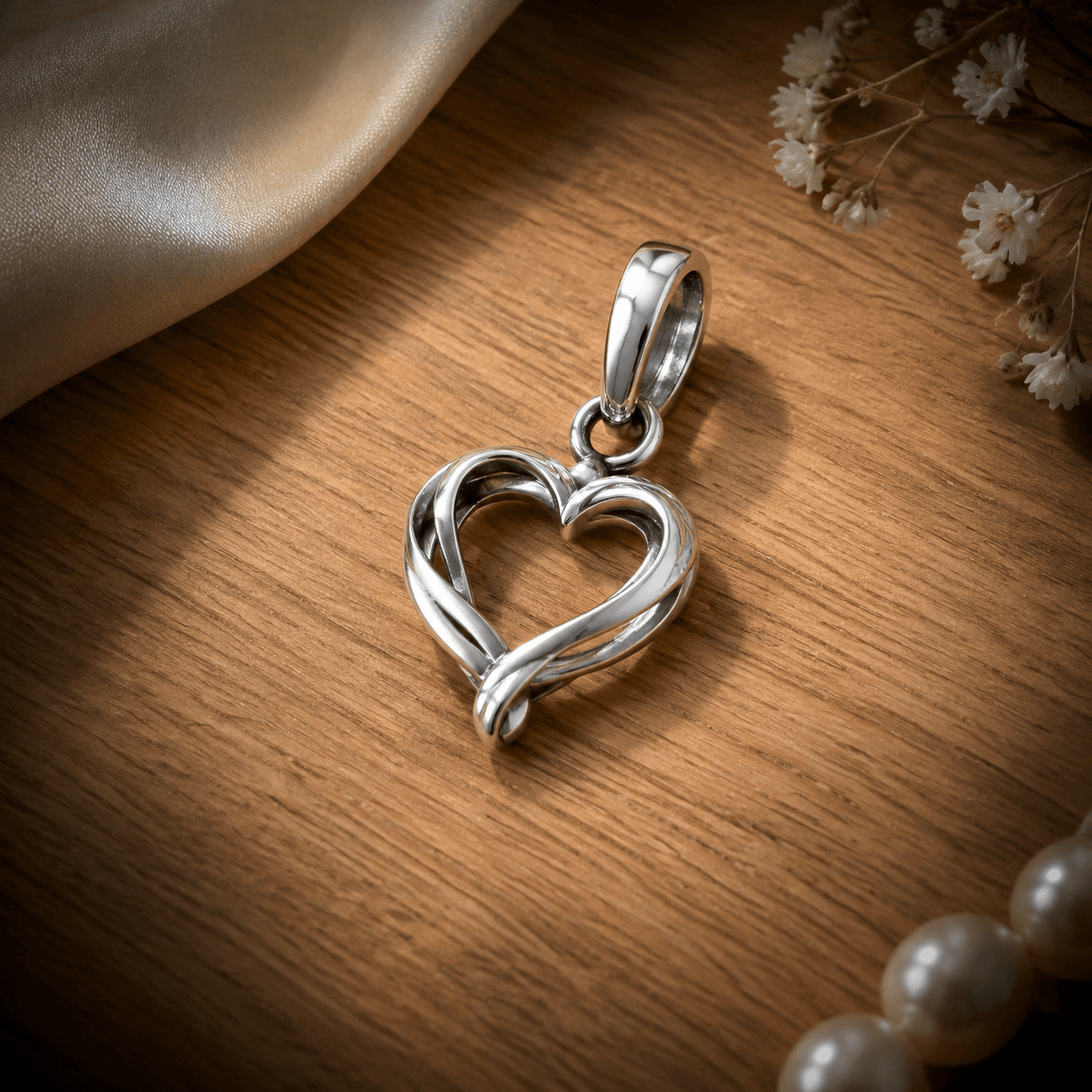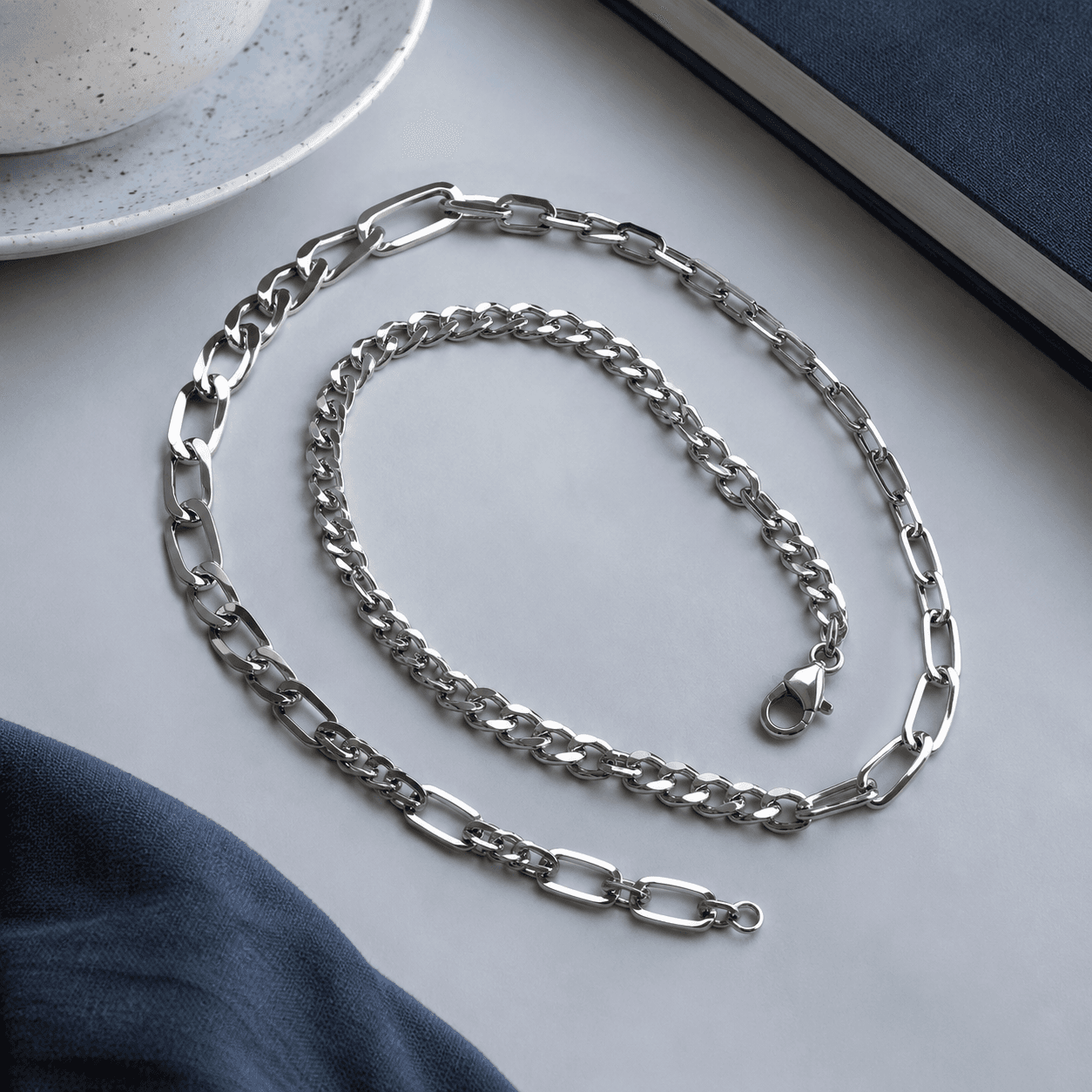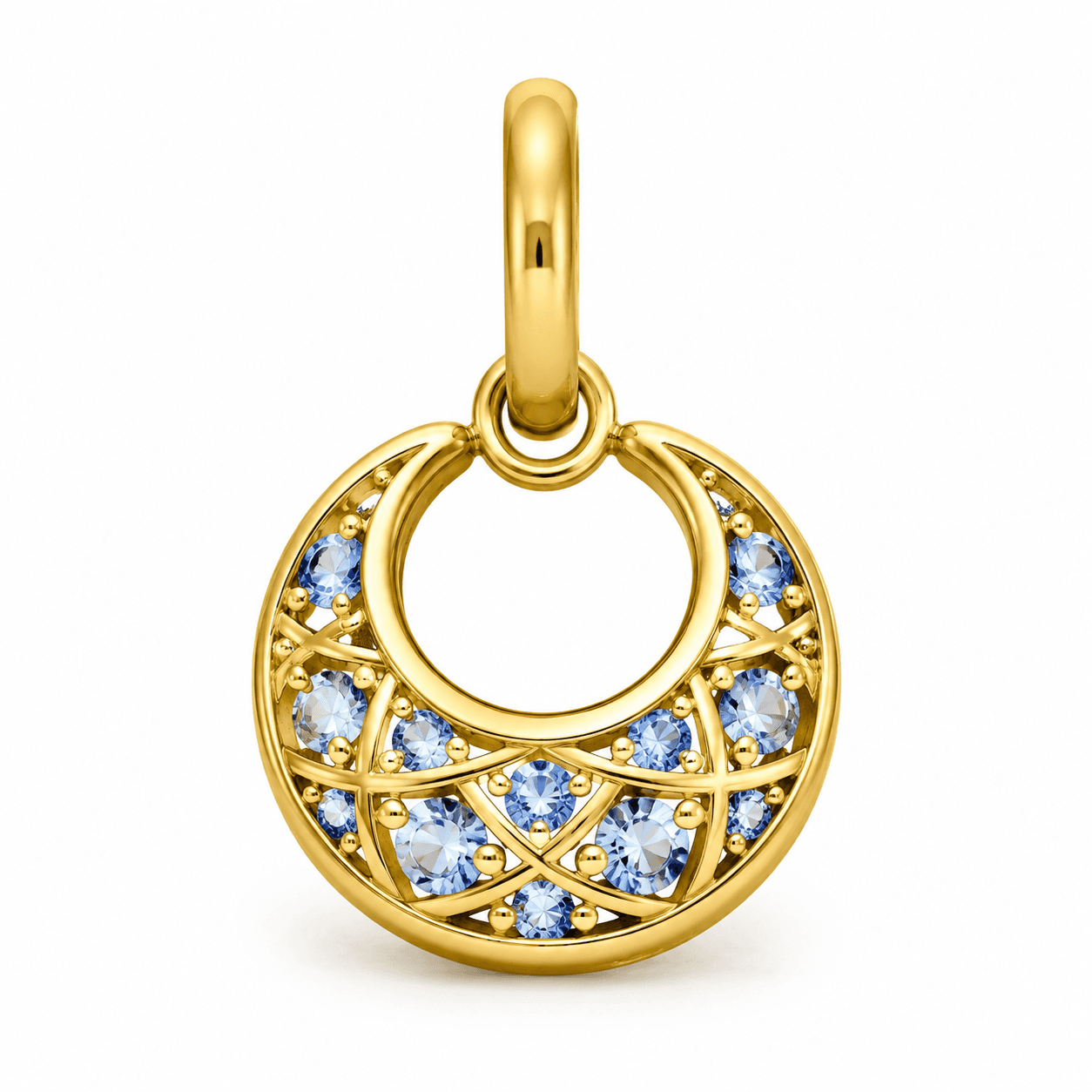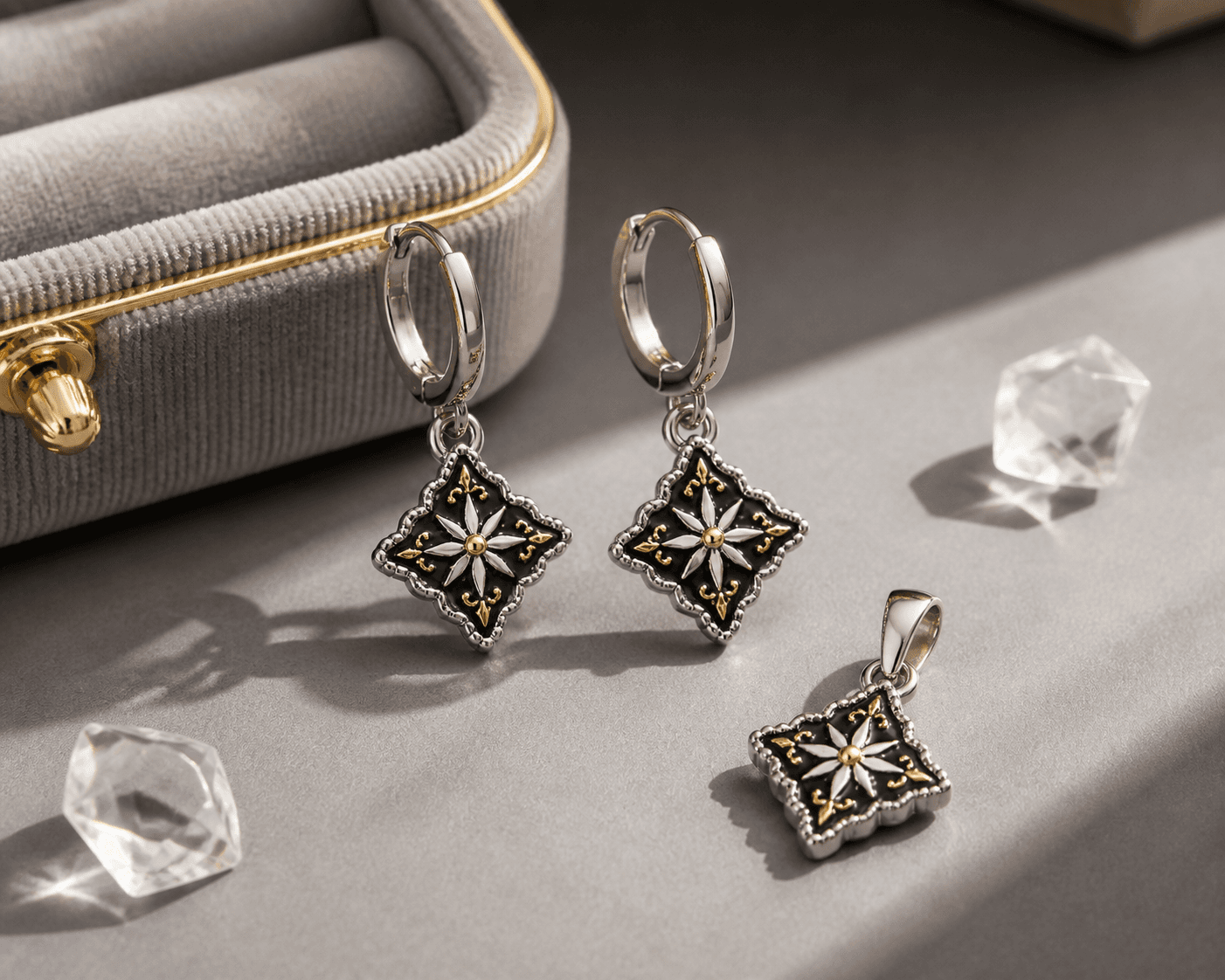
stainless steel vintage enamel charms
For jewelry brands pursuing private-label programs and boutique lines, 316L stainless steel vintage enamel charms provide a robust base with predictable finishes and flexible customization. As a dedicated stainless steel charms manufacturer, Lancy Jewelry blends material science with factory-direct capabilities. This technical overview outlines how alloy chemistry, enamel filling, and finishing controls intersect to deliver boutique-grade results across OEM and ODM programs.
At the core, Lancy operates a modern facility with CNC machining, laser processing, welding, and meticulous polishing. The combination of corrosion-resistant substrate and precise finishing empowers designers to realize vintage-inspired motifs with repeatable performance. Our SGS-certified processes (RoHS, REACH, EN1811 nickel release, Salt Spray 240H) support global distribution and private-label packaging, sample development, and bulk orders across multiple markets.
When designers assess vintage enamel charm viability, the focus turns to material chemistry, finish choices, and manufacturing fit. This article presents a structured view of 316L stainless steel charms with enamel fills, highlighting how alloy composition, enamel chemistry, and surface treatments yield boutique-ready outcomes across markets.
To keep this practical for OEM/ODM collaborations, explicit references to customization options, low MOQ charm production, sample development cycles, and alignment with sourcing timelines are included. For hands-on exploration of Lancy’s capabilities, visit our OEM service and Request a Quote, or contact us via Contact.
stainless steel vintage enamel charms
316L stainless steel serves as the baseline material for Lancy’s charms. The “316L” designation indicates a low-carbon stainless steel variant with excellent corrosion resistance, formability, and weldability—critical properties for intricate charm designs and reliable plating. The alloy contains chromium, nickel, and molybdenum in balanced proportions. The presence of molybdenum enhances pitting resistance in chloride-rich environments, which is especially relevant for giftware and fashion accessories exposed to sweat, humidity, or cosmetic contact during wear.
From a chemistry perspective, the 316L matrix provides a stable substrate for decorative finishes such as PVD plating and enamel fills. The nickel content contributes to strength and hardness while supporting uniform adhesion of subsequent coatings. The low carbon specification improves weldability and minimizes sensitization, which supports reliable joining during laser engraving or welding of small components such as bail loops or jump rings that accompany a charm in a collection.
In practice, the chemistry translates to predictable behavior during finishing steps. The base metal’s clean, oxide-forming surface benefits from controlled pre-treatment steps that prepare it for PVD plating or enamel attachment. This predictability underpins boutique-grade consistency across production batches and private-label runs, ensuring design language remains stable from first sample through mass production.
alloy composition and microstructure
The microstructure of 316L stainless steel is austenitic, which remains ductile and workable at room temperature and during cold-working operations. This quality supports fine detailing in small charms and the high-precision engraving often required for custom logos or corporate marks. The steel’s corrosion resistance derives from a chromium-rich passive film that forms spontaneously when the surface is exposed to oxygen. When paired with PVD plating or enamel fills, this corrosion resistance is preserved, contributing to color stability and minimal flaking on wear scenarios.
For designers, the practical implication is straightforward: the same base material supports a wide range of finishes, enabling consistent color, brightness, and wear resistance across collections. This is especially valuable for boutique programs seeking a cohesive line across markets—US, EU, UK, AU, CA, DE, FR, SP, NE, RU—where climate and humidity variations can challenge some base materials. By standardizing on 316L, Lancy minimizes material-driven variance and focuses on the finesse of enamel and plating processes.
material testing and compliance
In our operations, SGS certifications for RoHS, REACH, EN1811 nickel release, and Salt Spray 240H are not mere records; they are operational guardrails. These certifications influence every step from initial alloy purchase to final packaging, guiding decisions on material suppliers, pre-treatment chemistry, and coating thickness. For designers with global distribution goals, these certifications translate to reliable acceptance in foreign markets and fewer regulatory hurdles at distribution centers. The result is a more predictable supply chain for private-label programs and wholesale registrations across diverse geographies.
stainless steel vintage enamel charms
enamel and finishing options for vintage aesthetics
Enamel fills add color and tactile depth to 316L stainless steel charms, delivering the vintage look many designers seek. Enamel can be applied in recessed areas of the charm to create smooth color blocks or inlaid patterns that align with engraving or laser-marked details. In Lancy’s workflows, enamel fills are typically paired with careful masking and curing steps to ensure color integrity and long-term resistance to chipping. The enamel process supports a range of palette schemes, including opaque, translucent, and translucent-to-opaque gradients that evoke vintage tones.
PVD plating, including gold, silver, and rose gold finishes, complements enamel by providing a high-luster metal backdrop that resists tarnish and maintains color brightness. PVD is a vacuum-based process that deposits a hard, uniform coating onto the 316L substrate. The result is a durable, wear-resistant surface that protects enamel edges and keeps metallic colors vibrant under repeated handling in boutique environments or charm bar programs.
From a materials science standpoint, the adhesion of the coating to 316L stainless steel is influenced by surface cleanliness, roughness, and the interfacial chemistry between the coating and substrate. Lancy’s pre-treatment protocols promote robust adhesion while preserving enamel recesses. This is essential for maintaining clean silhouettes and protecting the aesthetic of small motifs during assembly and wear.
enamel-to-metal adhesion and color stability
Color stability depends on enamel firing temperatures, particle dispersion, and the ultimate compatibility of the enamel with the underlying metal. For 316L substrates, enamel systems are selected to avoid crazing or cracking under typical wear. Colorfastness is tested through humidity and UV exposure cycles, ensuring vintage tones retain their shade across private-label runs and distribution networks.
stainless steel vintage enamel charms
design, customization, and manufacturing considerations
Customization is where OEM charms manufacturer capabilities shine. Lancy’s private-label packaging options, logo engraving, and sample development programs enable designers to translate concepts into production-ready parts with minimal risk. The interplay between 316L chemistry, enamel selection, and finishing options yields a broad design space: from muted antique whites to bold jewel tones, from subtle color inlays to high-contrast graphic motifs. The production approach is modular, enabling designers to request finishes (PVD gold plating, silver finish, rose gold plating) while maintaining tight process control across batches.
In practice, the design-to-production workflow looks like this: initial concept and sketches, material and finish assessments, sample development with a private-label package, and a staged ramp to low MOQs that scale to wholesale or mass customization. The low MOQ capability is valuable for boutique brands launching limited editions or seasonal collections without carrying excessive initial inventory. The next step is translating artwork into engraved logos, enamel patterns, or crystal inlays if required, with a QC protocol aligned to SGS standards to ensure uniform plating thickness, enamel fill quality, and color consistency across lots.
customization options at a glance
- Logo engraving and mark placement on 316L stainless steel charms
- PVD plating options: gold, rose gold, silver finish
- Enamel color filling in opaque or translucent patterns
- Crystal inlays for accented detail
- Private-label packaging and branding for boutique programs
- Sample development cycles to validate design before mass production
stainless steel vintage enamel charms
practical design considerations for global markets
Cross-market appeal requires attention to color preferences, durability, and regulatory considerations across regions. 316L stainless steel provides a consistent base that performs well in humid environments and under daily handling, while enamel and PVD finishes offer versatile aesthetics aligned with boutique branding. Designers should accommodate differences in consumer preferences—some markets favor warmer tones like rose gold, while others prefer cooler silver finishes. The enamel palette should be chosen with lighting conditions in mind; colors may appear differently under warm gallery lighting versus daylight retail settings.
From a sourcing perspective, the ability to produce private-label charms with consistent finishes across campaigns reduces time-to-market. Lancy’s factory capabilities, including CNC, laser cutting, laser marking, welding, and polishing, support rapid prototyping and iterative refinements without sacrificing production efficiency. For designers pursuing global distribution, this translates into reliable lead times, predictable batch quality, and a flexible path from concept to market.
stainless steel vintage enamel charms
certification, quality, and operational reliability
Quality assurance is a cornerstone of Lancy’s value proposition. The SGS-certified RoHS, REACH, EN1811 nickel release, and Salt Spray 240H programs ensure that material handling, finishing, and packaging meet rigorous global standards. This footprint matters for designers who plan to scale private-label programs and participate in cross-border wholesale channels. With standardized testing in place, designers can confidently place orders for low MOQs, knowing that each batch adheres to consistent material safety and performance criteria.
Operational reliability also hinges on process discipline: pre-treatment cleanliness, controlled enamel curing conditions, precise plating thickness, and strict color matching. The integration of CNC precision and laser-based engraving supports complex logo-driven designs, while reliable packaging solutions protect finishes during transit. The result is a compact, end-to-end workflow that minimizes rework and accelerates time-to-market for private-label and bulk orders.
FAQ
-
What is 316L stainless steel, and why is it suitable for vintage enamel charms?
316L stainless steel is a low-carbon austenitic stainless steel with high corrosion resistance and good formability. Its stable microstructure supports fine engraving, enamel adhesion, and durable coatings, making it ideal for vintage enamel charm designs intended for global distribution.
-
Can enamel be used with PVD plating on 316L charms?
Yes. Enamel fills are applied in recessed areas and cured under controlled conditions before or after plating, depending on the design. PVD plating provides a durable, uniform surface that enhances color brilliance and protects enamel edges. Carefully sequenced pre-treatment and masking techniques ensure the coating adheres well to the 316L substrate and remains resistant to chipping or delamination over time.
-
What is the typical MOQ for private-label charm programs?
Low MOQ charm production is a core capability for OEM/ODM collaborations. While exact minimums depend on design complexity, finishes, and packaging requirements, Lancy emphasizes flexibility to support private-label launches and pilot runs. For designers exploring new lines, this enables rapid testing of concepts with minimal upfront risk, followed by scale-up for wholesale or full private-label deployments.
-
How does Lancy ensure plating consistency across batches?
Consistency is achieved through controlled pre-treatment, standardized PVD processes, and rigorous QA checks aligned with SGS certification. In-process checks monitor coating thickness, color uniformity, and adhesion, while post-process tests verify wear resistance and color stability under typical wear conditions. This disciplined approach helps sustain boutique-grade finishes across mass productions and private-label runs.
Call to action: Partner With Us
If you are a jewelry designer seeking a reliable 316L stainless steel charms manufacturer to support private-label programs, OEM/ODM development, and low MOQs with consistent plating quality, we invite you to connect with Lancy Jewelry. Our team can guide you through logo engraving, enamel color selection, and private-label packaging options, ensuring a seamless path from concept to market. Explore our OEM service for customized manufacturing, submit an RFQ or request a quote via Request a Quote, or discuss project details with our sales team through Contact.
For ongoing inspiration or product exploration, you can also browse our broader stainless steel charm collections at Chains and other categories to understand how 316L charm bases integrate with complementary components. When you partner with Lancy, you benefit from a factory-direct supply chain, rigorous quality control, and a ready-made framework for worldwide distribution across the US, EU, UK, AU, CA, DE, FR, SP, NE, and RU markets.